

Hamster now budget
Buying a hamster is the easy part. The real cost comes from the habitat setup, which can easily exceed the price of the animal itself. A proper cage, bedding, and wheel are non-negotiable for a healthy dwarf or long-haired hamster. Expect to spend between $100 and $200 for a starter kit that meets basic welfare standards.
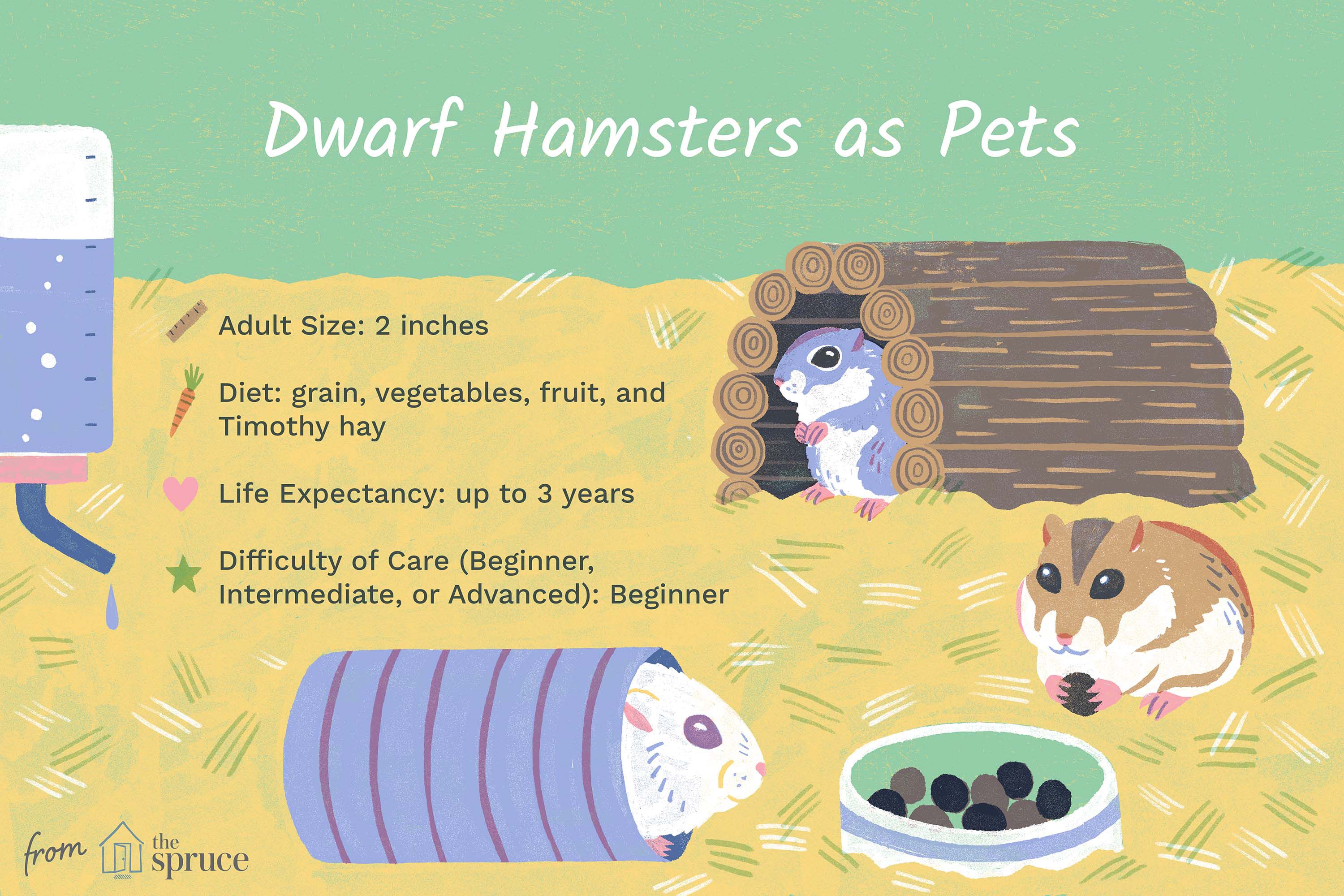
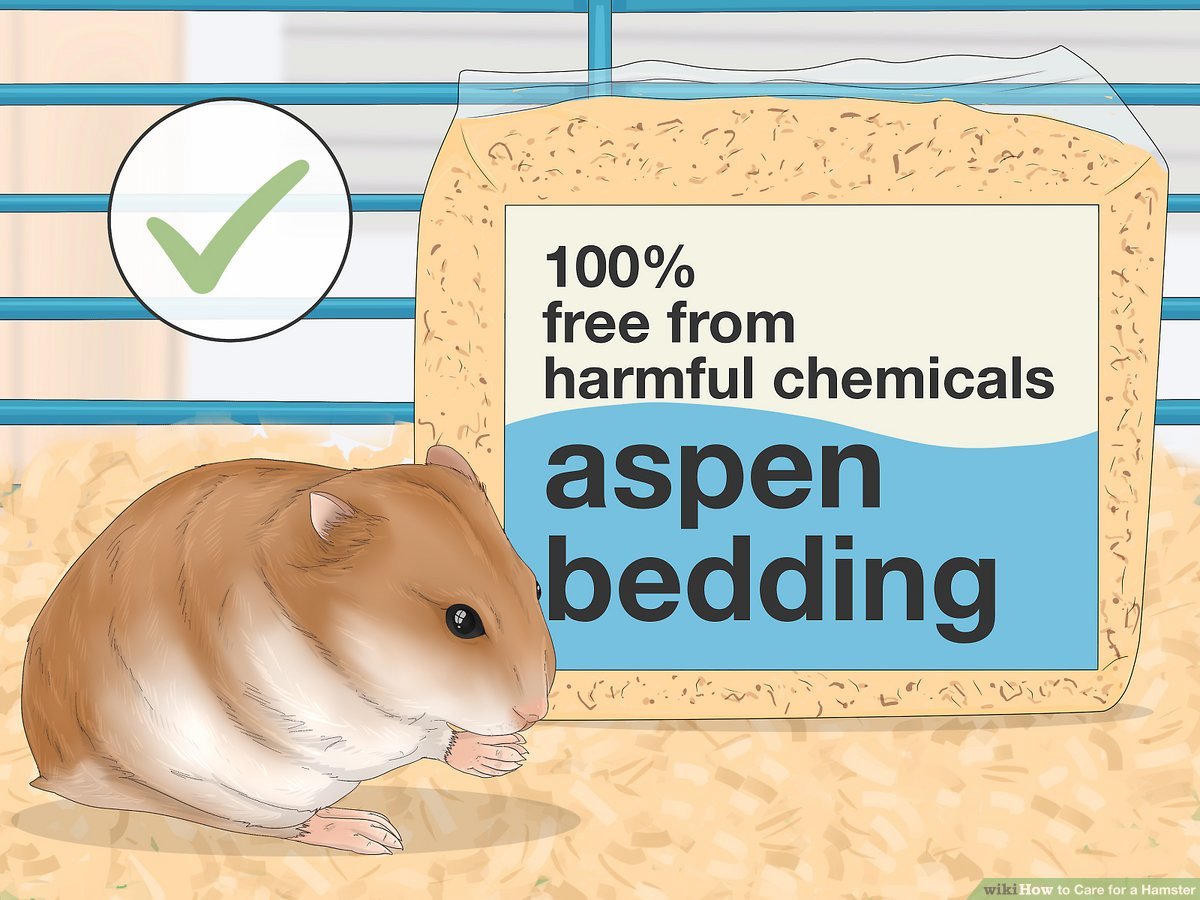
The initial investment covers the cage, a solid exercise wheel, hiding spots, and a few months of bedding. However, you must also budget for ongoing costs like high-quality pellets, fresh vegetables, and occasional vet visits. Hamsters are short-lived, typically living two to three years, so the long-term cost is lower than a dog or cat, but the upfront setup is significant.
When shopping, avoid cheap "starter kits" from big-box stores. These often include small cages that are too cramped and plastic wheels that are too noisy. Invest in a large glass tank or a spacious wire cage with a solid floor. The extra money upfront saves you from replacing inadequate gear later.


As an Amazon Associate, we may earn from qualifying purchases.
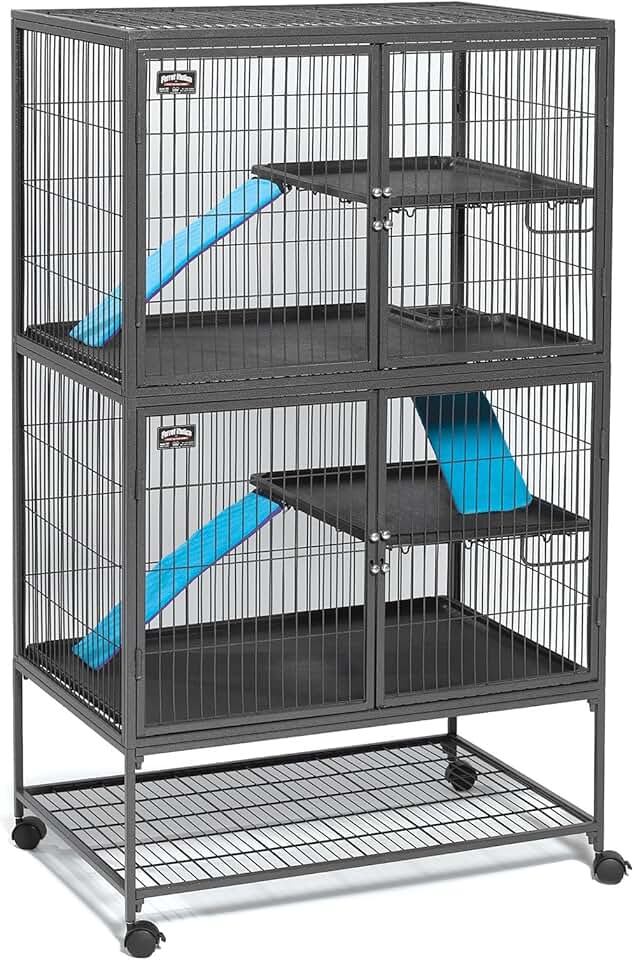
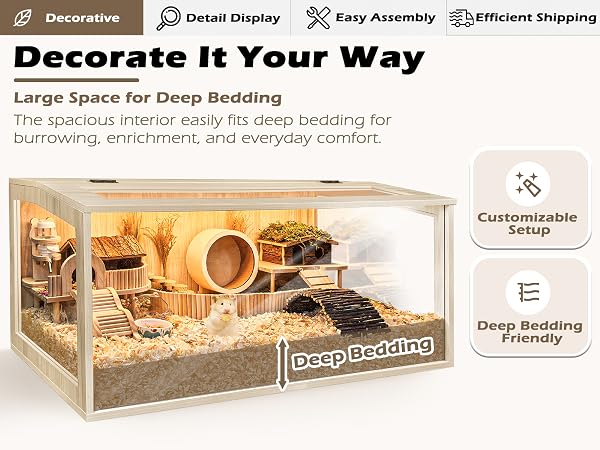
Think of the cage as the hamster's entire world. It needs enough floor space to run and burrow. A small plastic bin is not enough. Look for cages with a minimum of 450 square inches of floor space. This ensures your pet has room to explore and stay active.
Shortlist real options
Choosing the right cage depends on your hamster’s breed and your available floor space. Dwarf hamsters need ample horizontal running room, while Syrian hamsters require vertical height for climbing and burrowing. The following comparison highlights four reliable starter cages that balance safety, ventilation, and ease of cleaning.
| Model | Type | Footprint | Best For |
|---|---|---|---|
| Ferret Nation Small | Wire Grid | 18"x | Syrian Hamsters |
| Kaytee CritterTrail | Plastic Tub | 12"x | Dwarf Hamsters |
| Prevue Hendryx Pet Home | Wire Grid | 24"x | Small Breeds |
| Ware Hamster Habitat | Plastic Tub | 15"x | Budget Setup |
Wire grid cages like the Ferret Nation offer superior ventilation and visibility, but you must ensure the bar spacing is narrow enough (less than half an inch) to prevent escapes. Plastic tub habitats, such as the Kaytee CritterTrail, provide a secure, draft-free environment that retains bedding depth for burrowing, though they require more frequent wiping to manage odors.
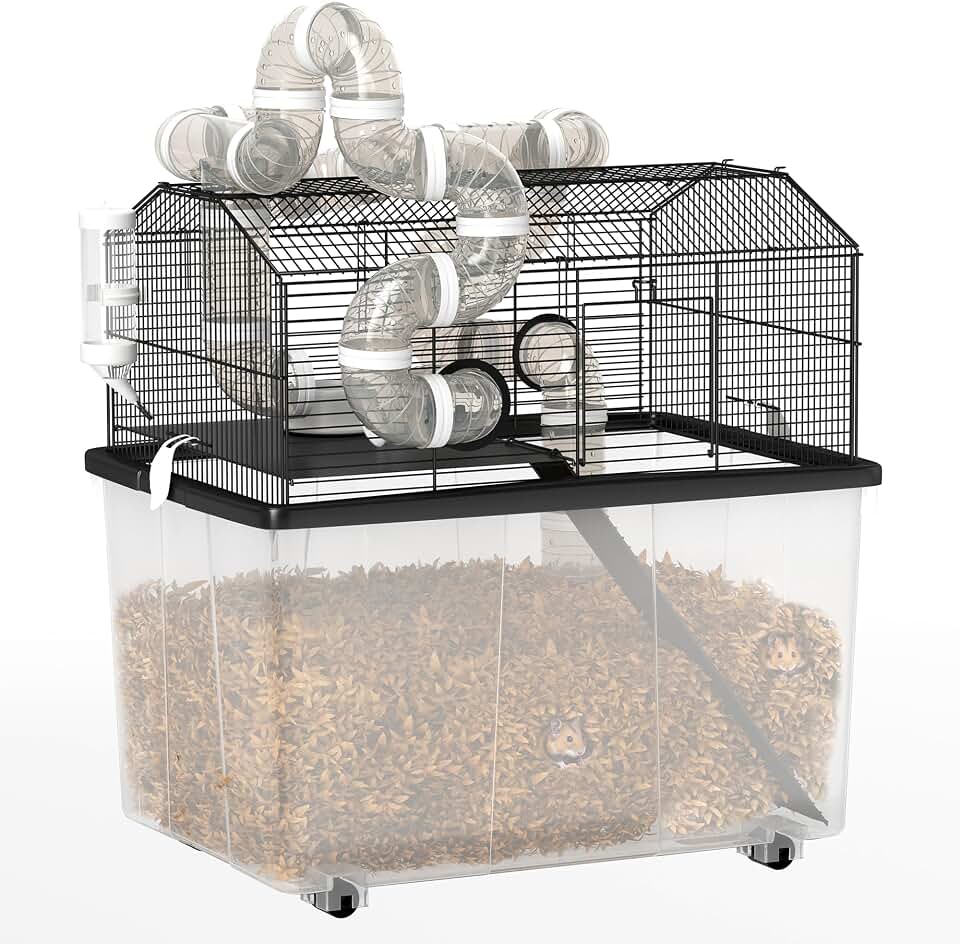
When evaluating these options, look for smooth plastic surfaces without sharp edges and secure latches that hamsters cannot manipulate. Avoid cages with wide bar spacing or complex tube systems that can trap small limbs. The goal is a simple, spacious enclosure that allows for natural behaviors like running and digging without unnecessary complexity.
Inspect the expensive parts
Hamster Care works best as a clear sequence: define the constraint, compare the realistic options, test the tradeoff, and choose the path with the fewest hidden costs. That order keeps the advice usable instead of decorative. After each step, pause long enough to check whether the recommendation still fits the reader's actual situation. If it depends on perfect timing, unusual access, or a best-case budget, include a simpler fallback.

Plan for ownership costs
Buying the hamster is the smallest line item in your budget. The real cost comes from the cage, bedding, and food you need to keep it alive and healthy. A cheap cage often breaks or leaks, turning a $20 purchase into a $100 replacement plus vet bills for respiratory issues caused by poor ventilation.
Think of the cage as your hamster’s house. You wouldn’t buy a cardboard box for a human; don’t do it for a dwarf or long-haired hamster. You need a secure, well-ventilated enclosure with a solid floor. Wire bottoms cause foot injuries, and tiny travel carriers are not homes—they are temporary transport. Budget for a proper habitat from day one.

As an Amazon Associate, we may earn from qualifying purchases.
Maintenance surprises add up. Bedding needs weekly spot-cleaning and a full change every two weeks. Food lasts months, but toys and wheels wear out. If you buy the cheapest food, you’ll pay more in vet bills for dental and nutritional problems. Set aside $20–$30 monthly for consumables after the initial setup.
Hamster now: what to check next
You just brought home a new dwarf or long-haired hamster, and the questions start immediately. How much did that cost? How long will they live? Do they need a litter box? Here are the practical answers to the most common "hamster now" queries.
No comments yet. Be the first to share your thoughts!