


5 Best Dwarf Hamster Cages & Care Essentials
Your dwarf hamster needs immediate access to a spacious, secure environment to thrive from day one. We’ve curated five specific cage models and essential care items that meet minimum size requirements and safety standards, ensuring you can set up a proper habitat without delay.
1. Best large plastic bin cage setup
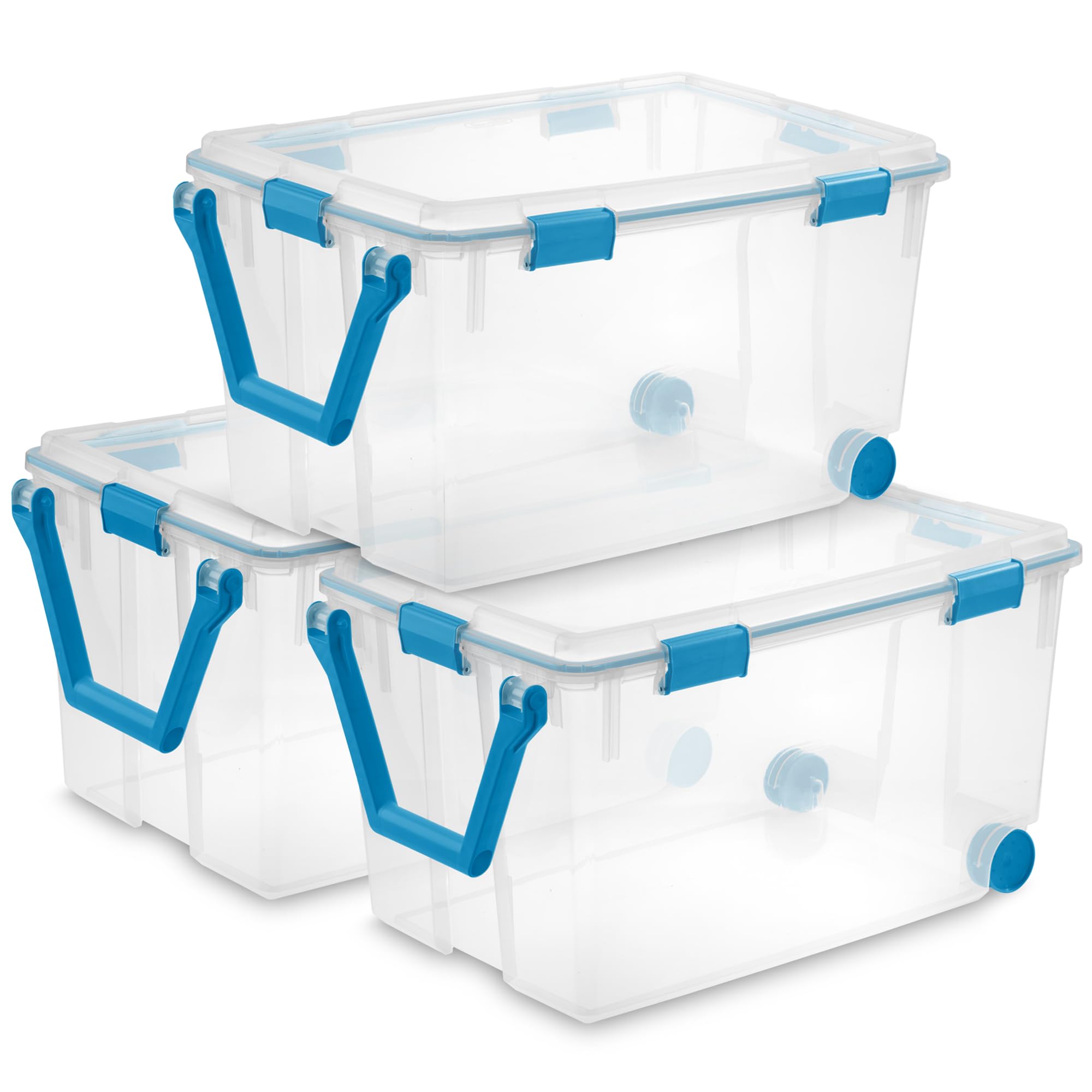
A double-decker bin cage offers a spacious, chew-proof home for dwarf hamsters without the high cost of commercial options. The image shows a DIY bin cage with double-deckering, maximizing vertical space for running and exploring. Ensure the bins are at least 40 gallons total to meet minimum space requirements. This setup provides excellent ventilation and easy cleaning, making it a practical choice for budget-conscious owners who prioritize floor space and safety.
2. Best glass tank or terrarium setup
Glass tanks provide a secure, escape-proof environment with clear visibility, though ventilation requires careful modification. The image displays a 10-gallon high-rise terrarium setup, ideal for smaller dwarf hamsters needing a contained space. While glass retains heat well, ensure adequate airflow to prevent humidity buildup. This setup is perfect for owners who want a clean, aesthetic display while maintaining strict control over the hamster’s immediate environment and safety.

3. Best commercial cage with multi-level design
Commercial multi-level cages offer structured enrichment with ramps and platforms, but ensure the levels are safe for tiny dwarf hamsters. Look for cages with small mesh sizes to prevent escapes and injuries. These setups often include built-in wheels and hideouts, reducing the need for additional accessories. Prioritize models with wide, easy-to-clean trays and secure locking mechanisms to keep your active dwarf hamster contained and entertained within a compact footprint.

4. Essential accessories for dwarf hamsters
Beyond the cage, essential accessories include a solid-surface exercise wheel, a ceramic food bowl, and durable chew toys. The image highlights key care items, emphasizing that seasonal needs like heat sources may also be crucial. A wheel with a diameter of at least 8 inches prevents back arching, while ceramic bowls avoid tipping. These items support physical health and dental wear, ensuring your hamster stays active and mentally stimulated in its new home.
5. Best bedding options for dwarf hamsters
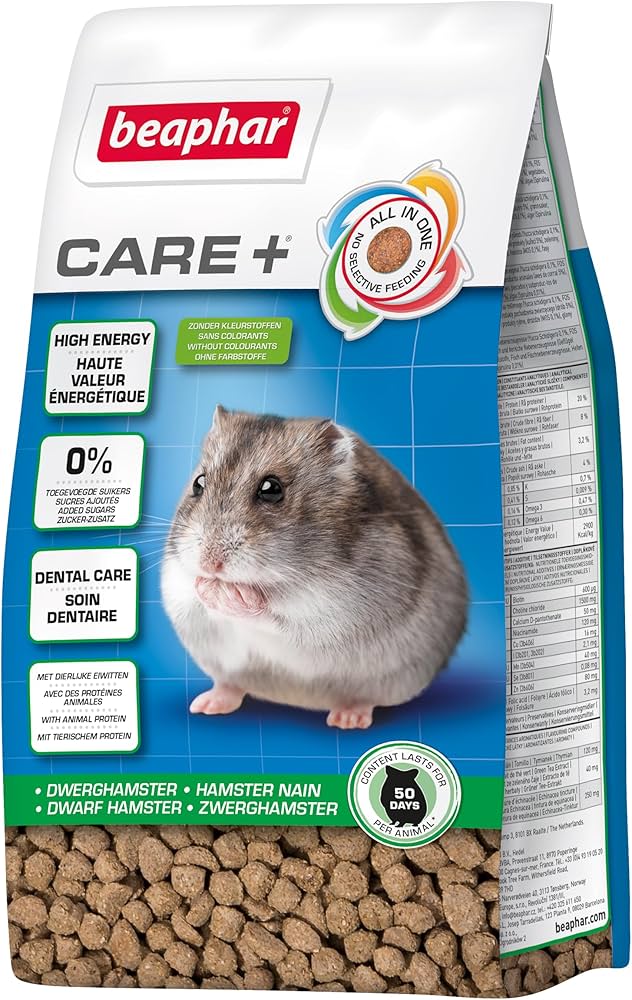
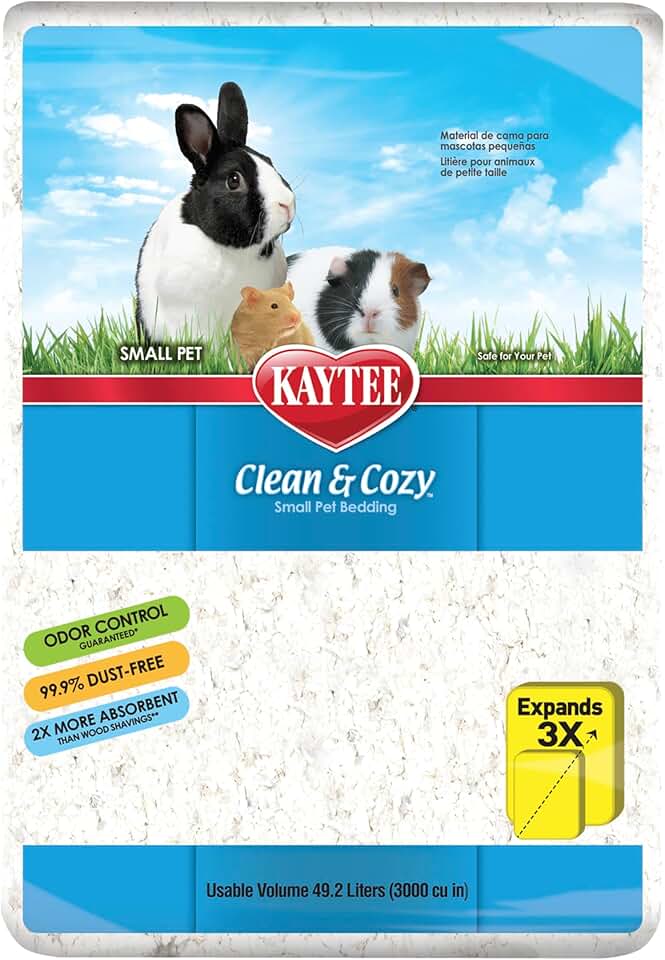
Proper bedding is critical for burrowing and absorbing waste, with paper-based or aspen shavings being the safest choices. The image shows a Russian Dwarf Hamster, highlighting the need for soft, dust-free materials to protect their sensitive respiratory systems. Avoid cedar or pine shavings, which contain harmful phenols. Choose thick, absorbent bedding to maintain hygiene and allow natural burrowing behaviors, ensuring a comfortable and healthy living environment for your small pet.
Setting up the right habitat
The first step in hamster care is securing a proper environment. Dwarf hamsters are active, nocturnal rodents that require specific conditions to thrive. The most critical factor is floor space; a general rule of thumb is at least 450 square inches of continuous, unbroken floor area. This requirement is not arbitrary—confinement in small cages causes significant stress and can shorten their lifespan, which typically ranges from two to three years.
Temperature control is equally vital. Hamsters are sensitive to heat and can suffer from heatstroke if their environment exceeds 75 degrees Fahrenheit (24 degrees Celsius). The ideal range is between 65 and 75 degrees F, which aligns with typical room temperature. Avoid placing their cage in direct sunlight, near heating vents, or in drafty areas. A stable, cool environment helps prevent lethargy and health issues.
Once you have selected a cage that meets these spatial and thermal standards, you can begin adding bedding, hideouts, and wheels. The foundation of a healthy hamster is a spacious, temperature-controlled habitat that allows for natural behaviors like burrowing and running.
Comparing dwarf hamster cage options
Choosing the right home for your new hamster depends on your budget, space, and willingness to modify existing items. While commercial cages are convenient, many owners find that DIY bins or glass tanks offer better ventilation and security for these escape artists.
The table below breaks down the main categories so you can weigh the trade-offs quickly. Glass tanks provide excellent visibility and dust control, while plastic bins are the most affordable entry point. Commercial wire cages often lack the floor space required for healthy burrowing.
| Option | Pros | Cons | Estimated Cost |
|---|---|---|---|
| DIY Plastic Bin | Low cost, easy to ventilate, secure lid | Less aesthetic, harder to clean outside | $15-$30 |
| Glass Tank (20+ Gallon) | Excellent ventilation, dust-free, sturdy | Heavy, limited floor space for larger breeds | $40-$80 |
| Commercial Wire Cage | Easy to clean, widely available | Poor ventilation, escape risk, small floor space | $30-$60 |


As an Amazon Associate, we may earn from qualifying purchases.
Start with the option that fits your immediate needs, but remember that floor space is the most critical factor for your hamster's health. If you choose a commercial cage, look for models with wide wheel openings and secure latches to prevent escapes.
No comments yet. Be the first to share your thoughts!