
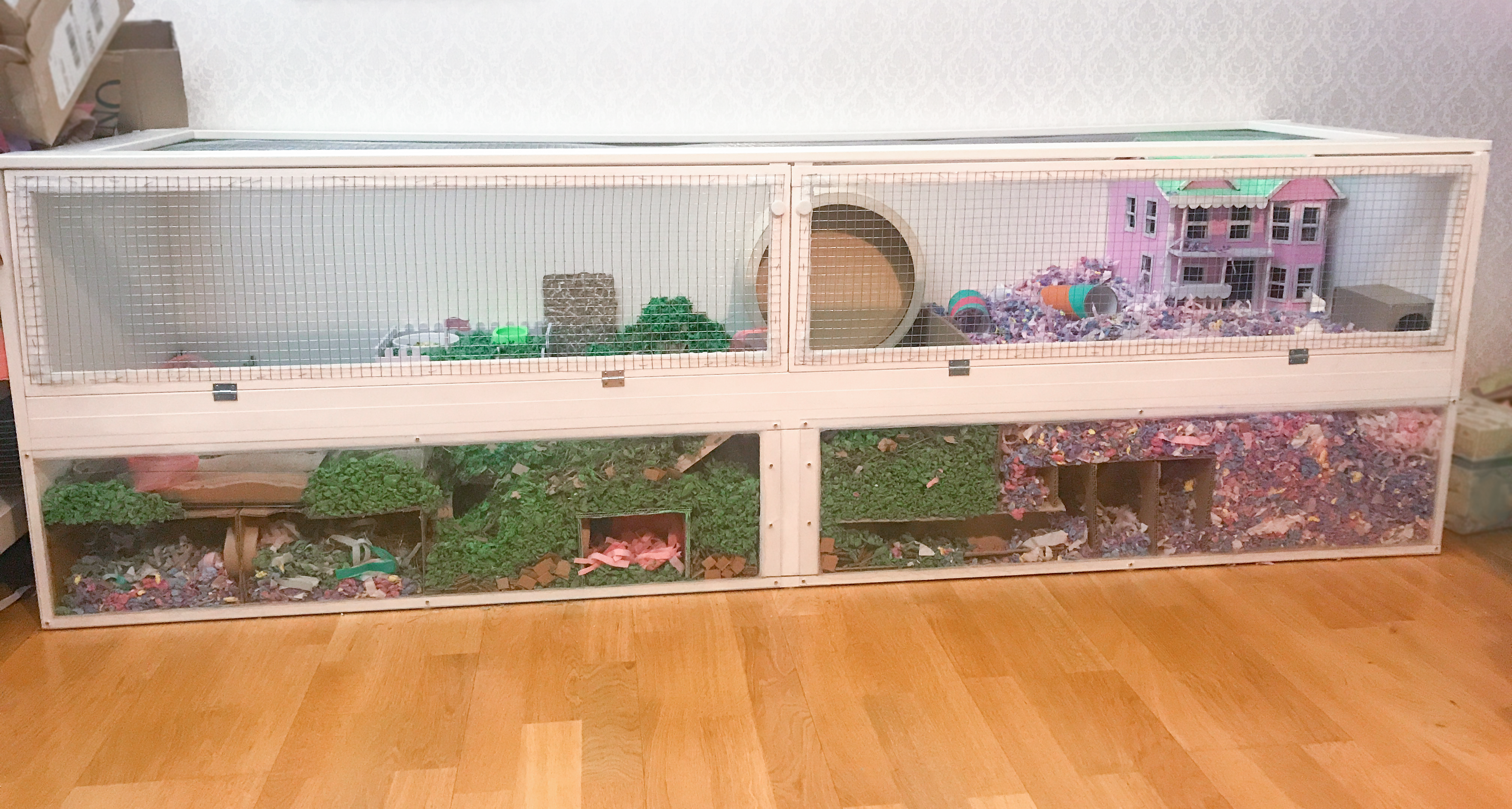

Why cage choice matters for dwarf hamsters
Winter White and Long-Haired Dwarf hamsters are not simply smaller versions of Syrian hamsters; they have distinct physical traits that make standard small-animal enclosures inadequate. A generic cage often fails to address the specific ventilation needs of long-haired varieties or the security requirements of skittish Winter Whites. Choosing the right home starts with understanding how their fur and behavior dictate their environmental needs.
Long-haired Dwarf hamsters are prone to respiratory issues, making airflow a critical health factor rather than just a comfort preference. Their thick coats trap heat and can harbor moisture, which increases the risk of pneumonia if the cage is poorly ventilated. However, ventilation must be balanced with draft protection. A cage with excessive airflow in a cold room can chill the hamster, while a sealed container can allow ammonia from urine to build up. The ideal setup provides consistent, gentle air exchange without creating a direct breeze on the animal.
Bar spacing is equally important. Winter Whites are escape artists. If the gap between bars is wider than half an inch, they can squeeze through or get their heads stuck. Many standard "dwarf" cages sold in big-box stores have spacing designed for larger rodents, leaving these small hamsters vulnerable. A secure enclosure prevents injury and stress, allowing your hamster to focus on natural behaviors like burrowing and exploring.
As the Animal Human Society notes, hamsters should be kept indoors in solid-bottom cages or aquariums with wire mesh covers to ensure proper ventilation. This guidance highlights the importance of avoiding wire-bottomed cages, which can cause foot injuries, while still prioritizing air quality. When evaluating cages for these breeds, look for designs that offer solid flooring combined with secure, well-ventilated tops. This approach supports their health while keeping them safely contained.
Key features to look for in a dwarf habitat
Long-haired and Winter White dwarf hamsters have specific physical and behavioral needs that dictate their housing requirements. Unlike larger Syrian hamsters, these smaller breeds require precise measurements to ensure safety and comfort. The three non-negotiable features are bar spacing under 1/2 inch, solid flooring, and ample floor space for natural burrowing behaviors.
Bar spacing and ventilation
Winter White dwarfs are notorious escape artists. Their small size means they can squeeze through gaps that seem too narrow to pass. Any cage with bar spacing wider than 1/2 inch (1.27 cm) poses a significant risk of escape or injury. Wire cages must have spacing no wider than 0.4 inches to keep them securely inside.
While wire cages offer excellent ventilation, which helps prevent respiratory issues common in dwarf breeds, they must be paired with solid floors. Aquariums with mesh lids are a popular alternative, offering the same ventilation benefits while eliminating the risk of bar-related injuries entirely.
Solid floors over wire bottoms
Wire flooring is harmful to hamsters, regardless of size. Their small feet are not designed to bear weight on metal grids, which can lead to painful pododermatitis (bumblefoot) and joint stress. Long-haired varieties are particularly vulnerable, as their fur can get caught in wire gaps, causing tears or restricting movement.
All habitats for these breeds must feature solid flooring. This allows for proper bedding depth, which is critical for their natural burrowing instincts. Solid surfaces also provide better traction for running and playing, reducing the risk of slips and falls.
Floor space for burrowing
Dwarf hamsters are active diggers. A habitat that is too small restricts their ability to create tunnels and nests, leading to stress and repetitive behaviors. The minimum recommended floor space for a single Winter White or long-haired dwarf is 450 square inches, though larger is always better.
Vertical space is less important than horizontal floor area for these breeds. Focus on finding a wide enclosure that allows for deep bedding layers. This mimics their natural underground environment and provides mental stimulation through digging and exploring.
Comparing top cage models
When selecting a habitat, prioritize these technical specifications. The following comparison highlights how leading cage models meet the specific needs of long-haired and Winter White dwarf hamsters.
| Model Type | Bar Spacing | Floor Type | Ventilation |
|---|---|---|---|
| Wire Cage (Small Animal) | < 0.4 in | Solid plastic base | High |
| Glass Aquarium | N/A (Mesh lid) | Solid glass | Moderate (via lid) |
| Plastic Tub Habitat | N/A (Solid sides) | Solid plastic | Low (needs drilling) |
Top cage picks for long-haired dwarfs
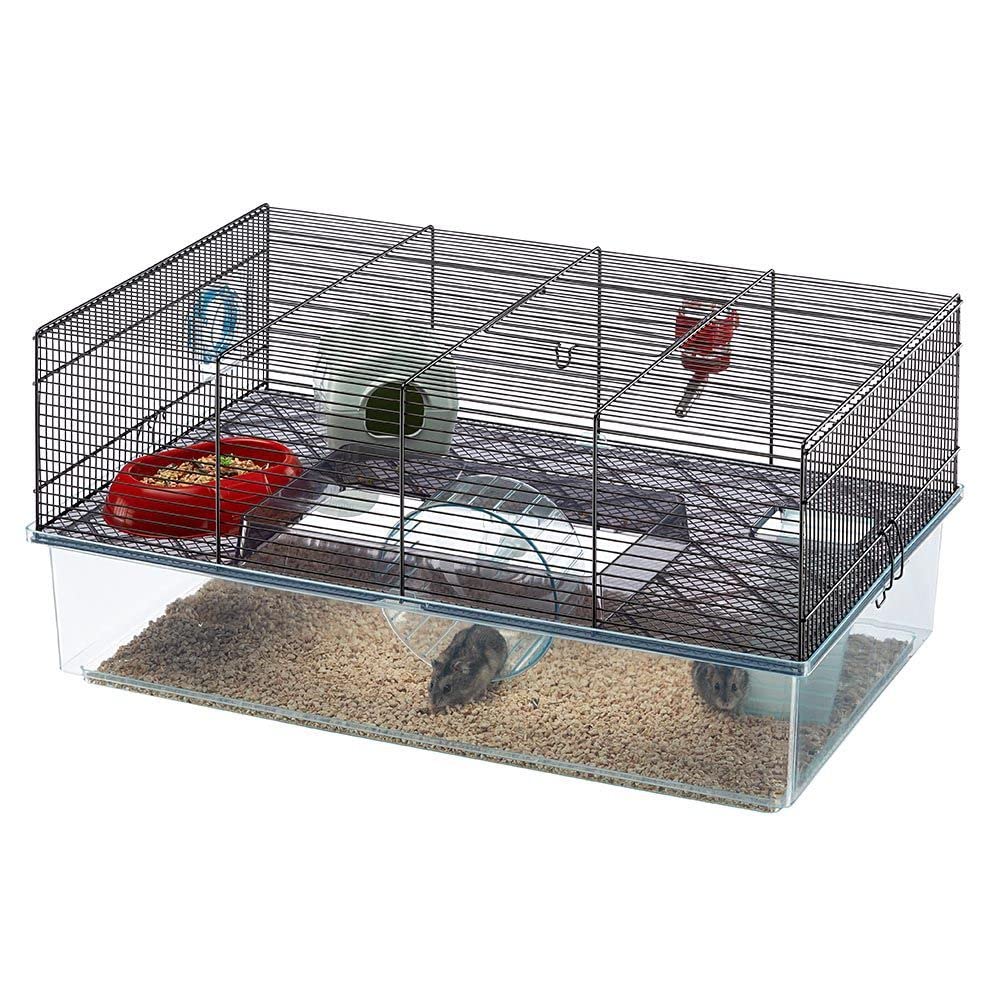
Long-haired Winter White and Syrian-cross hamsters need habitats that prevent their fur from snagging on wire bars or getting trapped in small gaps. The right cage combines smooth, easy-to-clean surfaces with high visibility so you can monitor their health without disturbing them. Below are specific cage models that address these unique grooming and safety needs.
Ferplast USA 101
The Ferplast USA 101 is a multi-level habitat designed with smooth plastic tunnels and solid platforms. This design is particularly helpful for long-haired breeds because there are no wire floors or narrow gaps where delicate fur can catch. The clear plastic walls offer excellent visibility, allowing you to observe your hamster’s activity levels and grooming habits from a distance. Its modular design makes it relatively easy to disassemble for thorough cleaning, which is essential for maintaining hygiene in a small pet environment.
Kaytee Infinity Critter Trail
The Kaytee Infinity Critter Trail provides a spacious, single-level base with an attached clear plastic dome. This dome structure ensures that long-haired hamsters can move freely without the risk of their fur getting tangled in wire mesh. The solid base allows for deep bedding, which supports natural burrowing behaviors while keeping the habitat warm during colder months. The transparent dome offers a 360-degree view, making it simple to check on your pet without opening the enclosure and causing stress.
Prevue Pet Habitat
The Prevue Pet Habitat features a wire-free design with smooth plastic levels and a clear viewing window. This model is suitable for long-haired dwarfs because it eliminates the snag hazards associated with traditional wire cages. The large viewing area allows for easy monitoring of your hamster’s behavior and health. Its simple structure facilitates quick cleaning, helping to keep the environment fresh and comfortable for your small pet.


As an Amazon Associate, we may earn from qualifying purchases.
Best habitats for Winter White Dwarfs
Winter White Dwarf hamsters are built for speed and digging. In the wild, they navigate vast steppes, which means a cage that feels like a shoebox will leave them restless and stressed. The most critical feature for this breed is depth. They need at least 12 inches of bedding to perform natural burrowing behaviors, which keeps their minds engaged and their bodies healthy.
Look for enclosures with low profiles but large footprints. Glass tanks or terrariums with secure mesh tops are ideal because they allow you to pile on high-quality aspen or paper-based bedding without the bars getting in the way. Wire cages often lack the necessary depth and can be too drafty for these cold-adapted rodents. The visual below illustrates the care standards these active burrowers require.
When selecting a habitat, prioritize ventilation over visibility. While glass tanks offer excellent depth, ensure they have a large, secure mesh top to allow for proper airflow. This setup supports their high activity levels and prevents the ammonia buildup that can harm their sensitive respiratory systems.


As an Amazon Associate, we may earn from qualifying purchases.
Set up your new hamster home
Before bringing your long-haired or Winter White dwarf hamster into their new cage, you need to create an environment that mimics their natural needs. These small rodents are sensitive to drafts and temperature changes, so the initial setup is critical for their immediate comfort and long-term health.
Dwarf hamsters are burrowers, not just runners. Provide at least 6–8 inches of paper-based or aspen bedding to allow for deep nesting. Avoid cedar or pine shavings, as the aromatic oils can irritate their sensitive respiratory systems. For long-haired varieties, loose bedding helps prevent fur matting against the cage floor.

Hideouts provide essential security. Place at least two small, enclosed shelters in opposite corners of the cage to reduce stress. Add a solid-surface exercise wheel (at least 8 inches in diameter) and chewable toys made from untreated wood or hay. These items encourage natural foraging and exercise behaviors.
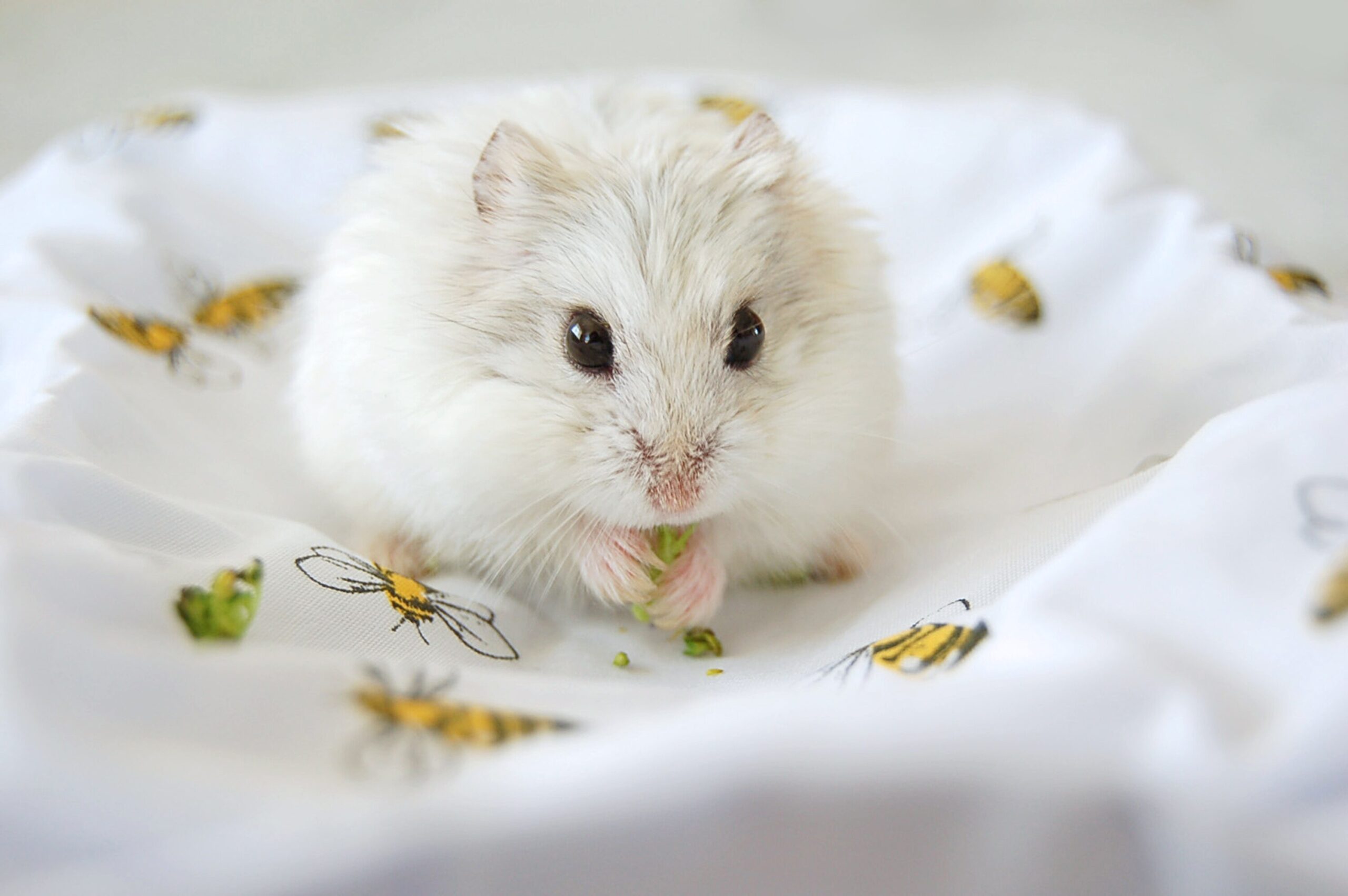
Keep the cage in a quiet room away from direct sunlight, drafts, and heating vents. Dwarf hamsters thrive in temperatures between 65°F and 75°F (18°C–24°C). Avoid placing the cage on top of refrigerators or near windows where temperatures fluctuate rapidly, as this can trigger hibernation-like states or heat stress.
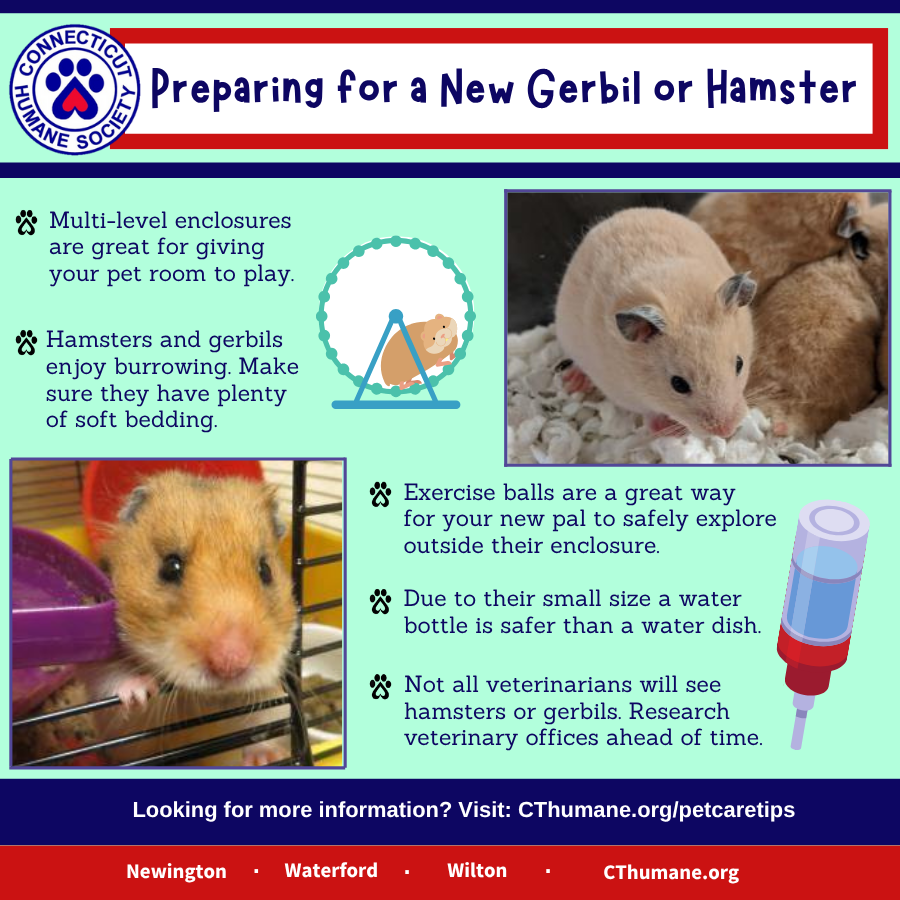
Set up a heavy ceramic or glass water bottle attached to the side of the cage, ensuring the spout is clean and functional. Fill it with fresh, cool water before introducing the hamster. Place a small dish of high-quality dwarf hamster mix in a corner, away from the primary hiding spot to keep food sources separate from sleeping areas.
Once the cage is fully assembled and cleaned, wait a day or two for any dust from bedding or new materials to settle. This allows your new pet to explore their territory without the stress of human handling during the initial adjustment period.
Common questions about dwarf hamster care
Do hamsters live to 5 years?
It is rare for a dwarf hamster, including the Winter White, to reach five years. Most live between 1.5 and 2 years. You can maximize their potential lifespan by providing a spacious cage with deep bedding for burrowing and a consistent diet of high-quality pellets and fresh vegetables.
What do hamsters do when happy?
A content hamster often performs "popcorning," where it jumps into the air with its back arched. You may also see them yawning, which signals relaxation, or engaging in lively acrobatics and thorough grooming. These behaviors indicate they feel safe and comfortable in their environment.
How much is a new hamster?
Buying a dwarf hamster from a pet store typically costs between $15 and $25. Adoption from a local rescue or shelter is often more affordable, ranging from $10 to $30, though fees may be waived during special events. Remember to budget separately for the cage, wheel, and initial supplies.
No comments yet. Be the first to share your thoughts!