


First steps after getting a hamster
Bringing home a dwarf hamster—whether a Winter White or a Long-Haired variety—is exciting, but the first few days set the tone for your pet’s health and happiness. Hamsters are prey animals, which means they are biologically wired to hide signs of pain or stress until an issue becomes critical. Before you bring your new friend home, locate a veterinarian who specializes in exotic small mammals. Having that contact ready ensures you aren’t scrambling for care the moment something seems off.
Once settled, focus on nutrition. Hamsters require a diet with approximately 18-20% protein to thrive. Avoid feeding them only generic seed mixes, which often lack balance. Instead, choose a high-quality commercial blend or a species-specific mix that includes pellets, seeds, and dried vegetables. Introduce any new food slowly to prevent digestive upset. Keep fresh water available at all times using a bottle designed to prevent leaks, and check the nozzle daily to ensure it flows correctly.
Stress reduction is just as important as diet. Hamsters have a keen sense of smell and sound, so place their cage in a quiet area away from heavy foot traffic, loud televisions, or other pets. Give them 2-3 days to adjust before handling them extensively. Let them explore their new environment at their own pace. This quiet period helps them associate their cage with safety rather than fear, laying the groundwork for a trusting relationship.
Best hamster cages for dwarf types
Choosing the right home for a dwarf hamster requires balancing their need for space with their safety. Unlike Syrian hamsters, dwarf varieties—such as the Winter White, Roborovski, and Long-Haired hamsters—are smaller and more prone to escaping through gaps. The Animal Humane Society recommends solid-bottom cages or aquariums with secure wire mesh tops to ensure proper ventilation without the risk of foot injuries from wire floors.
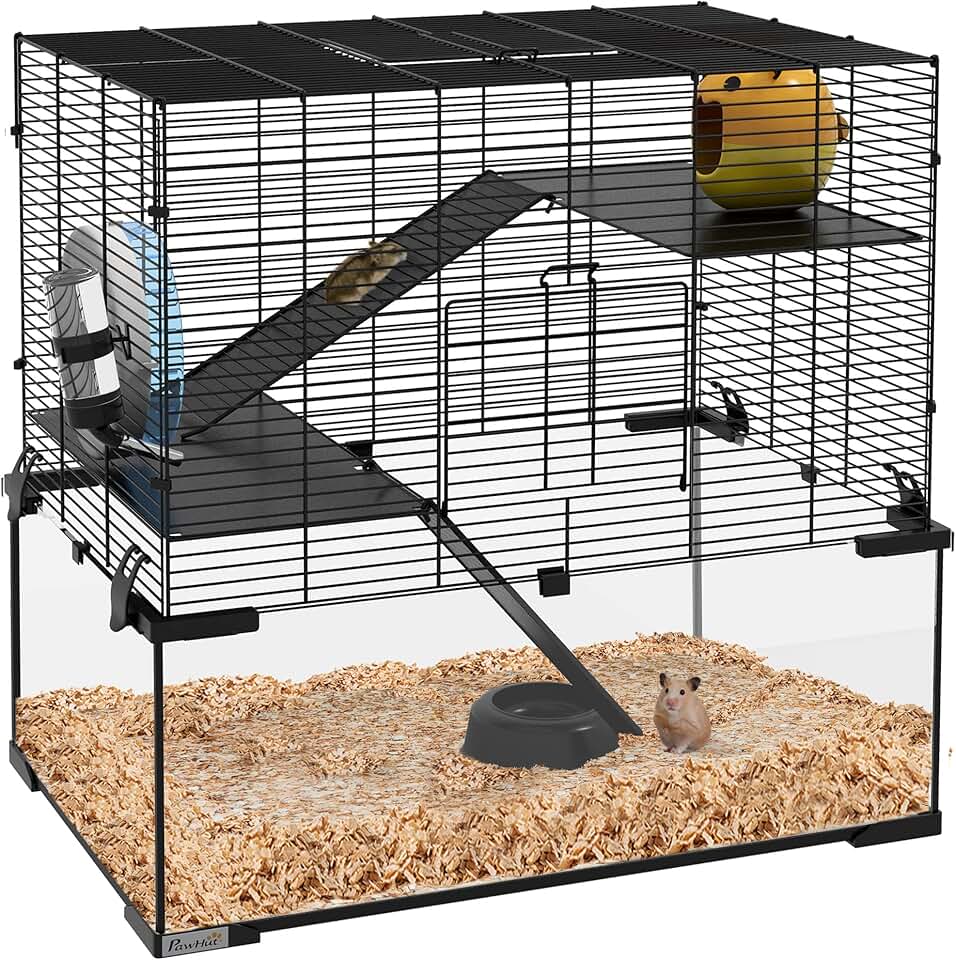
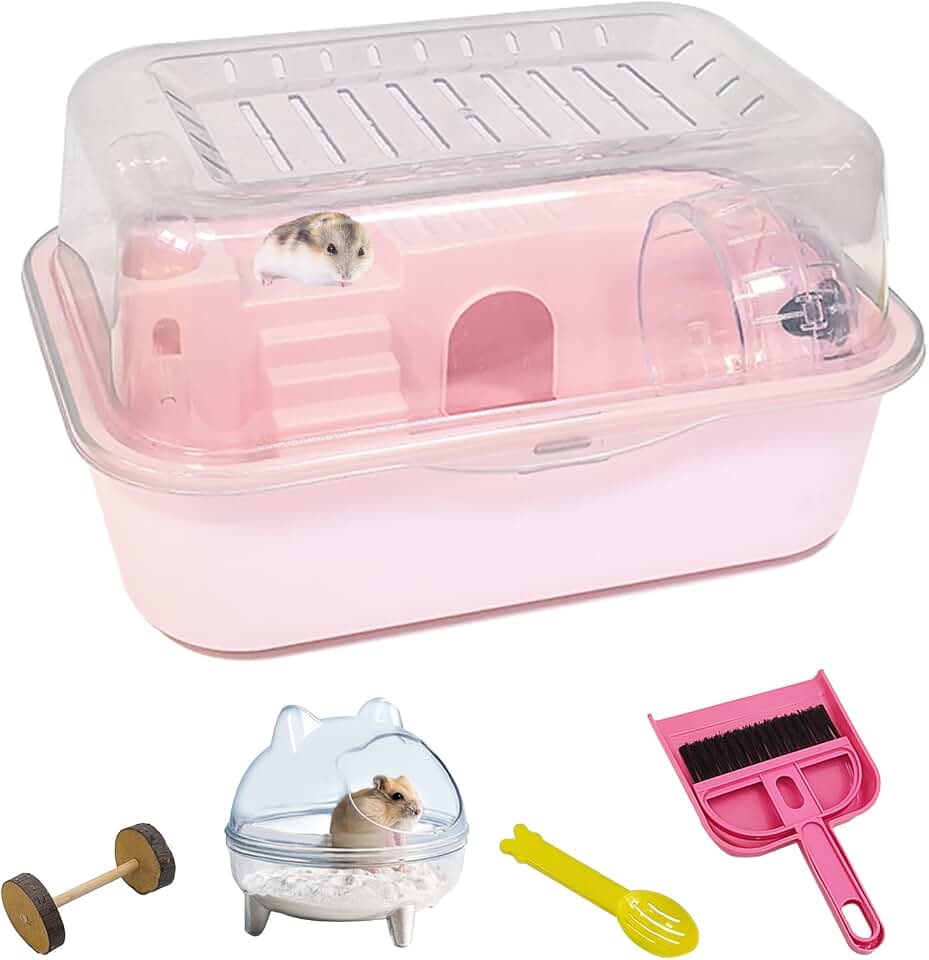
When shopping for a habitat, prioritize wide floor space over vertical height, as dwarf hamsters are ground-dwelling runners. Look for enclosures with bar spacing no wider than half an inch to prevent them from squeezing through. Below are some of the most highly regarded options for dwarf hamster habitats, selected for their secure design and suitability for smaller breeds.

As an Amazon Associate, we may earn from qualifying purchases.
These enclosures vary in style but all meet the basic safety requirements for dwarf hamsters. Whether you choose a plastic tub base, a multi-level wire cage, or a traditional glass aquarium, ensure the lid is secure and the flooring is solid. This setup supports the natural behaviors of Winter Whites and Long-Haired hamsters while keeping them safely contained.
Comparing cage sizes and features
Choosing the right home for your dwarf hamster comes down to floor space and how easy the cage is to maintain. Whether you are caring for a Winter White or a Long-Haired variety, these small prey animals need room to run and hide to stay stress-free. The table below breaks down the key specifications of the top recommended cages so you can pick the best fit for your setup.
| Product | Floor Space | Material | Ease of Cleaning | Best For |
|---|---|---|---|---|
| Ferret Nation Small Pet Cage | 18x24 inches | Wire grid with plastic base | Tray pulls out easily | Active runners |
| Kaytee CritterTrail Habitat | 14x20 inches | Plastic and wire | Wipeable plastic base | Beginners |
| Prevue Pet Wire Cage | 12x18 inches | Chrome-plated wire | Removable tray | Small spaces |
| Zoo Med ReptiBreeze Screen Top | Varies (topper) | Mesh screen | Washable screen | Ventilation boost |
Floor space is the most critical factor. Dwarf hamsters, including Roborovski and Campbell’s varieties, are naturally active and require a solid base of at least 450 square inches for optimal health. While the Ferret Nation offers ample room for wheels and tunnels, the Kaytee CritterTrail provides a more compact, entry-level option that is easier to clean for first-time owners. Always prioritize a wide footprint over height for dwarf breeds, as they are ground runners rather than climbers.
Understanding dwarf hamster lifespan
Dwarf hamsters typically live between one and two years, with some individuals reaching three years under ideal conditions. This short window means their care needs to be consistent from day one. While a two-year lifespan might feel brief compared to cats or dogs, it is standard for small rodents. Understanding this timeline helps owners provide the right environment to maximize their pet's health and happiness.
Several factors influence how long a dwarf hamster lives. Genetics play a role, but environment and diet are often more significant. Roborovski dwarfs, the smallest of the species, often live slightly longer than Winter Whites or Campbell's dwarfs. Long-Haired varieties, which are often a mutation of Winter Whites, share similar lifespans but require more grooming to prevent matting, which can indirectly affect their comfort and health.
Stress is a major killer of dwarf hamsters. These prey animals are sensitive to loud noises, frequent handling, and cramped spaces. A quiet, spacious cage with deep bedding for burrowing reduces stress hormones. Proper nutrition is equally important; a varied diet of high-quality pellets, fresh vegetables, and occasional treats supports their immune system. Regular vet check-ups with an exotic animal specialist can catch health issues early, such as wet tail or dental problems, which are common in this age group.
Setting Up the Ideal Hamster Habitat
Creating a safe environment for your dwarf hamster starts with the right enclosure. Unlike larger pets, hamsters need a specific setup to thrive, especially since they are nocturnal and prone to stress if their space is inadequate. The goal is to replicate a secure burrow while allowing for natural behaviors like running and digging.
Skip small wire cages with bar spacing that allows escape. Opt for a solid-bottom plastic cage or a spacious aquarium with a secure wire mesh lid for ventilation. Dwarf hamsters, including Winter Whites and Long-Haired varieties, need floor space to explore, so prioritize width over height.
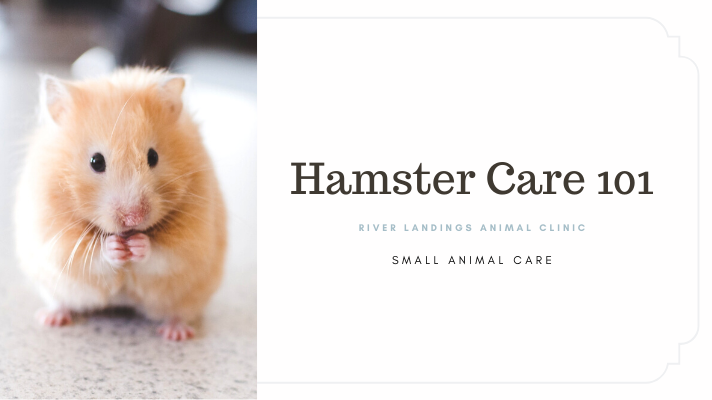
Hamsters are natural diggers and need at least 10-12 inches of substrate to build tunnels. Use paper-based or aspen bedding, which is safe if ingested. Avoid cedar or pine shavings, as their aromatic oils can cause severe respiratory issues. Fluffy cotton bedding is also unsafe and can cause limb entanglement.
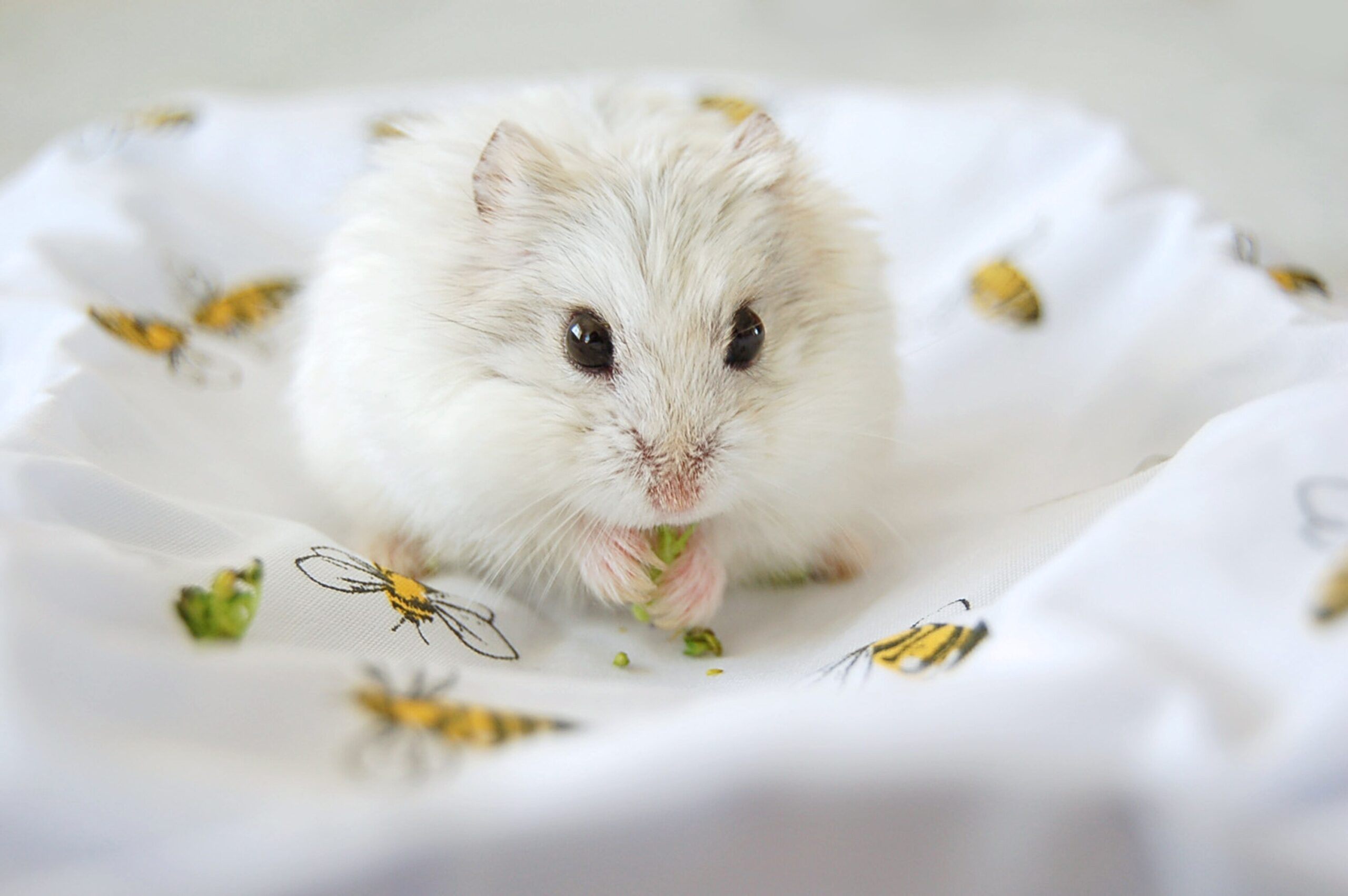
A bare cage leads to boredom and stereotypic behaviors. Include a solid exercise wheel (8-10 inches for dwarfs) to support their high energy levels. Add hiding spots, such as ceramic houses or small tunnels, to provide security. These elements mimic the sheltered environment of their natural burrows.



As an Amazon Associate, we may earn from qualifying purchases.
By focusing on these core elements—space, safe bedding, and enrichment—you establish a foundation for your hamster’s long-term health. A well-set habitat reduces stress and encourages natural behaviors, making your pet happier and more interactive.
No comments yet. Be the first to share your thoughts!