

Syrian and winter white basics
If you're looking for your first hamster, you'll likely choose between a Syrian and a Winter White Dwarf. Syrians are the classic 'golden hamsters'—large, solitary, and easy to spot. Winter Whites are much smaller and have a completely different energy.
Syrian hamsters originated in Syria, hence the name, and were first brought to the United States in the 1930s. They generally have a more laid-back temperament, though individual personalities vary. Winter White Dwarf hamsters, originally from Siberia and Mongolia, are adapted to colder climates and exhibit behaviors reflecting that. A common misconception is lumping all dwarf hamsters into one category; the Winter White is quite different from other dwarfs like the Campbell’s or Roborovski.
Someone considering a Syrian might appreciate a hamster that’s relatively easy to handle and enjoys a bit more interaction. They're often described as 'teddy bear' hamsters due to their size and generally docile nature. The Winter White, however, is better suited for someone who appreciates observing a more active, fast-paced hamster. They are more prone to being skittish, though with patience, a bond can still be formed.
The right choice depends on whether you want a pet you can hold easily or one that's fun to watch as it zips around a cage. Both need a real commitment to care, even if they are small.
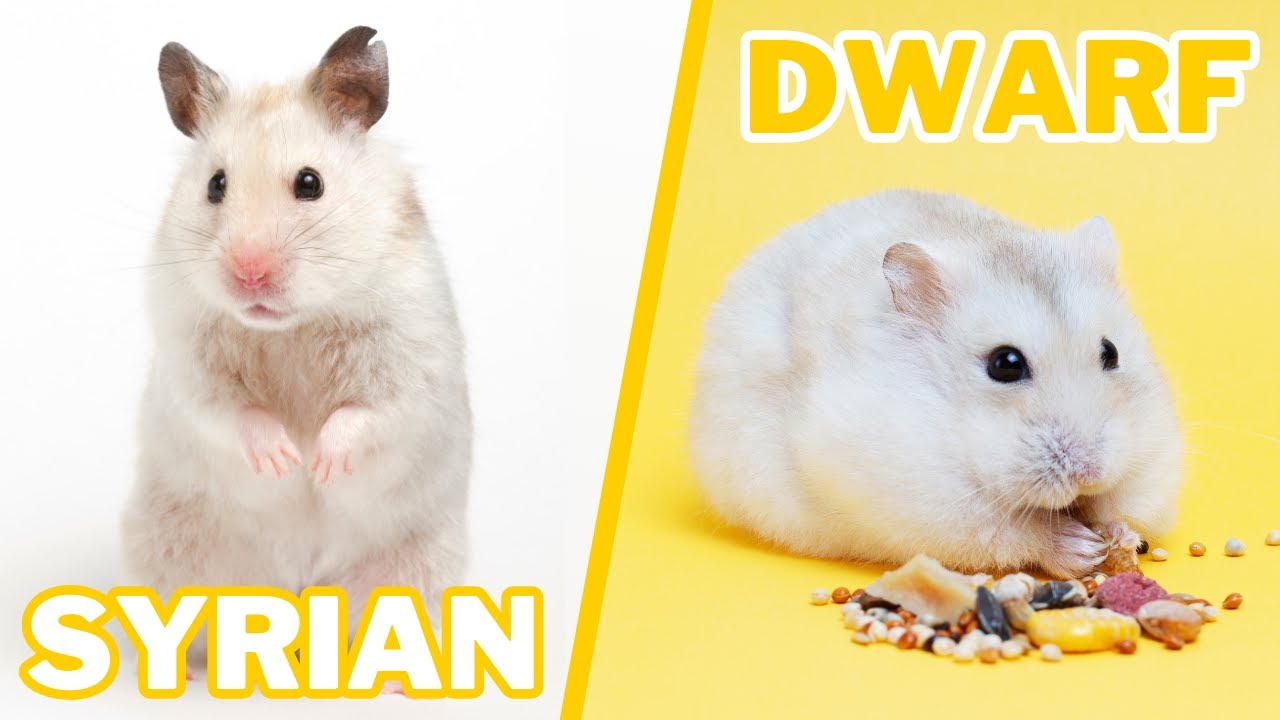
Size and physical traits
The difference in size between a Syrian and a Winter White is immediately noticeable. Syrian hamsters typically grow to be 5-7 inches long and can weigh between 4-8 ounces. Winter White Dwarf hamsters, in contrast, are much smaller, reaching only 3-4 inches in length and weighing a mere 1-2 ounces. This size difference has a significant impact on their housing and handling needs.
Syrians have a robust build and come in a variety of coat types: short-haired, long-haired (often called 'teddy bear' hamsters), and satin-coated. Winter Whites have a shorter, denser coat that changes color seasonally – becoming lighter in the winter months, hence their name. This color change, a result of reduced melanin production, is a fascinating adaptation to their natural environment.
This difference in size impacts enclosure requirements. A Syrian needs a significantly larger cage than a Winter White to allow for adequate exercise and enrichment. Handling also differs; Syrians are generally easier to pick up and hold due to their larger size, while Winter Whites can be more difficult to manage because of their small stature and tendency to dart around. An adult Winter White can easily slip through your fingers.
The smaller size of the Winter White also means their cheek pouches, used for carrying food, are proportionally smaller. While both species hoard food, the Winter White may need to make more frequent trips to and from their food stash. Considering these physical differences is crucial when preparing to welcome either of these hamster types into your home.
Diet and food
A balanced diet is crucial for your hamster’s health and longevity. A high-quality hamster food mix should form the foundation of their diet. Look for mixes that contain a variety of seeds, grains, and pellets. Avoid mixes with excessive amounts of sugary treats. Oxbow Garden Select Hamster & Gerbil Food is a brand frequently recommended by vets.
Supplement their diet with small amounts of fresh fruits and vegetables. Safe options include apples, bananas, broccoli, and carrots. Be sure to introduce new foods gradually to avoid digestive upset. Treats should be given in moderation; sunflower seeds, while popular, are high in fat and should be offered sparingly.
Avoid feeding your hamster chocolate, onions, garlic, citrus fruits, and grapes, as these are toxic. Also, avoid processed foods and sugary treats. Fresh, clean water should always be available, either in a sipper bottle or a heavy ceramic bowl.
A common mistake is overfeeding. Hamsters naturally hoard food, so it’s easy to give them too much. Monitor your hamster’s weight and adjust their food intake accordingly. A healthy hamster should be slightly rounded in shape, but not obese. Providing a nutritious diet is one of the best things you can do for your furry friend.
Lifespan Impact Factors: Winter White Dwarf Hamster vs. Syrian Hamster
| Lifespan Factor | Winter White Dwarf Hamster | Syrian Hamster | Relative Impact on Lifespan |
|---|---|---|---|
| Genetics | Potential for genetic predispositions to health issues exists, but is less documented than in Syrians. | Breeding practices have led to some genetic lines prone to specific health concerns. | Medium |
| Diet | Requires a balanced diet formulated for dwarf hamsters; prone to diabetes if fed sugary treats. | Requires a balanced diet, but generally less sensitive to sugary treats than Winter Whites. | High |
| Enrichment | High need for enrichment due to active nature and intelligence; boredom can lead to health problems. | Requires enrichment, but may be content with slightly less complex setups than Winter Whites. | High |
| Veterinary Care | Veterinary care is crucial for early detection of health problems, but finding vets experienced with dwarf hamsters can be challenging. | More vets are familiar with Syrian hamster health concerns, potentially facilitating quicker diagnosis. | Medium |
| Typical Lifespan | Generally 1.5 - 2 years. | Generally 2 - 3 years. | N/A |
| Common Health Concerns | Prone to diabetes, age-related proliferative ileitis, and dental issues. | Prone to wet tail, abscesses, and tumors. | N/A |
Illustrative comparison based on the article research brief. Verify current pricing, limits, and product details in the official docs before relying on it.
Common health issues
Both Syrian and Winter White hamsters are susceptible to certain health problems. Wet tail, a bacterial infection causing severe diarrhea, is particularly common and can be fatal if left untreated. Respiratory infections, often caused by bacteria or viruses, can also be serious. Dental issues, such as overgrown teeth, can occur if a hamster doesn’t have enough to chew on.
Preventative care is essential. Provide a clean, stimulating environment, a nutritious diet, and regular handling to reduce stress. Monitor your hamster for any signs of illness, such as lethargy, loss of appetite, diarrhea, sneezing, or difficulty breathing. Early detection is key.
If you suspect your hamster is ill, seek veterinary attention immediately. It's important to find a vet experienced with small animals, as not all vets are comfortable treating hamsters. Be prepared to provide a detailed history of your hamster’s symptoms and care routine.
Regular checkups can help identify potential health problems early on. While hamsters don’t require annual vaccinations, a vet can assess their overall health and provide advice on preventative care. Don’t hesitate to consult a vet if you have any concerns about your hamster’s well-being.
- Common Issues: Wet tail, respiratory infections, dental problems
- Seek Vet Care For: Lethargy, loss of appetite, diarrhea, sneezing, difficulty breathing
Which Hamster is Right For You?
Choosing your first hamster is exciting! Both Syrian and Winter White Dwarf hamsters make wonderful pets, but they have very different needs. This quiz will help you determine which species best fits your lifestyle and experience level. Answer honestly to get the most accurate recommendation.
Winter white color changes and torpor
Winter White Dwarf hamsters have two unique characteristics that Syrian hamsters lack: their seasonal color change and their propensity to hibernate (or, more accurately, enter torpor). During the winter months, their coat lightens in color, providing camouflage in their natural snowy environment. This change is triggered by decreasing daylight hours and lower temperatures.
Winter Whites can also enter a state of torpor, a short-term hibernation-like state, if exposed to cold temperatures. This is a natural survival mechanism, but it can be alarming for owners. Signs of torpor include lethargy, unresponsiveness, and a significant drop in body temperature. If your hamster enters torpor, gradually warm them up by providing a warm, safe environment.
It’s important to maintain a stable temperature in your hamster’s enclosure, ideally between 65-75°F (18-24°C), to prevent them from entering torpor. Avoid placing the enclosure in a drafty area or near a cold window. Understanding these unique characteristics is essential for providing proper care for a Winter White Dwarf hamster.
Featured Products

Expandable habitat design · Includes exercise wheel, food dish, and water bottle · Clear dome for visibility
This habitat offers an expandable design that can grow with your pet's needs, providing ample space for exploration and play.

Tight wire spacing for safety · Durable construction · Large door for easy access
With its secure, tight wire spacing and durable build, this cage provides a safe and robust environment suitable for a variety of small pets.

Leakproof canvas bottom for easy cleaning · Includes a divider for creating separate spaces · Tool-free assembly
This cage is an excellent budget-friendly option with a leakproof base and a simple, tool-free setup, making maintenance straightforward.
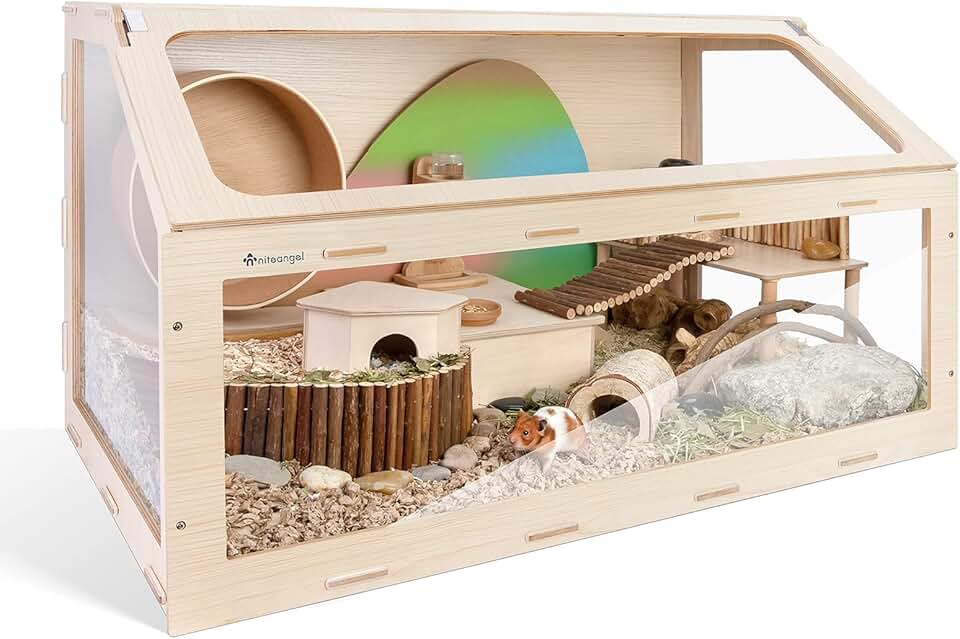
Spacious design with ample ventilation · Made from natural wood materials (MDF Aspen) · Oblique opening cage door for easy access
This large, aesthetically pleasing cage offers generous space and natural materials, creating an enriching environment for hamsters.

Hybrid design with plastic base and wire top · Large living space · Top-opening door for easy access and cleaning
The extra-large size and hybrid design of this habitat provide a substantial and easily accessible living space for larger small animals.
As an Amazon Associate I earn from qualifying purchases. Prices may vary.


No comments yet. Be the first to share your thoughts!