


Choosing the right dwarf hamster cage
Most pet store starter cages are too small for dwarf hamsters. These tiny rodents have high energy levels and need room to run, burrow, and explore. Buying a cramped enclosure leads to stress, boredom, and health issues like wet tail.
Dwarf hamsters require at least 450 square inches of floor space. This is the minimum for a single hamster. More space is always better. Avoid cages with wire floors, which can hurt their feet. Use solid bottoms or aquariums with secure mesh tops for ventilation.
A good cage mimics their natural habitat. Include deep bedding for burrowing, a solid exercise wheel, and hiding spots. The Animal Humane Society recommends indoor housing in solid-bottom cages or aquariums. This setup supports their physical and mental well-being.
When selecting a cage, prioritize floor space over height. Dwarf hamsters are ground-dwellers. Tall cages with many levels do not compensate for a small footprint. Look for wide enclosures that allow for long, uninterrupted runs.
Best hamster cages for small spaces
Finding a hamster cage for small spaces doesn't mean compromising on your dwarf hamster's quality of life. These compact habitats are designed to fit neatly into apartments or bedrooms while still providing the necessary square footage for running, burrowing, and exploring. The key is selecting a design that maximizes vertical space and prioritizes easy maintenance, ensuring the cage remains a clean, stress-free environment for your pet.
When space is at a premium, look for multi-level designs or tall enclosures that offer ample floor space on the ground level. This setup allows hamsters to establish a clear territory for sleeping and eating, while upper levels serve as active zones. Prioritize models with wide, accessible doors and removable trays, as cleaning a cramped cage can be difficult without these features.
The following options represent some of the most reliable compact cages available, balancing safety, durability, and footprint.


As an Amazon Associate, we may earn from qualifying purchases.
Essential habitat accessories and bedding
The right bedding and accessories turn a cage from a simple enclosure into a habitat that supports your dwarf hamster’s natural instincts. Dwarf hamsters are active diggers and burrowers, so the floor of their home needs to accommodate this behavior. Without proper substrate, they can become stressed, and their respiratory health may suffer from poor air quality.
Choosing the right bedding
Bedding is the foundation of a clean and safe home. You want materials that absorb moisture well to prevent ammonia buildup from urine, which can irritate a hamster’s sensitive lungs. Paper-based and aspen shavings are generally the safest choices because they are low-dust and absorbent. Avoid cedar and pine shavings, as the aromatic oils in these woods can cause respiratory issues. Cotton fiber bedding is also a popular option for nesting, but ensure it is lint-free so it doesn’t wrap around their legs or tails.
| Bedding Type | Dust Level | Absorbency | Safety Notes |
|---|---|---|---|
| Paper-based | Low | High | Excellent for sensitive respiratory systems. |
| Aspen Shavings | Low | Medium | Safe if kiln-dried; avoid if dusty. |
| Cotton Fiber | Low | Medium | Good for nesting; check for loose threads. |
| Cedar/Pine | High | High | Unsafe. Contains phenols that harm lungs. |
Enrichment accessories
Once the bedding is set, add accessories that mimic their natural environment. A solid-surface exercise wheel is non-negotiable; dwarf hamsters run long distances, and wire wheels can injure their feet. Look for a wheel with a quiet bearing system and a diameter of at least 8 inches to prevent back arching.
Include a hideout or two to give them a sense of security. Ceramic or wood hides are durable and easy to clean. Add a small sand bath with chinchilla sand, not dust, to help them groom their fur naturally. These simple additions encourage digging, burrowing, and exploration, keeping your hamster physically active and mentally stimulated.
Feeding and nutrition basics
A healthy dwarf hamster starts with a balanced foundation. The cornerstone of any hamster’s diet is a high-quality commercial seed and pellet mix. These blends are formulated to provide the necessary balance of carbohydrates, proteins, and fats that hamsters need to thrive. Look for mixes that feature a variety of seeds, grains, and small pieces of dried vegetables, avoiding those heavy in single ingredients like plain sunflower seeds, which can lead to obesity.
Fresh foods should be viewed as supplements, not staples. While hamsters enjoy the crunch of fresh produce, these items should only make up a small portion of their daily intake. Offer tiny pieces of washed vegetables like broccoli, carrots, or cucumber, and occasional fruits like apple slices (seeds removed). Introduce new fresh foods one at a time and in very small quantities to monitor for digestive issues. Too much fresh food can cause diarrhea, a serious condition for small rodents.
To ensure your hamster gets the right nutrients, consider starting with a reputable brand like Oxbow Essentials. These products are designed to meet the specific dietary needs of small pets, reducing the guesswork involved in mixing your own blends. Always provide fresh water in a bottle or heavy bowl, changing it daily to prevent bacterial growth.

As an Amazon Associate, we may earn from qualifying purchases.
Winter White dwarf hamster care tips
Winter Whites have a distinct physiological quirk: they are prone to entering a state of torpor, often mistaken for hibernation, when exposed to cold. Unlike true hibernators, they do not wake up on their own if their body temperature drops too low. In the wild, this is a survival mechanism for harsh winters, but in a home cage, it is a life-threatening emergency. A cold Winter White will become lethargic, refuse food, and may appear dead. Keeping their environment stable is the single most important factor in their long-term health.
The ideal temperature range for a Winter White is 65 to 75 degrees Fahrenheit (18 to 24 degrees Celsius), which aligns with typical comfortable room temperature. Avoid placing their cage in drafty areas, near windows with direct sunlight that causes heat spikes, or in rooms with fluctuating heating and cooling. If you live in a region with cold winters, consider using a small, safe ceramic heat emitter or a pet-safe heating pad placed under only half of the cage to provide a warm zone. Never use hot water bottles or microwavable discs, as these can burn the hamster or overheat the cage.
Their bedding plays a critical role in thermoregulation. Provide a deep layer of safe, absorbent substrate—such as paper-based bedding or aspen shavings—that allows them to burrow. Burrowing helps them retain body heat and creates a microclimate that is warmer than the surrounding air. If you notice your hamster piling extra bedding or nesting tightly, it is a sign they are trying to self-warm, indicating the ambient temperature is too low.


As an Amazon Associate, we may earn from qualifying purchases.
First month health checklist
The first thirty days are critical for your dwarf hamster’s immune system and stress levels. A sudden move can trigger wet tail or respiratory issues, so your goal is to minimize handling while maximizing observation. Treat this month as a quiet settling-in period rather than an active training phase.
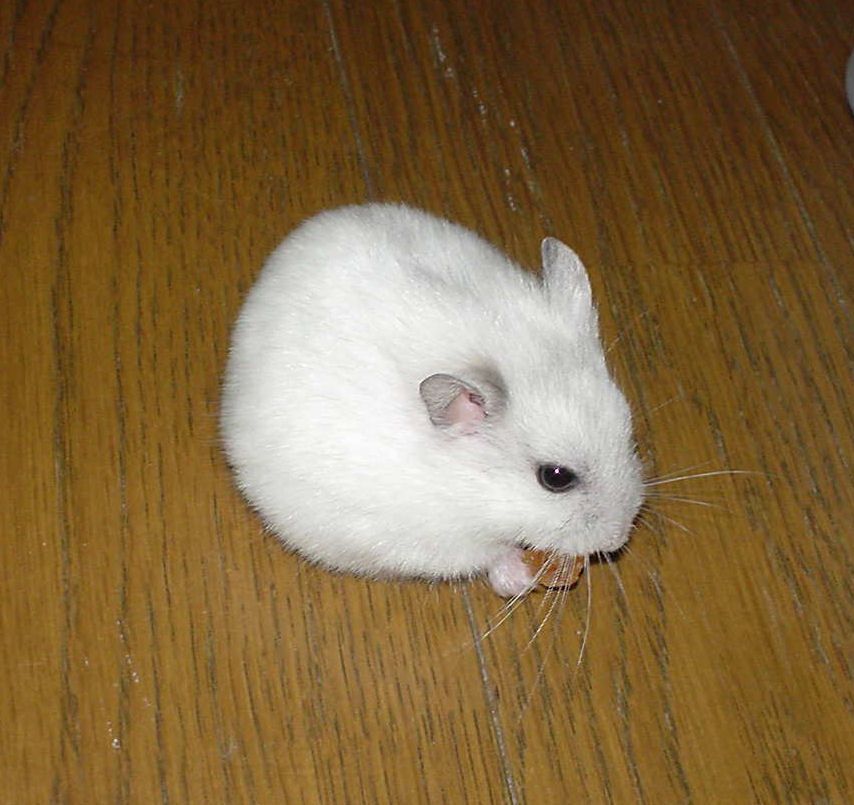
Keep the cage in a quiet, low-traffic area. Do not attempt to hold or play with your hamster. Watch from a distance to ensure they are eating, drinking, and using the litter box. If they hide constantly, this is normal; forcing interaction now can cause long-term fear.

Inspect the cage bedding daily. Healthy droppings are small, dry, and uniform. If you see wet, slimy, or foul-smelling feces, this is a sign of wet tail, a potentially fatal condition. Contact an exotic vet immediately if symptoms include hunching, lethargy, or loss of appetite.

Begin building trust by offering small treats like a tiny piece of cucumber or a mealworm from your open palm. Let the hamster come to you. If they refuse, wait another few days. Never chase or grab them; always scoop from below if you must move them.

Establish a consistent nighttime routine for cleaning and refilling food. Hamsters are nocturnal, so interact with them in the evening. Check their nails and fur for mites or lumps. By day 30, they should be comfortable with your scent and voice, signaling they are ready for short, supervised playtime outside the cage.
Note: If your hamster stops eating for more than 24 hours, seek veterinary care immediately. Hamsters have very fast metabolisms and can decline rapidly if they stop eating.
This checklist ensures your dwarf hamster transitions from a stressed traveler to a healthy, curious pet. Consistency is more important than intensity during this period.
Common hamster health: what to check next
Keeping a dwarf hamster healthy starts with knowing what normal looks like, so you can spot problems early. While dwarf species like Campbell’s and Winter White are hardy, they are prone to specific issues that require immediate attention. Understanding the signs of illness and separating fact from fiction in care myths helps prevent unnecessary stress for your pet.
No comments yet. Be the first to share your thoughts!