

What the budget buys
Grooming tools for long-haired hamsters span a wide price range, but the tradeoffs are straightforward. At the low end, you get basic utility; at the higher end, you get durability and specialized design. The goal is to find the right balance for your hamster’s coat type and your handling frequency.
The Dollar Store Approach
A standard human toothbrush or a small pet grooming comb costs less than five dollars. These are effective for daily maintenance, especially for young Syrian hamsters with soft, fine fur. The toothbrush is particularly useful for reaching around the ears and cheeks without pulling. However, the bristles may wear down quickly, and the handle might be too large for precise control during grooming sessions.
The Mid-Range Standard
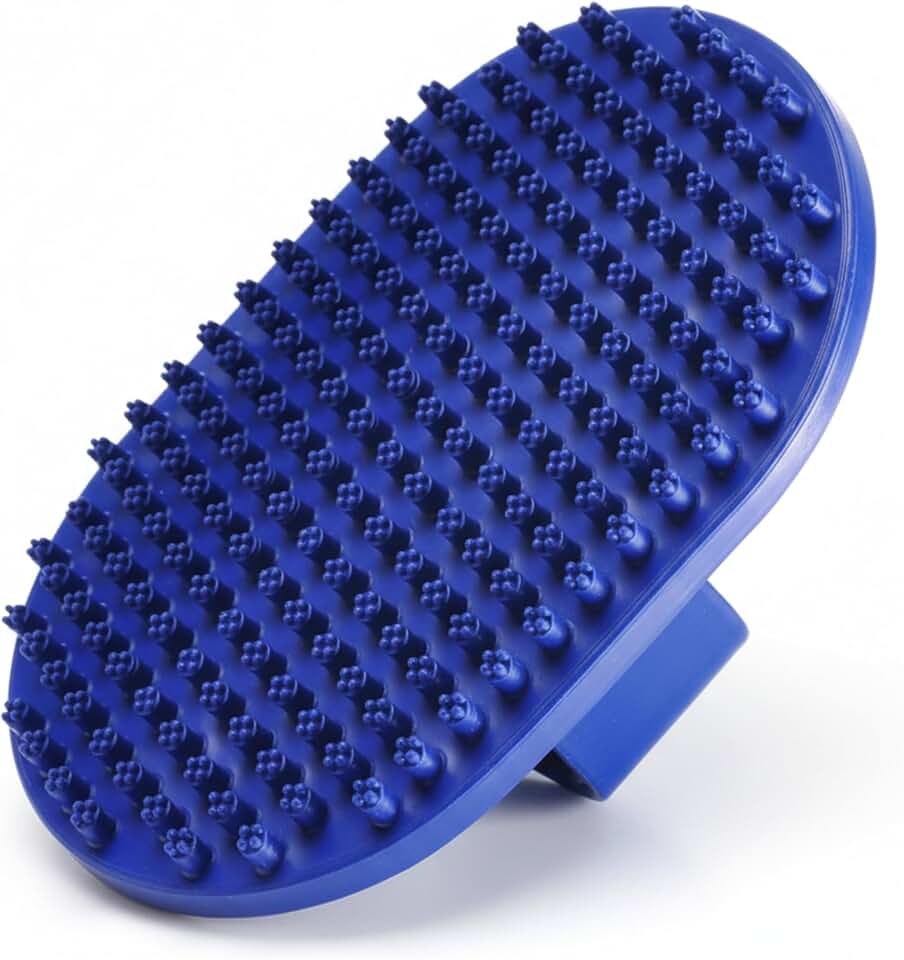
Spending between ten and twenty dollars gets you a dedicated pet grooming kit. These often include a slicker brush with fine wire bristles and a metal comb for detangling. The build quality is better, with sturdier handles and bristles that won’t snap easily. This is the sweet spot for most owners, offering a reliable toolset that lasts for years. Look for brushes labeled for small pets or cats, as the bristle density is appropriate for hamster fur.
The Premium Option
High-end grooming tools, often priced over twenty-five dollars, focus on ergonomics and specialized materials. Some feature wooden handles for a better grip, while others use anti-static bristles to reduce flyaway fur. While these feel nicer in the hand, the grooming outcome is rarely significantly different from a good mid-range brush. The extra cost buys comfort for the owner, not necessarily better care for the hamster.
What to Avoid
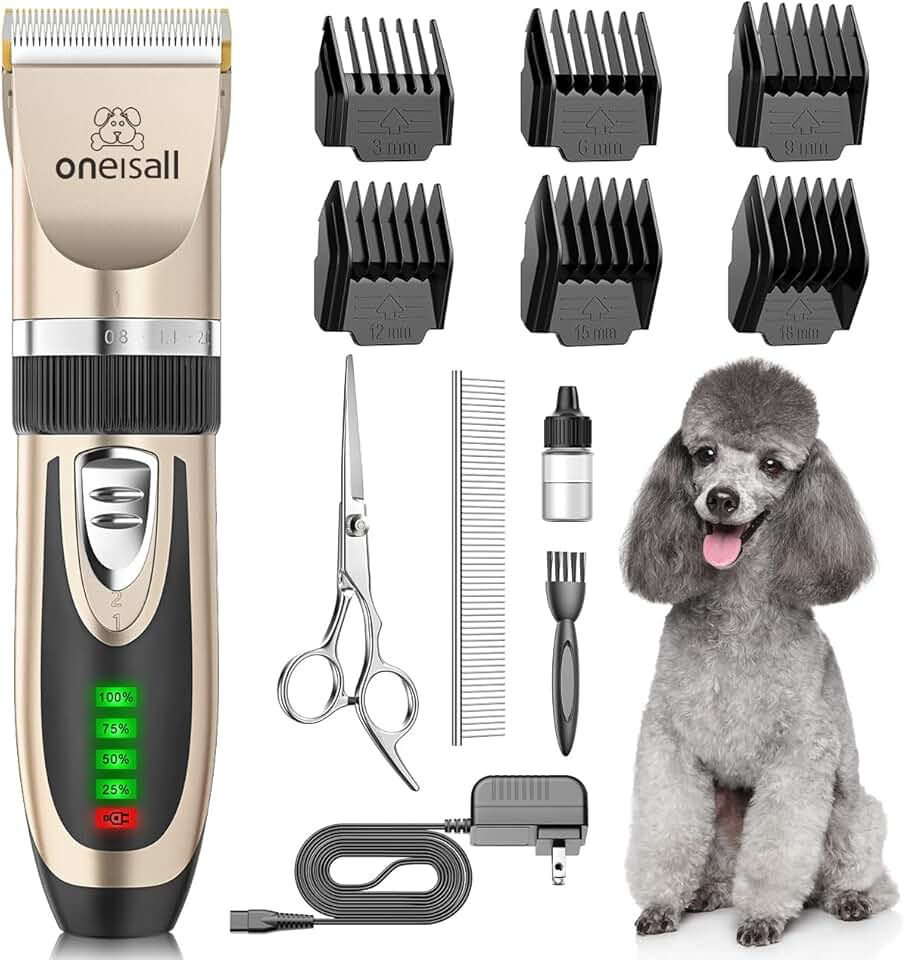
Don’t overspend on novelty items like grooming gloves or electric clippers unless you have a specific medical need. Gloves often lack the precision needed to detangle mats without hurting the pet. Electric clippers can be too loud and vibrating, causing stress to a small animal. Stick to manual tools that give you full control over pressure and angle.

As an Amazon Associate, we may earn from qualifying purchases.
The best tool is the one you use consistently. A five-dollar toothbrush used daily is better than a twenty-dollar brush used once a month. Focus on finding a tool that feels comfortable in your hand and gentle on your hamster’s skin, regardless of the price tag.
Models worth checking first
Compare the strongest long-haired hamster options without inventing specs.
A useful reference point is I Just Got A Long Haired Syrian Hamster, Any Tips? (Grooming ..., but treat it as context rather than a substitute for your own inspection.
| Factor | What to check | Why it matters |
|---|---|---|
| Fit | Match the option to the primary use case. | A good deal still fails if it does not fit the job. |
| Condition | Verify age, wear, and service history. | Hidden condition issues erase upfront savings. |
| Cost | Compare purchase price with likely upkeep. | The cheapest option is not always the lowest-cost option. |
Check before you buy
Long-haired hamsters look soft, but their coats are high-maintenance. A cheap brush or a poor-quality cage can turn grooming into a daily struggle. Before you spend money on tools or upgrades, inspect these failure points to avoid buying things you’ll end up returning.

As an Amazon Associate, we may earn from qualifying purchases.
The goal isn’t to buy the most expensive gear, but the right gear. A simple toothbrush often works better than a fancy brush. Focus on tools that are gentle, durable, and easy to use. Your hamster’s comfort depends on consistency, not complexity.
Ownership Costs That Change the Math
A long-haired hamster might seem like a low-maintenance pet, but the grooming requirements shift the cost structure significantly. While the initial purchase price is often low, the ongoing expense of proper tools and time investment is where the real cost lies. Cheap grooming kits frequently fall short, leading to more frequent vet visits for mat-related injuries or infections, which quickly outweigh any initial savings.
The primary recurring cost is high-quality grooming tools. A soft-bristle brush or a small, clean toothbrush is essential for daily maintenance to prevent painful tangles. These items are inexpensive individually, but the time commitment—often 10-15 minutes daily—adds up. Neglecting this routine can lead to severe matting, which may require professional grooming or veterinary intervention, costs that can range from $50 to over $200 depending on severity.
When evaluating ownership costs, consider the "cheap buy" trap. Low-quality brushes can shed bristles or pull fur, causing stress and skin irritation. Investing in a durable, pet-safe grooming tool from the start prevents these hidden costs. Additionally, factor in potential emergency vet bills for ingested fur or skin issues caused by poor grooming hygiene. A proactive approach to grooming is not just about aesthetics; it is a critical component of responsible and cost-effective pet ownership.
No comments yet. Be the first to share your thoughts!