
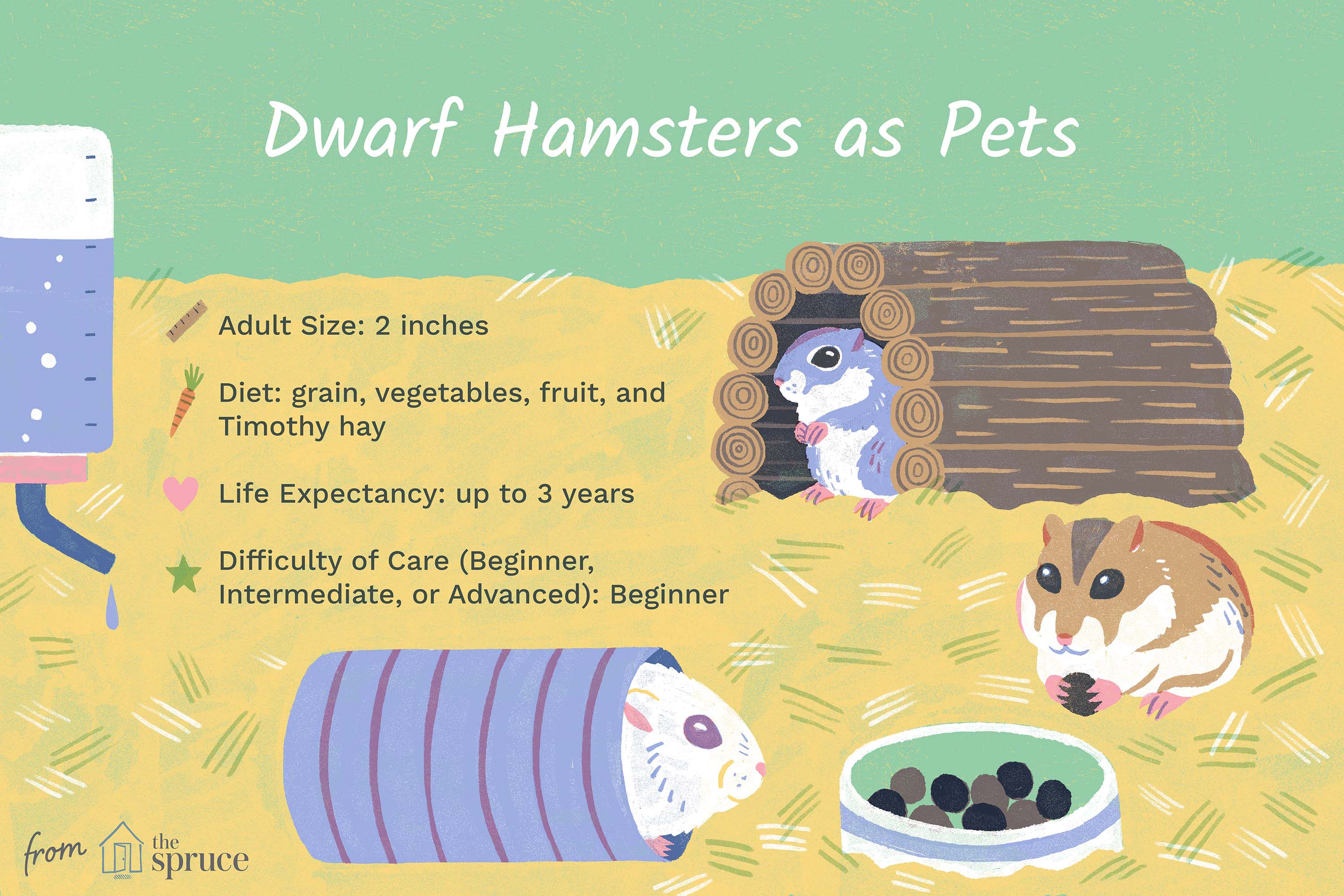

Setting up your hamster habitat
Your first priority is finding the right home. Dwarf hamsters need room to run, and most store-bought cages are too small. A cramped cage causes stress and health issues. Aim for at least 450 square inches of floor space. If you cannot find a large wire cage, a large glass aquarium with a secure mesh lid works well. The Animal Humane Society recommends solid-bottom cages or aquariums with wire mesh covers for proper ventilation.
An Image src="https://www.thesprucepets.com/thmb/1ufYqZM0VL8xFQGlSY9THu_xYOc=/3000x0/filters:no_upscale():strip_icc()/dwarf-hamster-species-1238947_final-04b6b71a5eea437e9bc5d9a8107356ee.jpg" alt="Hamster Care" />
Once you have the enclosure, fill it with the right supplies. You need bedding for digging, a wheel for exercise, and a hideout for sleeping. Start with a complete hamster kit to get the basics. These kits often include a wheel, water bottle, and food bowl, making it easier to find the things you need all at once. Avoid cages with wire floors, as these can hurt your hamster's feet. Choose a solid base or a deep bedding layer to protect their paws.



As an Amazon Associate, we may earn from qualifying purchases.
Best hamster cages for dwarf breeds
Choosing the right hamster cage for your dwarf hamster is the first step in creating a safe, enriching environment. Dwarf breeds like Campbell’s, Winter White, and Roborovski hamsters have specific needs that differ from their Syrian cousins. They are smaller, faster, and often more skittish, requiring a habitat that balances security with ample space for activity.
The market offers several cage types, each with distinct advantages and drawbacks. Glass tanks provide excellent visibility and dust control but can struggle with ventilation. Plastic tubs are budget-friendly and chew-proof but may lack airflow. Wire cages offer superior ventilation but pose risks if the bar spacing is too wide. Understanding these differences helps you select the best hamster cage for your pet’s health and happiness.
Comparing cage types
To help you decide, here is a direct comparison of the most common hamster cage styles. This table highlights the key factors that matter most for dwarf hamsters: space, ventilation, and durability.
| Cage Type | Space & Visibility | Airflow | Chew Resistance |
|---|---|---|---|
| Glass Tank | High visibility, large footprint | Poor (requires gaps) | High (glass is safe) |
| Plastic Tub | Low visibility, compact | Poor (needs modification) | High (plastic is safe) |
| Wire Cage | Good visibility, vertical space | Excellent | Low (bars may be chewed) |
Recommended products
Below are some popular options available on Amazon. These products represent the different cage styles discussed above. Remember to check the minimum floor space requirements for your specific dwarf breed before purchasing.


As an Amazon Associate, we may earn from qualifying purchases.
Choosing the right hamster food
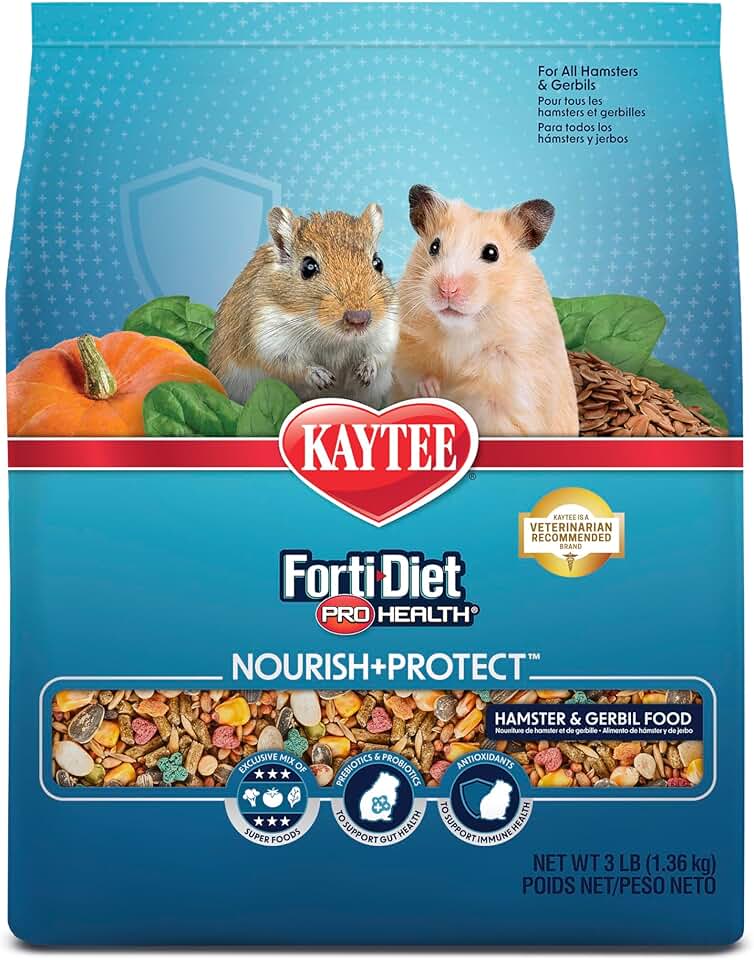
Feeding dwarf hamsters isn't just about filling a bowl; it's about mimicking their natural foraging habits while preventing the obesity and diabetes that plague captive populations, particularly Campbell's and Winter White dwarfs. The biggest mistake new owners make is relying solely on colorful seed mixes. While these look appealing, hamsters are selective eaters who will pick out their favorite high-fat seeds and leave behind the nutritious grains, leading to an unbalanced diet.
A high-quality pellet diet should form the foundation of your hamster's nutrition. Pellets are formulated to provide a consistent balance of protein, fiber, and essential vitamins in every bite, preventing selective feeding. Look for brands that list a specific protein source, such as chicken meal or fish meal, as the first ingredient, rather than vague "meat by-products." These pellets act as the steady baseline of nutrition, ensuring your hamster gets what it needs even if it isn't interested in foraging for every nutrient.
To keep things interesting and encourage natural behaviors, supplement the pellets with a small amount of species-appropriate seeds, dried insects, and fresh vegetables. Mealworms and crickets provide excellent protein, while tiny amounts of broccoli or cucumber add hydration and variety. The goal is a mix where the pellets are the majority, and the treats are just that—treats. This combination supports a healthy weight and keeps your hamster mentally stimulated.


:strip_icc()/dwarf-hamster-species-1238947_final-04b6b71a5eea437e9bc5d9a8107356ee.jpg)
As an Amazon Associate, we may earn from qualifying purchases.
Understanding dwarf hamster lifespan
Hamster Now works best as a clear sequence: define the constraint, compare the realistic options, test the tradeoff, and choose the path with the fewest hidden costs. That order keeps the advice usable instead of decorative. After each step, pause long enough to check whether the recommendation still fits the reader's actual situation. If it depends on perfect timing, unusual access, or a best-case budget, include a simpler fallback.
The simplest way to use this section is to write down the real constraint first, compare each option against it, and choose the path that still works outside ideal conditions.
Common hamster health: what to check next
Navigating hamster wellness starts with understanding the basics. From the origins of their name to safe medication practices, here are answers to the most frequent health queries.
Why do we say "hamster"?
The term "hamster" comes from the German word "hamstern," which means "to hoard." This etymology fits the animal perfectly, as they are natural hoarders that store food in their cheek pouches. Understanding this instinct helps explain why they collect bedding, toys, and treats—they are simply following their nature to gather resources.
Can hamsters take doxycycline?
Yes, doxycycline is a common antibiotic used to treat respiratory infections in hamsters, typically dosed at 5–10 mg/kg twice daily for 5–7 days. However, never administer human medication without veterinary guidance. Incorrect dosing can be fatal, and other antibiotics like enrofloxacin or trimethoprim-sulfamethoxazole may be prescribed depending on the specific infection. Always consult a vet for proper treatment.
How do I know if my hamster is sick?
Hamsters are prey animals and hide illness until it is advanced. Watch for wet tails, labored breathing, or lethargy. A yawning hamster is usually sleepy and comfortable, but constant yawning can signal respiratory distress. Sudden weight loss or a hunched posture are also red flags that require immediate veterinary attention.
Do hamsters need vaccinations?
No, domestic hamsters do not require routine vaccinations like dogs or cats. Their health relies on proper diet, clean habitats, and stress reduction. However, regular check-ups with an exotic vet can catch underlying issues early, especially if you notice changes in behavior or appetite.
No comments yet. Be the first to share your thoughts!