

Winter white basics
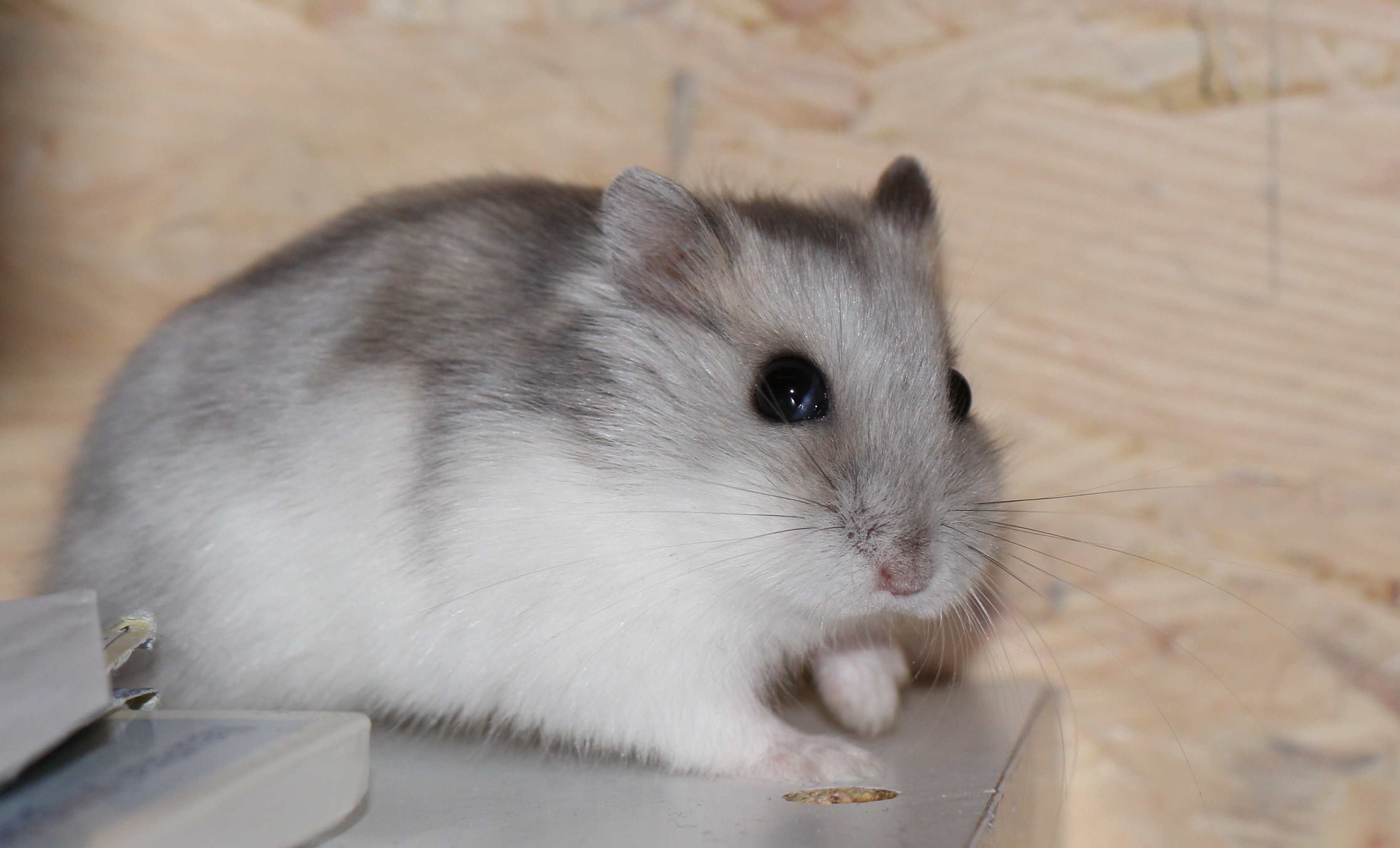
Winter White Dwarf Hamsters (Djungarian hamsters) come from the steppes of Siberia and Kazakhstan. They are tiny, usually measuring between two and three inches. New owners often underestimate how small they are compared to the common Syrian hamster.
They’ve become incredibly popular pets in recent years, and it's easy to see why. Their small size, relatively clean habits, and generally docile temperament make them appealing. However, their popularity sometimes leads to misinformation about their needs. A common mistake is assuming they’re 'easy' pets; like all animals, they require dedicated care and attention.
Winter Whites can sometimes live in same-sex pairs, unlike the strictly solitary Syrian. However, they often fight as they age. In the wild, they inhabit vast steppes where they spend most of their time burrowing. You need to provide deep substrate so they can mimic this behavior at home.
Their coloration is another defining feature. While often a sandy brown in the summer, their coat noticeably lightens to almost white during the winter months – hence the name. This color change isn’t just cosmetic; it’s a natural camouflage adaptation. They are crepuscular, meaning they are most active during twilight hours, so don't expect a lot of daytime interaction.
Lifespan & Health Concerns
Let’s be realistic about the lifespan of a Winter White Dwarf Hamster. Unfortunately, they have a relatively short lifespan, typically ranging from 1.5 to 2 years. This is something potential owners need to consider carefully. It’s heartbreaking to lose a pet, and the shorter lifespan of these hamsters can be particularly difficult. I’ve seen too many people unprepared for this reality.
Several health concerns are prevalent in Winter Whites. Wet tail, a bacterial infection causing severe diarrhea, is often fatal if left untreated. Diabetes is a significant worry, as they are prone to developing it, especially if their diet is high in sugar. Dental issues, like overgrown teeth, are also common, stemming from a lack of appropriate chewing materials. Regular vet checks are essential.
Preventative care is paramount. A high-quality diet, a clean environment, and regular handling (to monitor for any changes in behavior or physical condition) can go a long way. Early detection of illness is crucial. Look out for signs like lethargy, loss of appetite, weight loss, a dull coat, or any discharge from the eyes or nose.
Find a vet who specializes in exotics before you buy your hamster. Most general clinics focus on cats and dogs and may not have the tools to treat a 40-gram rodent. Check the British Small Animal Veterinary Association (BSAVA) directory to find a local specialist.
- Lethargy
- Loss of appetite
- Diarrhea
- Weight loss
- Dull coat
- Discharge from eyes or nose
Cage size and bedding
When it comes to housing a Winter White Dwarf Hamster, bigger is always better. The myth that dwarf hamsters are fine in small cages needs to be debunked immediately. A minimum floor space of 800 square inches is a good starting point, but I strongly recommend aiming for larger. Think in terms of providing enough space for enrichment, burrowing, and exercise.
Avoid wire-bottomed cages at all costs. These can cause foot injuries and are incredibly stressful for hamsters. Glass tanks or plastic bin cages are good options, but ensure adequate ventilation. A secure lid is essential, as hamsters are notorious escape artists. I've known people who've spent hours searching for a tiny hamster that squeezed through a seemingly impossible gap.
Bedding is crucial. Safe options include paper-based bedding (like Kaytee Clean & Cozy), aspen shavings, and hemp bedding. Avoid cedar and pine shavings, as they contain oils that can be harmful to hamsters’ respiratory systems. Deep bedding – at least 6-8 inches – is vital for allowing natural burrowing behavior. They need to burrow.
A solid-surface running wheel is non-negotiable. Wire or mesh wheels can cause bumblefoot, a painful condition affecting their feet. The wheel should be large enough to allow your hamster to run with a straight back – approximately 8-10 inches in diameter. Enrichment is also key: provide tunnels, hideouts, chews, and toys to keep them stimulated. A sand bath filled with chinchilla sand (not dust) is essential for grooming.
- Glass tank or plastic bin cage
- Paper-based bedding
- Aspen shavings
- Hemp bedding
- Solid-surface running wheel (8-10 inches diameter)
- Tunnels and hideouts
- Chews
- Sand bath with chinchilla sand
Pellets and fresh food
Seed mixes marketed for hamsters are, frankly, inadequate. They are often high in fat and sugar and lack the essential nutrients your Winter White needs. A high-quality hamster food pellet should form the base of their diet. Look for brands that are specifically formulated for dwarf hamsters, as they have different nutritional requirements than Syrian hamsters. I recommend Oxbow Essentials Dwarf Hamster Food.
Supplement the pellets with small amounts of fresh fruits and vegetables. Safe options include broccoli, cauliflower, spinach, apple (without seeds), and carrot. Offer these in moderation, as too much can cause digestive upset. Protein sources, like mealworms or cooked chicken (unseasoned), can be offered as occasional treats.
Portion control is vital. These little guys are prone to obesity and diabetes, so avoid overfeeding. A general guideline is 1-2 teaspoons of pellets per day, supplemented with a small amount of fresh food and a treat. Monitor their weight and adjust the amount accordingly. It's easy to get carried away with treats, but resist the urge!
Avoid foods that are toxic to hamsters, including chocolate, onions, garlic, citrus fruits, and grapes. Always research before introducing a new food to their diet. Fresh, clean water should always be available, ideally in a sipper bottle and a small, heavy bowl. I’ve found that providing both options ensures they always have access to water, even if one gets clogged.
Winter White Dwarf Hamster Food Brand Comparison (2026)
| Brand Name | Protein Content | Fiber Content | Sugar Content | Ingredient Quality |
|---|---|---|---|---|
| Mazuri Timothy Hay Based Hamster Food | Good | Excellent | Fair | Good |
| Oxbow Essentials Hamster & Gerbil Food | Good | Good | Fair | Excellent |
| Kaytee Fiesta Premium Hamster Food | Fair | Good | Poor | Fair |
| Supreme Petfoods Harry Hamster Food | Good | Fair | Fair | Good |
| Burgess Supreme Hamster Food | Excellent | Good | Fair | Good |
| Science Selective Hamster Food | Good | Excellent | Fair | Excellent |
Illustrative comparison based on the article research brief. Verify current pricing, limits, and product details in the official docs before relying on it.
Social Behavior & Companionship
The question of whether Winter White Dwarf Hamsters can be housed together is a complex one. Unlike Syrian hamsters, which are strictly solitary, Winter Whites can sometimes coexist peacefully, especially if introduced at a young age. However, it’s far from a guarantee. Fights can and do happen, sometimes resulting in serious injury or even death.
If you attempt to house them together, provide plenty of space, multiple food and water sources, and numerous hideouts. Monitor them closely for any signs of aggression, like chasing, biting, or squeaking. Be prepared to separate them immediately if problems arise. I generally advise against cohabitation, as the risk often outweighs the potential benefits.
Handling your hamster requires patience and gentleness. Start by letting them get used to your scent. Offer treats from your hand and gradually work towards gently picking them up. Avoid sudden movements or loud noises, as these can startle them. Support their entire body when holding them, and never squeeze them.
Remember that Winter Whites are crepuscular, meaning they are most active during twilight hours. They may not be particularly interested in interacting with you during the day. Respect their natural rhythms and avoid disturbing them when they are sleeping. Recognizing signs of stress, like flattened ears or a tense body posture, is crucial for ensuring their wellbeing.
Have you successfully housed multiple Winter White Dwarf Hamsters together?
Co-housing Winter Whites is one of the most debated topics in dwarf hamster care. While some owners report peaceful cohabitation, others experience aggression and stress between cage mates. We want to hear about your real-world experience to help fellow hamster owners make informed decisions. Vote below and share your story in the comments!
Seasonal Changes & Your Hamster
As their name suggests, Winter White Dwarf Hamsters exhibit a noticeable seasonal coat change. During the winter months, their fur becomes noticeably whiter, providing better camouflage in snowy environments. This isn't a sign of illness; it's a natural adaptation. The extent of the color change can vary depending on the individual hamster and the amount of daylight they receive.
Adjusting their care to accommodate seasonal changes is important. Ensure they have plenty of bedding to burrow into and stay warm during colder months. Avoid placing their cage in a drafty location. Monitor their behavior for any signs of illness, as they may be more susceptible to respiratory infections during the winter.
The impact of artificial light on their seasonal cycles is something I’m not entirely sure about. Some owners believe that maintaining a consistent light schedule can minimize the coat change, while others argue that it’s best to allow them to experience a natural light cycle. It’s a topic that requires further research.
Pay attention to humidity levels. Dry air can irritate their skin and respiratory system. A humidifier can be helpful, especially during the winter months when heating systems tend to dry out the air. Always maintain a comfortable temperature range, between 65-75°F (18-24°C).
Enrichment Ideas: Keeping Them Busy
A bored hamster is an unhappy hamster. Providing adequate enrichment is crucial for their mental and physical wellbeing. Beyond a running wheel and basic hideouts, there’s a world of possibilities. DIY toys are a great option – cardboard tubes, toilet paper rolls (without glue), and small boxes can provide hours of entertainment.
Foraging opportunities are also highly beneficial. Scatter small amounts of food around their cage to encourage natural foraging behavior. Puzzle feeders can challenge their problem-solving skills. Safe chews, like applewood sticks or untreated wooden blocks, are essential for keeping their teeth healthy. Avoid plastic chews, as they can be harmful if ingested.
Rotate toys regularly to prevent boredom. Introduce new items every few days to keep them engaged. A variety of textures and materials is also important. Provide tunnels, bridges, and climbing structures to encourage exploration. Consider creating a "dig box" filled with safe substrate for digging.
When selecting wood for chewing, ensure it’s untreated and safe for hamsters. Applewood, hazelnut wood, and birch wood are good choices. Avoid woods like cedar and pine, as they contain harmful oils. Always supervise your hamster when they are chewing on wood to ensure they don’t ingest large splinters.
Enrichment Ideas
- Cardboard Box Maze - Simple cardboard boxes, taped together to create a maze, provide mental stimulation and exploration opportunities.
- Toilet Paper Roll Treats - Stuffing empty toilet paper rolls with hamster-safe treats (like Timothy hay or seed mix) encourages foraging behavior.
- Dig Box - A container filled with safe digging substrates like coconut fiber or paper-based bedding allows for natural burrowing instincts.
- Wooden Chew Toys - Untreated wood blocks or branches (apple, birch) provide essential chewing opportunities for dental health. Ensure wood is hamster-safe before offering.
- Paper Bag Hideouts - Crumpled paper bags offer a cozy and disposable hiding spot, satisfying nesting instincts.
- Scatter Feeding - Instead of using a bowl, scatter a portion of your hamster's food around the enclosure to encourage foraging.
- Multi-Chamber Hide - Create a hideout with multiple entrances and chambers using small cardboard boxes or plastic containers (ensure ventilation).
No comments yet. Be the first to share your thoughts!