

Meet the Floofy Ones
Long-haired hamsters are undeniably adorable, and their luxurious coats are a big part of their charm. The Syrian, or Golden, hamster is the most commonly recognized long-haired variety, though you can also find long-haired Roborovski hamsters. Hamster Now highlights these breeds as popular choices for owners looking for a fluffier companion. It’s a common misconception that these hamsters are incredibly high maintenance, but that isn’t necessarily true.
They do require a bit more attention to their grooming needs than their short-haired counterparts, but with a consistent and gentle routine, you can easily keep their coats healthy and beautiful. Don’t let the length of their fur intimidate you; it’s all about understanding their specific needs and providing the right care. A little extra effort goes a long way in ensuring your long-haired hamster feels comfortable and looks fantastic.
The increased coat length means more potential for tangles and mats, and they can’t manage their own grooming as effectively as short-haired breeds. Regular intervention from you is key. But it’s also important to remember that a well-cared-for long-haired hamster is a happy hamster, and the bonding experience during grooming can be incredibly rewarding for both of you.
Coat Condition: What's Normal?
A healthy long-haired hamster coat should be soft, flowing, and free of any visible mats or tangles. The texture is important – it shouldn't feel greasy or overly dry and brittle. A slight sheen is a good sign, indicating proper oil production from the skin. Density will vary between individuals, but generally, you should be able to see the skin underneath the fur without difficulty.
Normal shedding is also something to expect. Hamsters, like many animals, go through periods of shedding where they lose some of their fur. This is usually gradual and doesn't cause bald patches. A healthy hamster will regularly groom themselves to remove loose hairs, but their long fur makes it harder for them to manage this completely.
However, changes in coat condition can be an early indicator of underlying health problems. A dull, patchy, or excessively oily coat could signal parasites like mites, a fungal infection, or even a nutritional deficiency. If you notice any significant changes, it’s best to consult a veterinarian. Look for signs of skin irritation, redness, or excessive scratching, as these can also point to an issue.
Daily Quick Checks
Incorporating a quick daily coat check into your routine is a fantastic preventative measure. This doesn’t need to be a full grooming session – just a few minutes to visually inspect and gently feel your hamster's fur. Run your fingers gently along their body, checking for any mats, tangles, or foreign objects caught in their fur.
Pay particular attention to areas prone to tangling, like under the armpits, around the hind legs, and along the belly. Gently feel for any lumps or sore spots that could indicate an injury or skin irritation. This is also a good time to observe your hamster’s overall behavior; any signs of discomfort during the check should be investigated further.
I recommend doing this check while your hamster is relaxed, perhaps during a cuddle or while they’re enjoying a treat. Consistency is key – aim for the same time each day to make it a habit. Even a quick scan can help you catch potential problems early before they become more serious.
- Visually inspect for mats and tangles.
- Gentle feel for lumps or sore spots
- Observe for signs of discomfort
Brushing: Tools and Technique
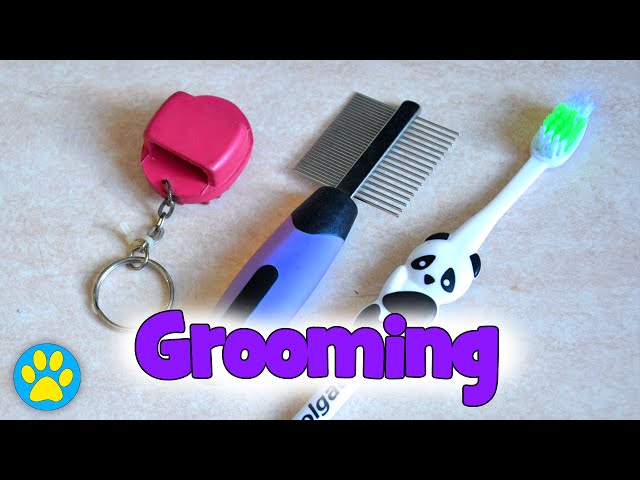
Brushing is the cornerstone of long-haired hamster grooming. The right tools are essential. A soft-bristled brush is great for general smoothing and removing loose fur. A metal comb with rounded tips is invaluable for gently working through tangles and preventing mats. Grooming gloves, with rubber bristles, can be a good option for hamsters who dislike being brushed directly.
When brushing, always work with the direction of the fur growth. Apply gentle pressure to avoid irritating the skin. Start with short strokes and gradually increase the duration as your hamster becomes more comfortable. Avoid brushing sensitive areas like the face and ears, unless absolutely necessary, and then proceed with extreme caution.
The key to successful brushing is to make it a positive experience. Offer treats during and after the session. Talk to your hamster in a soothing voice. If they start to struggle or seem stressed, stop immediately and try again later. The goal is to create a calm and relaxing environment. I’ve found that starting when they’re young helps them get used to the sensation.
Frequency depends on your hamster’s coat length and condition. Generally, 2-3 times a week is a good starting point, but you may need to brush more often if their fur is prone to tangling. Always supervise your hamster during brushing to ensure they don’t ingest too much fur, which can lead to digestive issues.
Tangle Trouble: Safe Removal
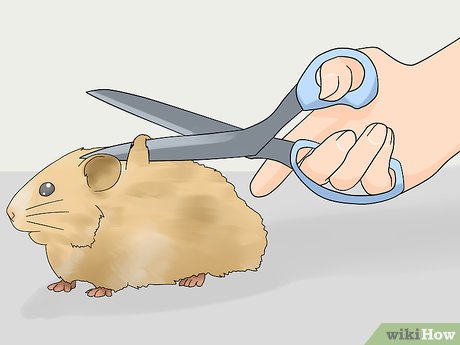
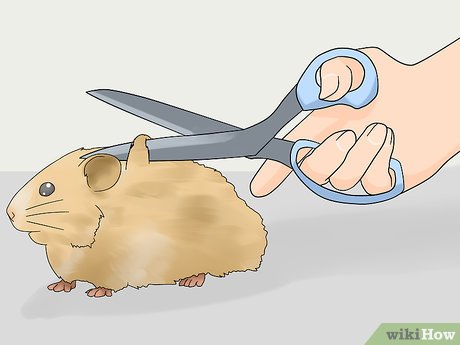
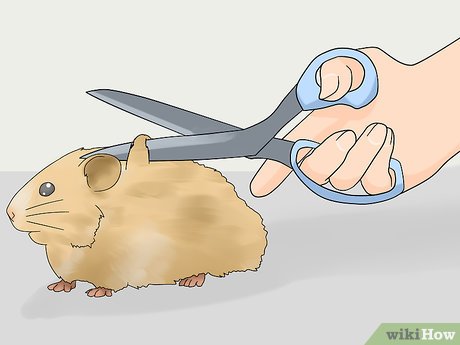
Mats and tangles are inevitable with a long-haired hamster, but addressing them promptly and safely is crucial. Never attempt to pull apart a mat or cut it with scissors – this can cause significant pain and injury. Instead, gently try to tease it apart with a metal comb, working slowly and patiently.
If the tangle is stubborn, a tiny amount of hamster-safe oil, like coconut oil, can help to lubricate the fur and make it easier to detangle. Apply a very small amount to your fingers and gently work it into the mat. However, use oil sparingly, as too much can make the coat greasy.
For severe matting that you can’t safely remove yourself, it’s best to consult a veterinarian or a professional groomer experienced with small animals. They have the tools and expertise to safely remove the mats without causing harm to your hamster. Don't risk injuring your pet by attempting a difficult removal yourself.
Bath Time? A Hamster's Perspective
The topic of bathing hamsters is often debated. Generally, full water baths are not recommended. Hamsters are naturally clean animals and can usually keep themselves well-groomed. A full bath is incredibly stressful for them and carries a significant risk of chilling, illness, and even shock.
Spot cleaning is a much safer alternative. If your hamster gets something sticky or soiled on their fur, use a damp (not wet!) cloth to gently clean the affected area. Avoid getting water near their face, ears, and eyes. Ensure the cloth is lukewarm, not cold or hot.
If a bath is absolutely unavoidable – for example, if they get covered in something toxic – proceed with extreme caution. Use lukewarm water, a hamster-safe shampoo (available at most pet stores), and rinse thoroughly. Immediately dry them with a soft towel and, if possible, a low-heat hairdryer (held at a safe distance). But truly, avoid baths if at all possible. Prevention is always the best approach.
- Use lukewarm water
- Apply hamster-safe shampoo
- Rinse thoroughly
- Dry immediately with a towel and low-heat hairdryer (optional)
Diet & Coat Health: It's Connected
A hamster’s diet plays a significant role in the health of their coat. Essential fatty acids, like omega-3 and omega-6, are crucial for maintaining a shiny, healthy coat. You can provide these through foods like flaxseed and sunflower seeds (in moderation, as sunflower seeds are high in fat).
Hamster Now offers extensive guides on hamster nutrition, emphasizing the importance of a balanced diet. A diet lacking in essential nutrients can lead to a dull, brittle coat and increased shedding. Ensure your hamster has access to a high-quality hamster food supplemented with fresh vegetables and occasional treats.
Dehydration can also negatively impact coat health. Make sure your hamster always has access to fresh, clean water. A well-hydrated hamster will have a healthier, more vibrant coat. Consider offering hydrating fruits and vegetables like cucumber or watermelon in small amounts.
Grooming Tools: 2026 Standouts
As of 2026, several grooming tools consistently receive positive reviews from hamster owners. The JW Pet Company Fine Tooth Comb is a popular choice for gently removing tangles and loose fur, and typically retails around $8-$12. It’s designed with rounded tips to prevent skin irritation. For general smoothing, the Kaytee Soft Bristle Brush, priced around $6-$10, is a reliable option.
If your hamster tolerates it, a grooming glove like the HandsOn Gloves All-in-One Pet Grooming Glove (around $15-$20) can be effective for removing loose fur during petting. For nail trimming, which contributes to overall paw and coat health, the JW Pet Company Small Animal Nail Clipper is a safe and easy-to-use option, usually costing $5-$8.
When selecting tools, consider your hamster’s size and coat length. Smaller hamsters will benefit from smaller brushes and combs. For particularly long or thick coats, a metal comb with closely spaced teeth is essential. Price point is also a factor; you don’t need to spend a fortune to get effective tools, but investing in quality will ensure they last and are gentle on your hamster’s skin.
Grooming Tool Decision Matrix
| Tool Type | Best For | Hamster Size Suitability | Ease of Use | Price Range |
|---|---|---|---|---|
| Soft Bristle Brush | Daily fluffing and removing loose fur | All sizes | Very Easy | Low |
| Metal Comb | Detangling minor mats and removing undercoat | Medium to Long-haired hamsters | Easy | Low to Moderate |
| Grooming Glove | Gentle all-over brushing, good for sensitive hamsters | Small to Medium | Easy | Moderate |
| Nail Clippers | Trimming overgrown nails | All sizes (requires careful technique) | Difficult - requires practice | Moderate |
| Small Toothcomb | Removing small knots and debris | Small to Medium | Moderate | Low to Moderate |
| Fine-toothed Flea Comb | Detecting and removing parasites (though rare in pet hamsters), also helps with loose fur | All sizes | Moderate | Low |
| Blunt-tipped Scissors | Carefully trimming small, isolated knots (use with extreme caution) | All sizes (use with extreme caution) | Difficult - requires experience | Moderate |
Illustrative comparison based on the article research brief. Verify current pricing, limits, and product details in the official docs before relying on it.
No comments yet. Be the first to share your thoughts!