

Meet the Contenders: Syrian vs. Winter White
When you’re thinking about bringing a hamster into your life, you’re immediately faced with choices. Two of the most popular hamster types are the Syrian hamster—sometimes called the golden hamster—and the Winter White Dwarf hamster. Both are undeniably cute, but they have very different personalities and needs. Understanding these differences is the first step to providing the best possible care for your new companion.
Syrian hamsters, scientifically known as Mesocricetus auratus, originate from the desert regions of Syria. They’re the largest of the commonly kept hamster species, known for their relatively docile temperament when properly handled. Winter White Dwarf hamsters, or Phodopus sungorus, come from the steppes of Siberia and Mongolia. They are much smaller and a bit more energetic, with a fascinating ability to change color with the seasons.
Both species require dedicated owners willing to provide appropriate housing, enrichment, and a proper diet. This isn’t a decision to take lightly. A hamster’s lifespan is relatively short—typically two to three years for a Syrian and 1.5 to 2 years for a Winter White—so you’re making a commitment for the entirety of their lives. They aren’t low-maintenance pets, despite their small size.
I often tell people that choosing between a Syrian and a Winter White isn't about which one is 'better,' it’s about which one better fits your lifestyle and experience level. A Syrian might be more suitable for a first-time owner, while a Winter White requires a bit more knowledge and attention to detail. Let's break down the specifics, so you can make an informed decision.
Size and Lifespan: A Clear Difference
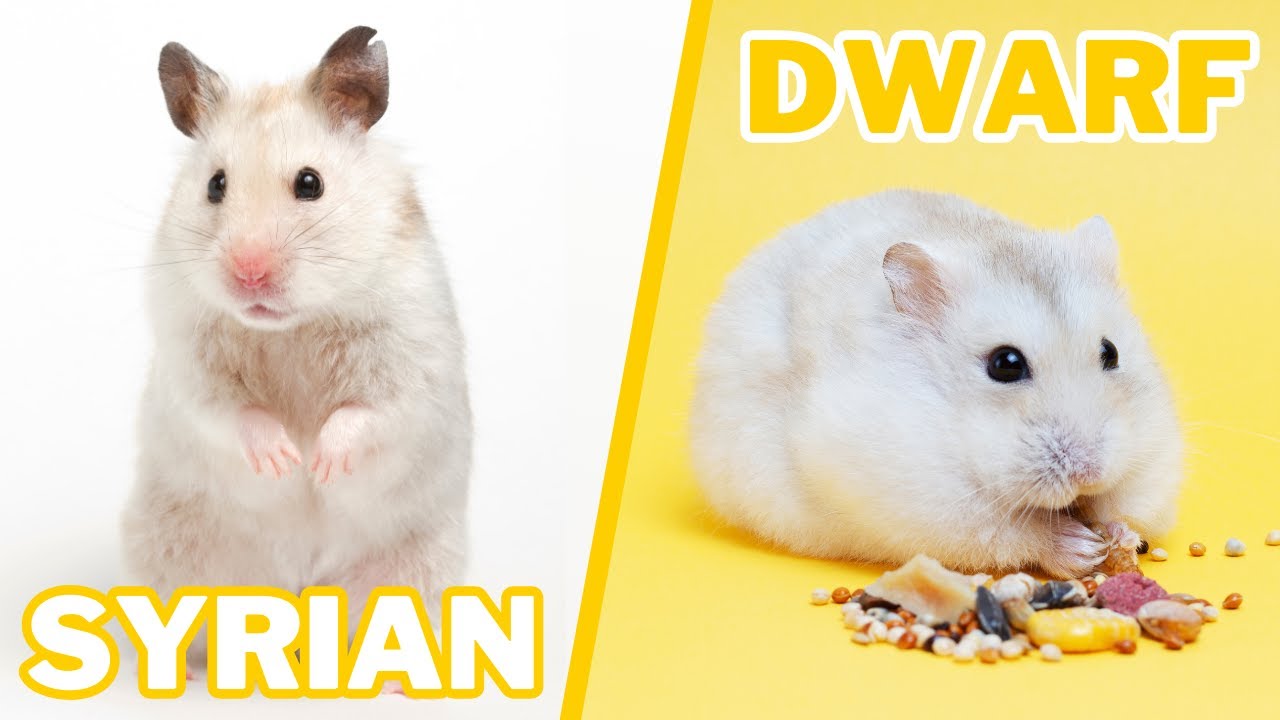
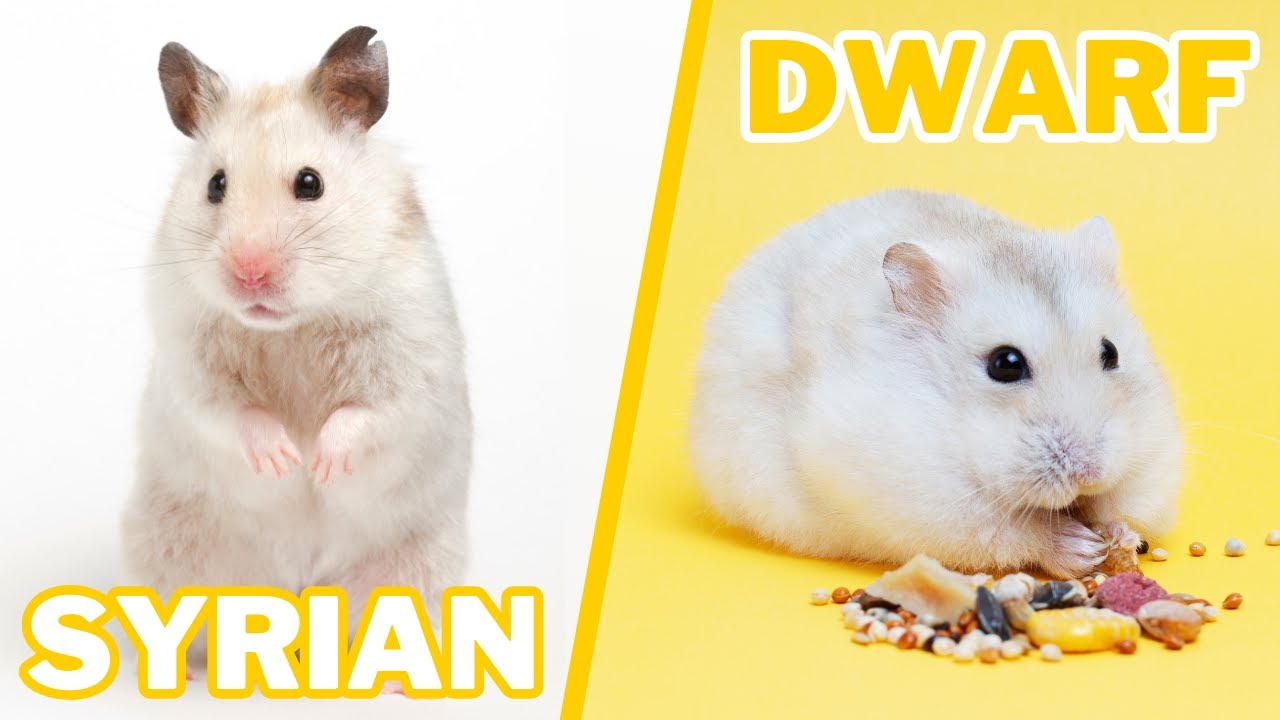
The size difference between these two hamster types is immediately noticeable. Syrian hamsters typically grow to be 5-7 inches long, making them considerably larger than Winter White Dwarf hamsters, which usually reach only 3-4 inches in length. This size disparity impacts everything from cage requirements to the types of toys they need.
Lifespan also differs. Syrian hamsters generally live for 2-3 years, though some may live slightly longer with exceptional care. Winter White Dwarf hamsters, unfortunately, have a shorter lifespan, typically averaging 1.5-2 years. Genetics, diet, and overall health play a significant role in determining a hamster’s longevity. A consistently healthy environment and quality food can help maximize their lifespan.
It's important to remember these are averages. I've seen Syrians live past three years with excellent care, and occasionally a Winter White might reach the two-year mark. However, prospective owners should be prepared for a shorter commitment with the dwarf hamster. Knowing this upfront helps manage expectations.
- Syrian Hamster: 5-7 inches, 2-3 years
- Winter White Dwarf Hamster: 3-4 inches, 1.5-2 years
Winter White Dwarf Hamster vs. Syrian: A Care Comparison
| Feature | Syrian Hamster | Winter White Dwarf Hamster |
|---|---|---|
| Average Length | Larger, typically 5-7 inches | Smaller, typically 3-4 inches |
| Average Weight | Higher, 4-8 ounces | Lower, 1-3 ounces |
| Average Lifespan | Generally 2-3 years | Generally 1.5-2 years |
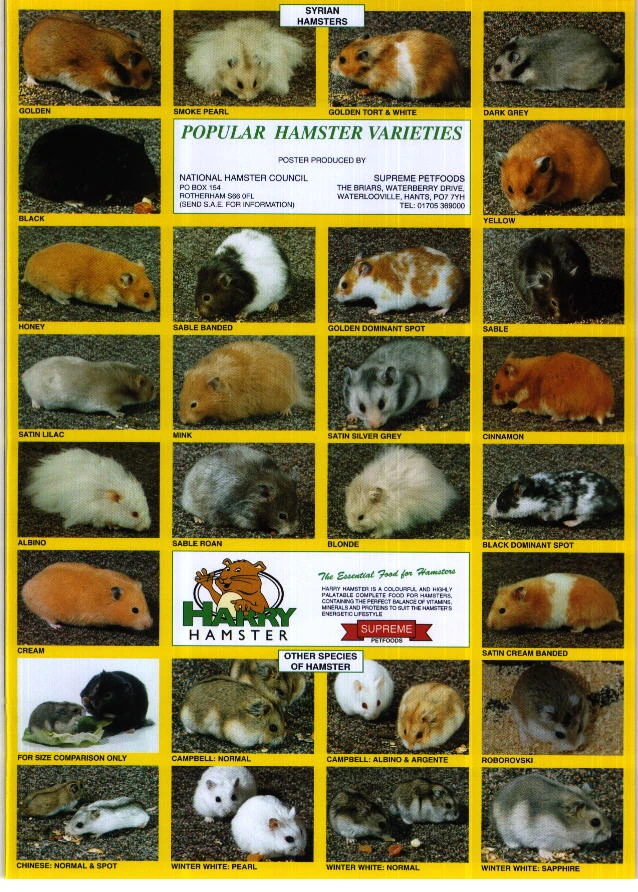
| Common Color Variations | Wide range including golden, cinnamon, sable, black | Typically white in winter, grey/brown in summer; can include shades of blue |
| Social Behavior | Solitary; must be housed alone | Can sometimes be kept in same-sex pairs or small groups *if* introduced young and provided ample space, though solitary housing is still recommended |
| Minimum Cage Size | Larger cage needed due to size | Smaller cage can be used, but still requires adequate enrichment |
| Temperament | Generally more docile and easier to handle | Can be more skittish and quick-moving, requiring gentle handling |
| Activity Level | Moderate activity, periods of rest and activity | Higher activity levels, particularly at night |
Qualitative comparison based on the article research brief. Confirm current product details in the official docs before making implementation choices.
Housing Needs: Space is Key
Providing adequate housing is paramount for both species, but the requirements differ significantly. Syrians, being larger, need considerably more space. The minimum recommended cage size for a Syrian hamster is 450 square inches of floor space—and bigger is always better. Winter White Dwarf hamsters can get away with slightly less, needing at least 360 square inches.
Beyond floor space, enrichment is critical. Syrians benefit from a variety of toys, including large wheels (at least 11-12 inches in diameter to prevent back strain), tunnels, chews, and climbing structures. Winter Whites also need enrichment, but their smaller size means the toys need to be appropriately scaled. A wheel of at least 8 inches is essential.
Bar spacing is another crucial consideration, especially for Winter White Dwarf hamsters. Their small size allows them to squeeze through surprisingly narrow gaps. A cage with bars spaced no more than ¼ inch apart is necessary to prevent escapes. Syrians, being larger, are less likely to escape through bars, but still require secure enclosures. I’ve seen too many hamsters lost because of inadequate bar spacing.
Consider the material of the cage as well. Wire cages offer good ventilation, but solid-bottomed cages are preferable to prevent bumblefoot (a painful foot condition). Avoid cages with wire floors at all costs. Glass tanks or plastic bins can also be used, but ventilation must be carefully managed to prevent ammonia buildup. Here are some options to consider:
• Habitrail Ovo Loft Habitat (Syrian and Dwarf)
• Midwest Homes for Pets iCrate (Syrian only - needs modification for bars)
• Detolf cabinet from IKEA (popular DIY option for both)
- Syrian Minimum: 450 sq inches, 11-12 inch wheel
- Winter White Minimum: 360 sq inches, 8 inch wheel
- Bar Spacing: ¼ inch or less for Winter Whites
Featured Products

Spacious 774 sq inch floor space suitable for both dwarf and Syrian hamsters. · Stackable design allows for expansion and customization. · Features top access for easy cleaning and interaction.
This large, stackable metal cage provides ample space and ventilation, ideal for active hamsters.

Three-layer design offers vertical space for exploration. · Includes essential accessories like stairs, fences, and a swing. · Pastoral style with acrylic panels for viewing.
This compact wooden cage offers a multi-level environment with included accessories for smaller dwarf hamsters.

Comes with a free water bottle, exercise wheel, food dish, and hide-out. · Generous dimensions provide a comfortable living space. · Designed for easy assembly and maintenance.
A well-equipped starter cage that includes all the necessary accessories for a new hamster owner.

Constructed with chew-resistant acrylic for durability and safety. · Enhanced safety lock system prevents escapes. · Includes a full set of accessories for immediate use.
This secure acrylic habitat offers excellent visibility and is built to withstand chewing, ensuring a safe environment.

Multilevel design with platforms, ladders, and tubes for enrichment. · Includes an exercise wheel for physical activity. · Features a sunroof door for convenient access.
This multilevel plastic and wire cage provides varied levels and connectable tubes for engaging dwarf hamster play.
As an Amazon Associate I earn from qualifying purchases. Prices may vary.
Social Behavior: Solitary Lives
Both Syrian and Winter White hamsters are generally solitary creatures. This means they prefer to live alone and can become stressed or aggressive if forced to share a cage with another hamster. However, there are some nuances to this rule. Syrians absolutely must be housed alone. They are fiercely territorial and will fight, often to the death, if kept together.
Winter White Dwarf hamsters are sometimes kept in same-sex pairs or small groups, but this is a risky endeavor. It only works if the hamsters are introduced at a very young age (before sexual maturity) and have plenty of space and resources to avoid competition. Even then, fights can break out, and it requires constant monitoring.
Signs of stress or aggression to watch for include chasing, biting, squeaking, and fur pulling. If you observe any of these behaviors, you must separate the hamsters immediately. It’s generally safer to assume that Winter Whites are best kept individually. I’ve seen too many seemingly peaceful pairs devolve into violent conflict.
Providing multiple hides and food/water stations can sometimes help reduce conflict in a Winter White group, but it's not a guarantee. It’s far better to err on the side of caution and provide each hamster with its own private space.
- Syrian Hamsters: Must be housed alone.
- Winter White Hamsters: Can sometimes be kept in pairs, but it’s risky and requires careful monitoring.
Diet and Nutrition: What to Feed Them
A balanced diet is essential for maintaining the health of both Syrian and Winter White hamsters. The foundation of their diet should be a high-quality hamster mix, specifically formulated for their needs. Look for mixes that contain a variety of seeds, grains, and pellets. Avoid mixes that are primarily composed of sunflower seeds, as these are high in fat and can lead to obesity.
Supplement the hamster mix with fresh vegetables and fruits in moderation. Safe options include broccoli, carrots, apples, and bananas. Protein sources, such as mealworms or cooked chicken, should also be offered a few times a week. These are particularly important for growing hamsters or those recovering from illness.
Sugary treats should be given sparingly, if at all. Hamsters are prone to diabetes, especially Winter White Dwarf hamsters, and sugar can exacerbate this condition. Avoid giving them chocolate, candy, or other processed foods. A constant supply of fresh, clean water is also crucial. A water bottle is generally preferable to a water bowl, as it’s less likely to become contaminated.
Many commercially available seed mixes aren’t truly balanced. They often contain too many sunflower seeds and not enough essential nutrients. I recommend supplementing with a small amount of a high-quality pellet food to ensure your hamster is getting everything it needs.
Health Concerns: Common Issues
Like all pets, Syrian and Winter White hamsters are susceptible to certain health problems. Wet tail, a bacterial infection of the intestines, is a serious and often fatal condition. Symptoms include diarrhea, lethargy, and loss of appetite. Respiratory infections are also common, especially in Winter Whites, and can cause sneezing, coughing, and difficulty breathing.
Dental issues, such as overgrown teeth, can occur if hamsters don’t have enough to chew on. Providing plenty of wooden chews and hard foods can help prevent this. Skin problems, such as mites or fungal infections, can also arise, often due to unsanitary living conditions. Regular cage cleaning is essential for preventing these issues.
Winter White Dwarf hamsters are particularly prone to diabetes, so it’s important to monitor their weight and limit their intake of sugary foods. Symptoms of diabetes include increased thirst, frequent urination, and weight loss. If you notice any of these signs, consult a veterinarian immediately.
Preventative care is key. Regular cage cleaning (at least once a week), a healthy diet, and a stress-free environment can go a long way in keeping your hamster healthy. If you notice any unusual symptoms, don’t hesitate to seek veterinary care. Finding a veterinarian experienced with small animals is crucial. Here's a simple step-by-step guide to check your hamster's health:
- Step 1: Check for signs of wet tail (diarrhea, lethargy).
- Step 2: Monitor weight and appetite.
- Step 3: Inspect teeth for overgrowth.
- Step 4: Look for skin issues (mites, redness).
Winter White Color Change: A Unique Trait
One of the most fascinating aspects of Winter White Dwarf hamsters is their ability to change color in the winter months. This phenomenon is triggered by changes in daylight hours. As the days get shorter, their fur gradually turns whiter, providing camouflage against the snowy landscape of their natural habitat.
This color change isn’t a complete transformation. Some hamsters may only experience a slight lightening of their fur, while others may become almost entirely white. The extent of the color change varies depending on the individual hamster and the amount of daylight exposure. It’s a completely natural process and doesn’t cause any harm to the hamster.
Interestingly, hamsters kept indoors with consistent lighting may not exhibit this color change as prominently. The process is driven by hormonal changes in response to decreasing daylight. It’s a beautiful example of how animals adapt to their environment and a unique feature that sets Winter Whites apart from their Syrian counterparts.

Choosing the Right Hamster for You
So, which hamster is right for you? If you’re a first-time hamster owner, I generally recommend a Syrian hamster. They’re larger, more docile, and easier to handle. Their temperament is more predictable, and they are less prone to nipping than Winter Whites. They also require less specialized care in terms of social behavior – you don’t have to worry about the risks of keeping them in pairs.
Winter White Dwarf hamsters are a good choice for experienced hamster owners who are willing to provide them with the extra attention to detail they require. You’ll need to be particularly careful about housing, ensuring adequate bar spacing and providing a secure environment. You’ll also need to be mindful of their dietary needs and potential for diabetes.
Ultimately, the best hamster for you is the one that best fits your lifestyle and experience level. Regardless of which species you choose, responsible pet ownership is paramount. This means providing a spacious and enriching habitat, a healthy diet, and regular veterinary care. Research is key. Don't rush the decision.
Before bringing a hamster home, make sure you're prepared for the commitment. They may be small, but they deserve a loving and dedicated owner. A little research goes a long way in ensuring a happy and healthy life for your furry friend.
- Syrian: Best for first-time owners, docile temperament, requires a larger cage.
- Winter White: Best for experienced owners, requires careful attention to housing and diet, prone to diabetes.
Which hamster did you choose and why?
Whether you went with the larger Syrian or the compact Winter White Dwarf, we want to hear from you. Your experience can help fellow hamster owners make the right choice for their home. Vote below and share your reasoning in the comments!


No comments yet. Be the first to share your thoughts!