

A Cozy Home Doesn't Have to Be Pricey
Bringing a hamster into your life is exciting! These little creatures are full of personality and can bring so much joy. But it’s easy to get overwhelmed by the potential costs of setting up a proper habitat. You see all these elaborate cages and expensive accessories online, and it can feel daunting. I want to assure you that a happy, healthy hamster doesn't require a fortune.
A good hamster habitat isn’t just about aesthetics; it’s about providing a safe, stimulating, and comfortable environment for your pet. This directly impacts their physical and mental wellbeing. A stressed or bored hamster can develop health problems, so investing in a suitable habitat is an investment in their overall quality of life. Don't fall into the trap of thinking bigger price tag automatically equals better care.
This article is dedicated to creating the perfect hamster habitat without emptying your wallet. We’ll explore cost-effective options for cages, bedding, toys, and food, showing you how to provide a wonderful home for your furry friend on a budget. We’ll focus on smart shopping, DIY solutions, and prioritizing what truly matters to your hamster’s happiness.
Cage Choices: Beyond the Brand Names
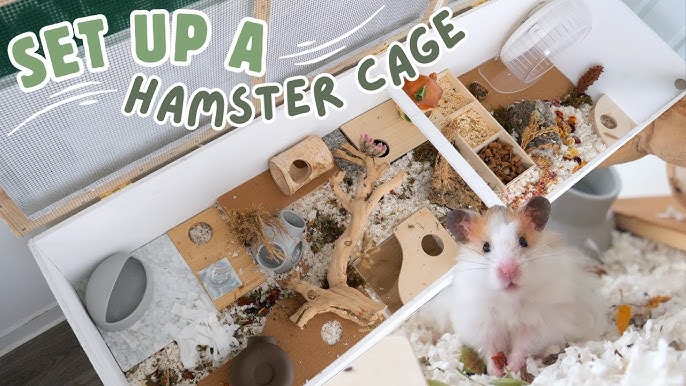
The cage is the foundation of your hamster’s habitat, and it’s often the biggest expense. While brand-name hamster cages can be attractive, they’re not always the most affordable or practical choice. Let's look at some alternatives. Wire cages are popular, offering good ventilation, but they can be expensive and require a solid base to prevent escapes and messes. Plastic bin cages, on the other hand, are incredibly budget-friendly.
A large storage bin – the kind you find at most discount stores – can be easily converted into a spacious and secure hamster home. Tanks (aquariums) are another option, providing excellent visibility and preventing bedding from being kicked out, but they can be heavy and don’t offer the best ventilation without a mesh lid. The key is size. The minimum floor space for most hamsters is 450 square inches, but bigger is always better. A larger cage allows for more enrichment and natural behaviors.
If you're considering a DIY bin cage, remember that ventilation is crucial. You’ll need to cut out sections of the lid and cover them with wire mesh. Bar spacing is also important, especially for dwarf hamsters, who can squeeze through wider gaps. For Syrian hamsters, a spacing of around ½ inch is ideal, while dwarf hamsters need ¼ inch or smaller. I've found that a large under-bed storage container works wonderfully, costing around $20-$30 with mesh added.
Don't underestimate the power of creativity. Think outside the box and repurpose items you already have. A multi-level cage can be created using multiple smaller bins connected by tubes, offering your hamster plenty of space to explore. Just ensure everything is securely fastened and safe for your pet.
- Wire Cages: Good ventilation, can be expensive.
- Plastic Bin Cages: Very affordable, customizable, requires ventilation.
- Tanks: Excellent visibility, prevents messes, can be heavy and lack ventilation.
Habitat Options & Costs
- Wire Cages - Commonly available at PetSmart and Petco, wire cages offer good ventilation. Budget Friendliness: 3/5. Ventilation: 4/5. Expect to pay $40 - $80 for a suitable size.
- Plastic Bin Cages (DIY) - Utilizing large storage bins from stores like Target or Walmart is a very affordable option. Budget Friendliness: 5/5. Ventilation: 2/5 (requires modification with mesh). Cost: $20 - $40 (plus mesh for ventilation).
- Glass Tanks - 20-gallon long tanks are a popular choice, providing a secure and escape-proof environment. Budget Friendliness: 2/5. Ventilation: 3/5 (requires a mesh lid). Price range: $60 - $120.
- Plastic Modular Cages - Brands like Habitrail offer connectable plastic cages. Budget Friendliness: 3/5. Ventilation: 3/5. Initial setup costs can be around $50 - $100, with potential for expansion.
- DIY Wooden Cages - Building a cage from wood (untreated pine is often recommended) allows for customization. Budget Friendliness: 4/5. Ventilation: 4/5 (dependent on design). Cost: $30 - $70 (depending on wood and mesh costs).
- Critter Nation Single-Level Cages - While initially designed for small animals like ferrets, the single-level Critter Nation cage can be adapted for hamsters. Budget Friendliness: 2/5. Ventilation: 5/5. Price: $120 - $180.
Bedding: Softness and Savings
Bedding is essential for burrowing, nesting, and absorbing odors. The cost can add up quickly, so choosing the right option is important. Paper-based bedding, like Kaytee Clean & Cozy, is a popular choice, offering good absorbency and dust control, but it can be relatively expensive. Aspen shavings are a more affordable option, but some hamsters may be sensitive to the oils. Hemp bedding is gaining popularity, offering excellent absorbency and odor control, but it can be harder to find and more costly upfront.
Fleece liners are a reusable option that can save money in the long run, but they require regular washing. I personally prefer a mix of paper-based bedding for burrowing and a small fleece area for nesting. It provides the best of both worlds. Always avoid cedar and pine shavings, as they contain oils that can be harmful to hamsters’ respiratory systems. This is non-negotiable.
To maximize the lifespan of your bedding, spot clean daily, removing any soiled areas. A full bedding change should be done every 1-2 weeks, depending on the size of the cage and the number of hamsters. Sifting the bedding can help remove waste and allow you to reuse some of the clean material. A good quality bedding will stretch further and require less frequent changes.
Bedding Options Comparison: Cost & Suitability
| Bedding Type | Cost | Absorbency | Dust Level | Burrowing Potential |
|---|---|---|---|---|
| Paper-Based Bedding | Generally Lower | Medium | Low | Good, packs well |
| Aspen Shavings | Moderate | Medium | Low | Good, natural texture |
| Pine Shavings | Lower | High | Medium | Good, but avoid kiln-dried |
| Carefresh (Paper) | Higher | High | Low | Excellent, very soft |
| Hemp Bedding | Moderate to Higher | Very High | Very Low | Good, holds shape well |
| Fleece Liners | Initial Cost Higher, Reusable | Low (requires frequent washing) | None | Not Suitable for burrowing, requires substrate underneath |
| Hay (Timothy or Orchard) | Lower | Low | Moderate | Excellent, natural burrowing material, needs frequent spot cleaning |
Qualitative comparison based on the article research brief. Confirm current product details in the official docs before making implementation choices.
Enrichment on a Dime: Toys & Activities
A stimulating environment is crucial for a hamster’s mental wellbeing. Fortunately, you don’t need to spend a lot of money to provide enrichment. Cardboard tubes, toilet paper rolls, and paper towel rolls are all excellent (and free!) toys. Just make sure to remove any glue or tape. Wooden chews are also a good option, but ensure they are made from safe woods like apple, pear, or birch. Avoid pine and cedar.
Variety is key. Rotate toys regularly to keep your hamster interested. A simple foraging toy can be made by hiding treats inside a crumpled piece of paper or inside a cardboard tube. Puzzle feeders are also a great way to challenge your hamster and provide mental stimulation. You can find affordable options online or even make your own using small containers and cardboard.
Provide different textures and materials for your hamster to explore. A piece of plain cardboard, a small rug, or a ceramic tile can all add interest to their habitat. A sand bath is also essential for many hamsters, allowing them to clean their fur and satisfy their natural instincts. A small dish filled with children’s play sand (ensure it’s dust-free) is all you need. I’ve had great success with a simple collection of cardboard boxes arranged in a maze – my hamster loved exploring the different tunnels.
- Step 1: Collect cardboard tubes and boxes.
- Step 2: Ensure all items are free of glue and tape.
- Step 3: Arrange the items in the cage to create tunnels and hiding spots.
- Step 4: Rotate toys regularly to keep your hamster engaged.
Food & Water: Smart Shopping Strategies
A healthy hamster diet consists primarily of a high-quality hamster food mix, supplemented with fresh vegetables and fruits. Look for mixes that are seed-based but also contain pellets to ensure a balanced nutritional profile. Avoid mixes with a lot of sugary treats or fillers. Buying in bulk can save money, but make sure to store the food in an airtight container to prevent it from going stale.
Supplementing with fresh vegetables and fruits is important, but only offer small amounts and ensure they are safe for hamsters. Safe options include broccoli, carrots, apples (without seeds), and bananas. Avoid citrus fruits, onions, and chocolate. A small portion, about a teaspoon, is usually sufficient. I find that buying frozen vegetables is a cost-effective way to provide variety.
When it comes to water, you have two options: a water bottle or a bowl. Water bottles are generally more hygienic, but some hamsters may have trouble using them. A heavy ceramic bowl is a good alternative, but it needs to be cleaned and refilled frequently. Regardless of which option you choose, ensure the water is fresh and clean at all times.
Amazon Finds: Budget-Friendly Essentials
Amazon is a treasure trove of affordable hamster products. Here are a few recommendations, as of late 2026, to get you started. The Midwest Homes for Pets Guinea Pig Habitat is often available for around $60 and can be easily adapted for hamsters (ensure bar spacing is appropriate). It’s a good starting point if you want a wire cage without the premium price tag.
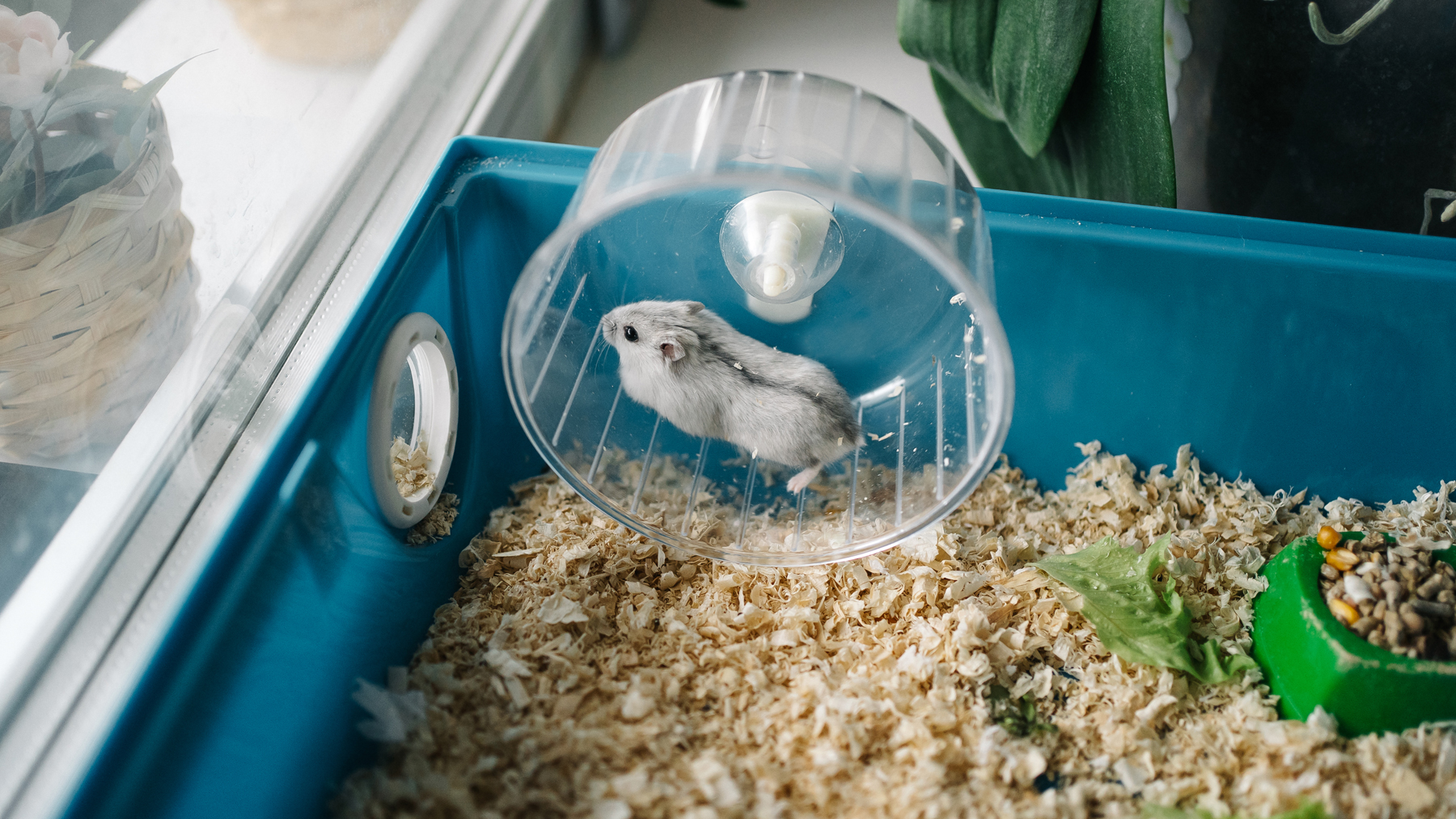
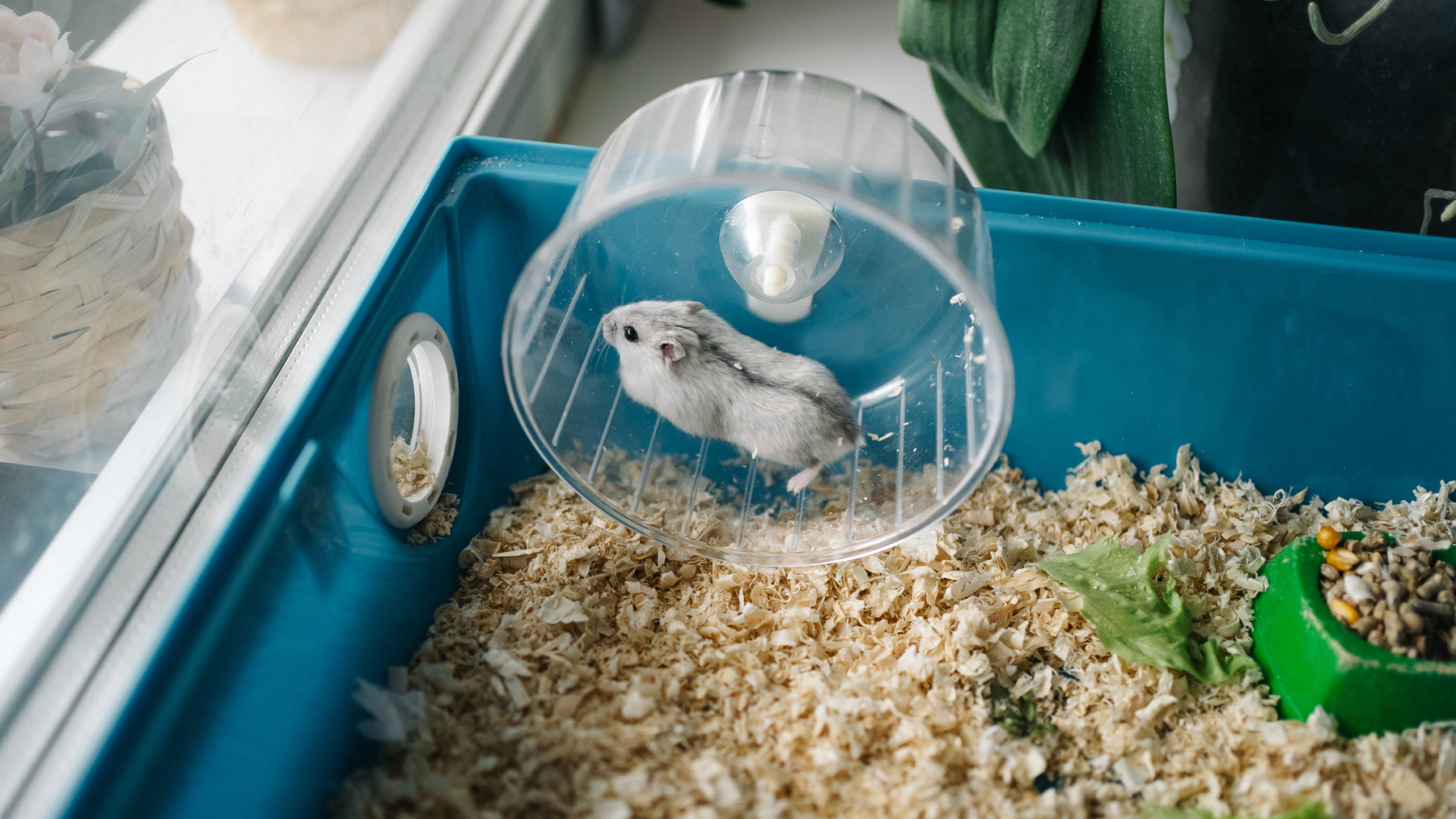
For bedding, the Kaytee Clean & Cozy Small Animal Bedding is a reliable choice, typically priced around $20 for a large bag. If you’re looking for a more affordable option, the Carefresh Natural Paper Bedding is around $15. In terms of toys, the JW Pet Company Roller Wheel is a popular and inexpensive option, usually under $15.
Looking for foraging toys? The Trixie Pet Products Digging Box is a great way to encourage natural behaviors and provide mental stimulation, often available for around $20. For a sand bath, the Little Cloud 9 Reptile Sand is a safe and affordable option, costing around $10 for a 5-pound bag. I also recommend the Nite Angel Small Animal Food Dish, a ceramic bowl that is both durable and easy to clean, priced around $8.
It's worth checking customer reviews before making any purchases. Pay attention to comments about the product's durability, safety, and suitability for hamsters. Amazon often has sales and discounts, so keep an eye out for deals. Don't be afraid to compare prices from different sellers.
- Midwest Homes for Pets Guinea Pig Habitat: ~$60
- Kaytee Clean & Cozy: ~$20
- JW Pet Company Roller Wheel: ~$15
- Trixie Digging Box: ~$20
- Little Cloud 9 Reptile Sand: ~$10
- Nite Angel Food Dish: ~$8
Featured Products

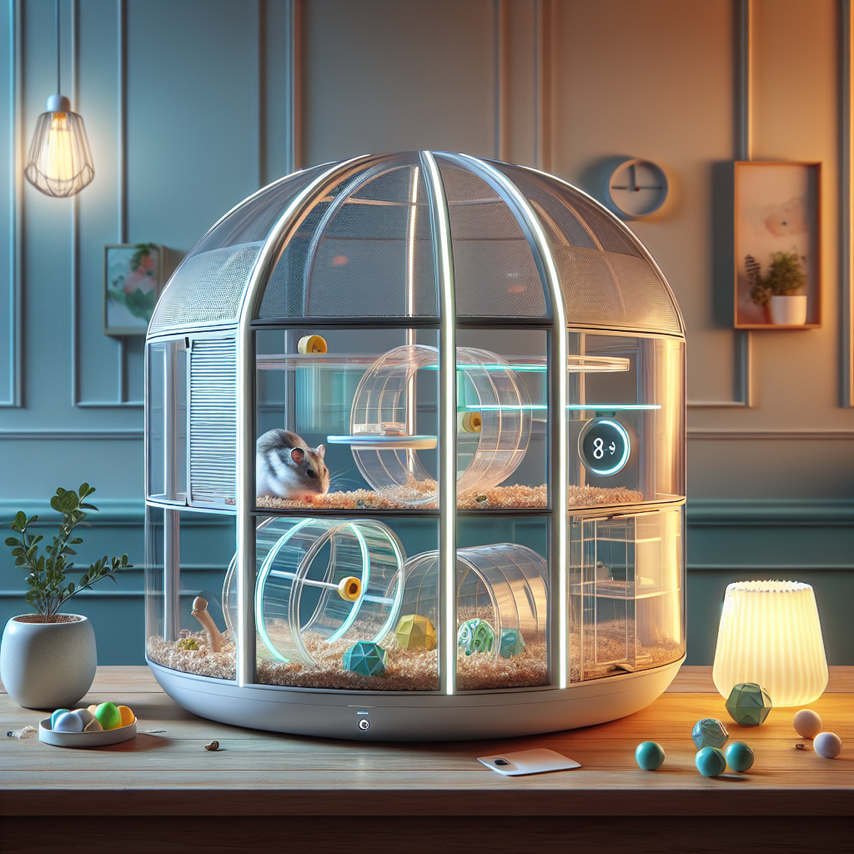
Expandable habitat design · Promotes exploration and exercise · Easy assembly and compatibility
This kit provides an affordable way to significantly increase a hamster's living space and encourage natural burrowing and climbing behaviors.
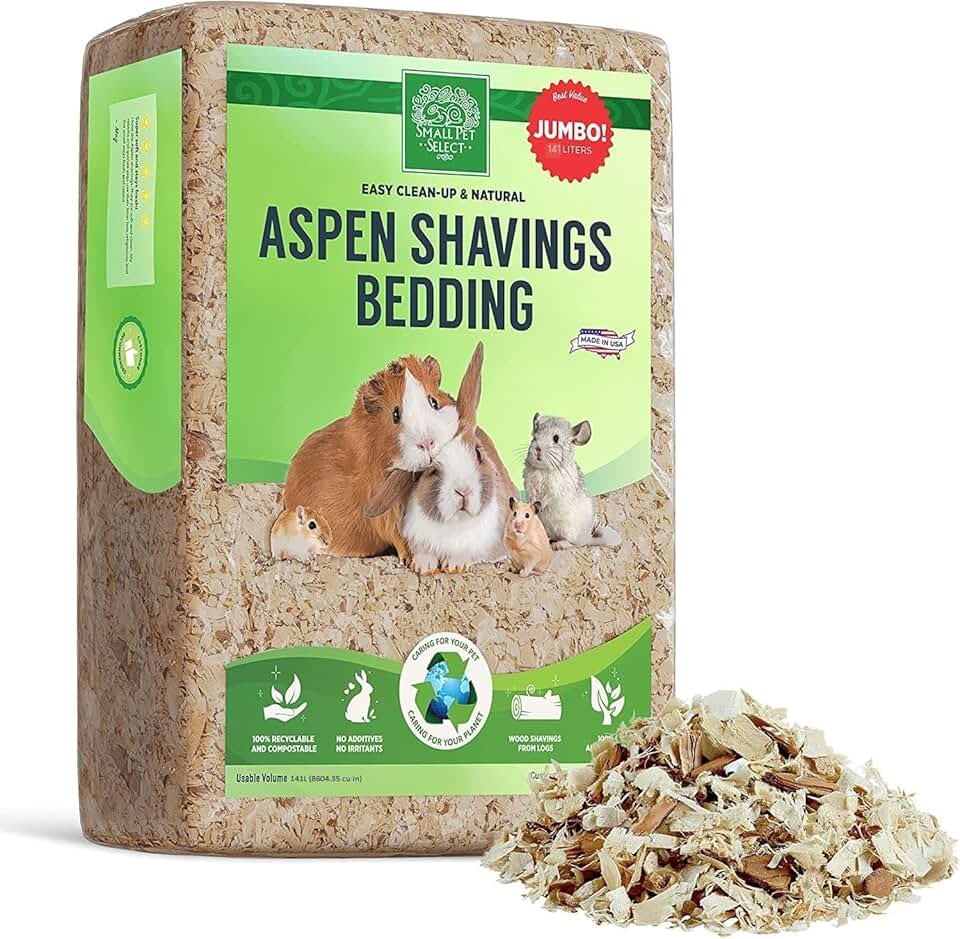
Dust-extracted aspen shavings · High absorbency and odor control · Made in the USA
This large pack of natural aspen bedding offers superior absorbency and a safe, dust-free environment for burrowing at a budget-friendly price.
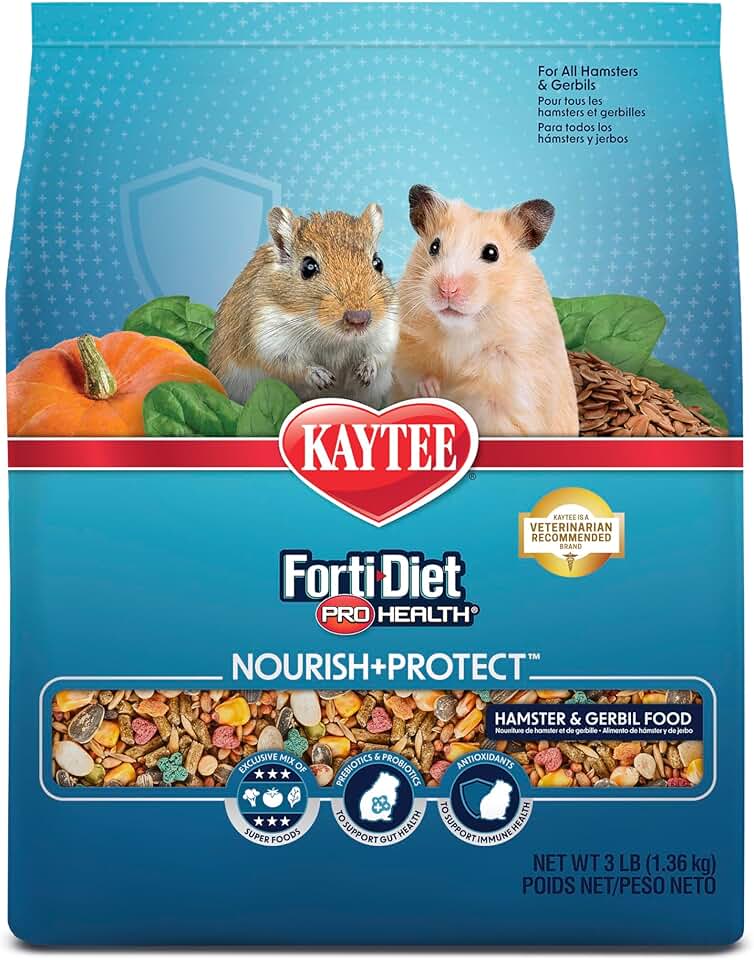
Supports digestive and immune health · Comprehensive nutrition · Scientifically formulated
This affordable and nutrient-rich food provides essential vitamins and minerals for a healthy hamster diet, supporting overall well-being.

Super-silent operation · Smooth and safe running surface · Adjustable stand for habitat placement
This quiet and durable exercise wheel offers essential enrichment for your hamster's physical health without an excessive price tag.

Made from 100% natural hyacinth · Provides a safe chewing option · Encourages natural burrowing and hiding behaviors
This natural hyacinth tunnel offers a safe and engaging way for hamsters to satisfy their chewing instincts and explore, adding natural enrichment to their habitat.
As an Amazon Associate I earn from qualifying purchases. Prices may vary.
Long-Term Savings: Maintenance & Health
Preventative care is the key to long-term savings. Regular cage cleaning – spot cleaning daily and a full clean every 1-2 weeks – will help prevent the build-up of bacteria and odors. A clean environment is essential for your hamster’s health. Disinfect the cage and accessories with a pet-safe disinfectant. Monitoring your hamster for any signs of illness, such as changes in appetite, lethargy, or discharge, is also crucial.
A stress-free environment is equally important. Provide your hamster with plenty of hiding places and avoid sudden noises or movements. A happy hamster is a healthy hamster. Learning to recognize the early signs of illness can save you a costly vet bill down the road. Familiarize yourself with common hamster health problems and their symptoms.
Extending the life of your hamster’s habitat is also a way to save money. Replace worn-out toys and accessories as needed, but try to repair items whenever possible. A well-maintained cage will last longer and provide a safe and comfortable home for your furry friend for years to come. Responsible hamster ownership is about more than just providing a habitat; it’s about providing a lifetime of care.
No comments yet. Be the first to share your thoughts!