

Why cage size matters for lifespan
The primary driver of dwarf hamster longevity is adequate floor space and enrichment, not just the cage type. Many owners assume that a tall, multi-level enclosure is ideal because hamsters climb, but dwarf species like Campbell’s or Winter White are ground-dwellers. They require horizontal territory to run, forage, and establish routines. Confining them to a small footprint triggers chronic stress, which suppresses their immune system and shortens their natural lifespan of two to three years.
Research indicates that dwarf hamsters need at least 450 square inches of continuous, unbroken floor space to thrive. This isn't about total volume; it's about the ground-level area available for exploration. When space is restricted, hamsters often develop stereotypic behaviors, such as bar-biting or excessive pacing, which are clear signs of psychological distress. Providing a larger base allows them to engage in natural burrowing and digging instincts, which are critical for mental health.
Enrichment works in tandem with size. A spacious cage filled with cardboard tubes, tunnels, and deep bedding gives your hamster a complex environment to navigate. Without these elements, even a large cage can feel empty and boring. The goal is to create a habitat that mimics the complexity of their natural environment, encouraging movement and curiosity. This active lifestyle helps maintain a healthy weight and keeps their mind sharp, directly contributing to a longer, happier life.
Top picks for dwarf hamster habitats
Dwarf hamsters, including Campbell’s, Winter White, and Roborovski varieties, share similar needs for space and airflow. Unlike their larger Syrian cousins, dwarfs are social and active, often requiring a floor space of at least 450 square inches to thrive. A well-ventilated cage prevents the buildup of ammonia from urine, which can irritate their sensitive respiratory systems.
When selecting a habitat, prioritize mesh or glass tanks with secure lids over wire cages. Wire bottoms can cause foot injuries, and small bar spacing is essential to prevent escapes. Look for designs that offer multiple levels for climbing but maintain enough solid floor space for running and burrowing.
The following Amazon products represent some of the most highly regarded options for dwarf hamster owners, balancing ventilation, safety, and ease of cleaning.
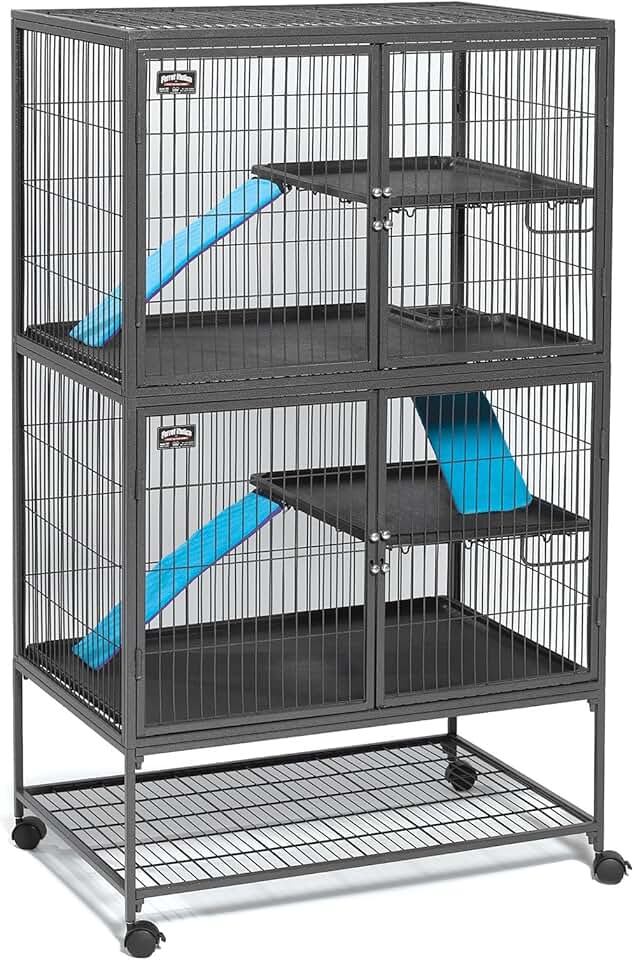


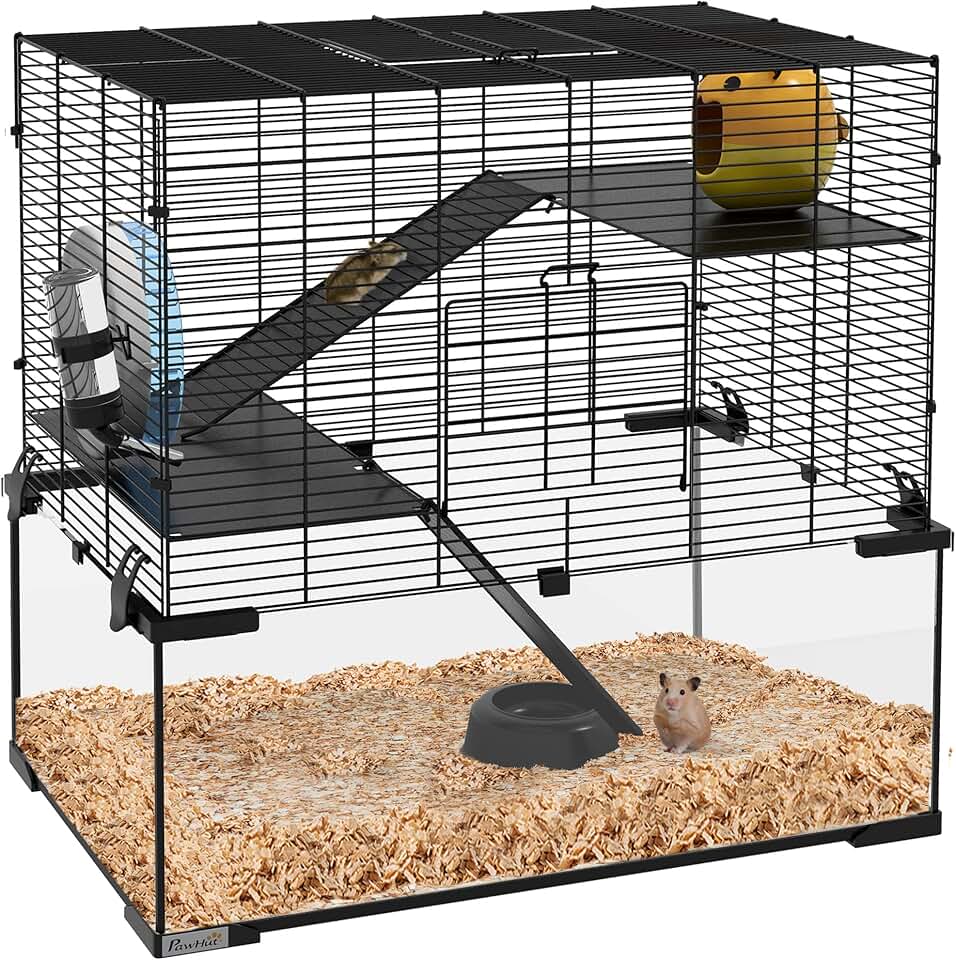

As an Amazon Associate, we may earn from qualifying purchases.
Cage features for long-haired breeds
Long-haired hamsters, including the Syrian (Teddy Bear) variety, require habitats that prioritize fur safety and hygiene over standard enclosure specs. The primary risk for these breeds is tangles and mats, which can trap moisture, dirt, and waste against the skin. This leads to skin infections and significant discomfort. A wire floor is never appropriate for long-haired breeds; the bars will catch their hair, causing pain and potential injury. Instead, solid flooring with deep, absorbent bedding is the only safe option.
Cleaning is another critical factor. Long hair sheds more than short-haired varieties, and this hair accumulates rapidly in corners and on bedding. A cage that is difficult to disassemble or clean will quickly become a breeding ground for ammonia buildup. Look for designs with large, removable tops or wide side doors that allow you to scoop out soiled bedding without disturbing the hamster excessively. Smooth, non-porous surfaces on the base are easier to wipe down than textured plastics that trap hair.
To help you choose the right environment, here is a comparison of common cage types against the specific needs of long-haired hamsters.
The plastic tub setup is often the top recommendation for long-haired Syrians because it eliminates any risk of foot or fur entanglement. However, tanks require careful ventilation management to prevent humidity buildup, which can mat fur. When selecting a cage, always verify that the base is completely solid and that the cleaning process is straightforward enough to maintain weekly hygiene standards.
Essential habitat upgrades for 2026
A basic cage keeps a hamster safe, but specific upgrades turn that enclosure into a thriving environment. Modern accessories focus on reducing stress and encouraging natural behaviors like running and chewing. For dwarf and long-haired breeds, these additions are not just nice-to-haves; they are often necessary for physical and mental health.
Silent wheels and safe chew options
The most impactful upgrade is a high-quality exercise wheel. Standard wire wheels can injure tiny paws, especially in dwarf hamsters, so solid-surface wheels are the standard for 2026 care. Look for wheels made from smooth plastic or wood that operate without squeaking. A silent wheel allows your hamster to run vigorously at night without disturbing your sleep, which is critical since they are nocturnal.
Alongside exercise, chew toys prevent dental overgrowth and boredom. Hamsters’ teeth never stop growing, so they need constant abrasion. Safe options include untreated wood blocks, apple sticks, or dense cardboard tubes. Avoid soft plastics or synthetic fabrics that can be swallowed. These simple items keep their teeth filed down and their minds engaged.
Upgrading the bedding and water source
Bedding choice significantly affects respiratory health. Paper-based or aspen shavings are preferred over cedar or pine, which contain aromatic oils that can irritate sensitive hamster lungs. Deep bedding allows for burrowing, a natural instinct that reduces anxiety. Change the bedding regularly, but leave some soiled material to maintain familiar scents.
Water bottles can clog or leak, causing wetness that leads to skin issues. Upgrade to a glass water bottle with a metal spout. These are easier to clean, less likely to leak, and allow you to monitor water intake more accurately. Pair this with a heavy ceramic food bowl to prevent tipping, ensuring your hamster has consistent access to fresh food and water.
Setting up a safe hamster habitat
Assembling your hamster cage correctly from day one prevents stress and health issues. A well-prepared environment acts like a climate-controlled sanctuary, keeping your dwarf or long-haired hamster safe from drafts and heat spikes.

Place the cage away from direct sunlight, drafts, and high-traffic areas. Hamsters are sensitive to temperature changes; their ideal range is 65 to 75 degrees Fahrenheit. Avoid kitchens or laundry rooms where humidity and noise fluctuate wildly.
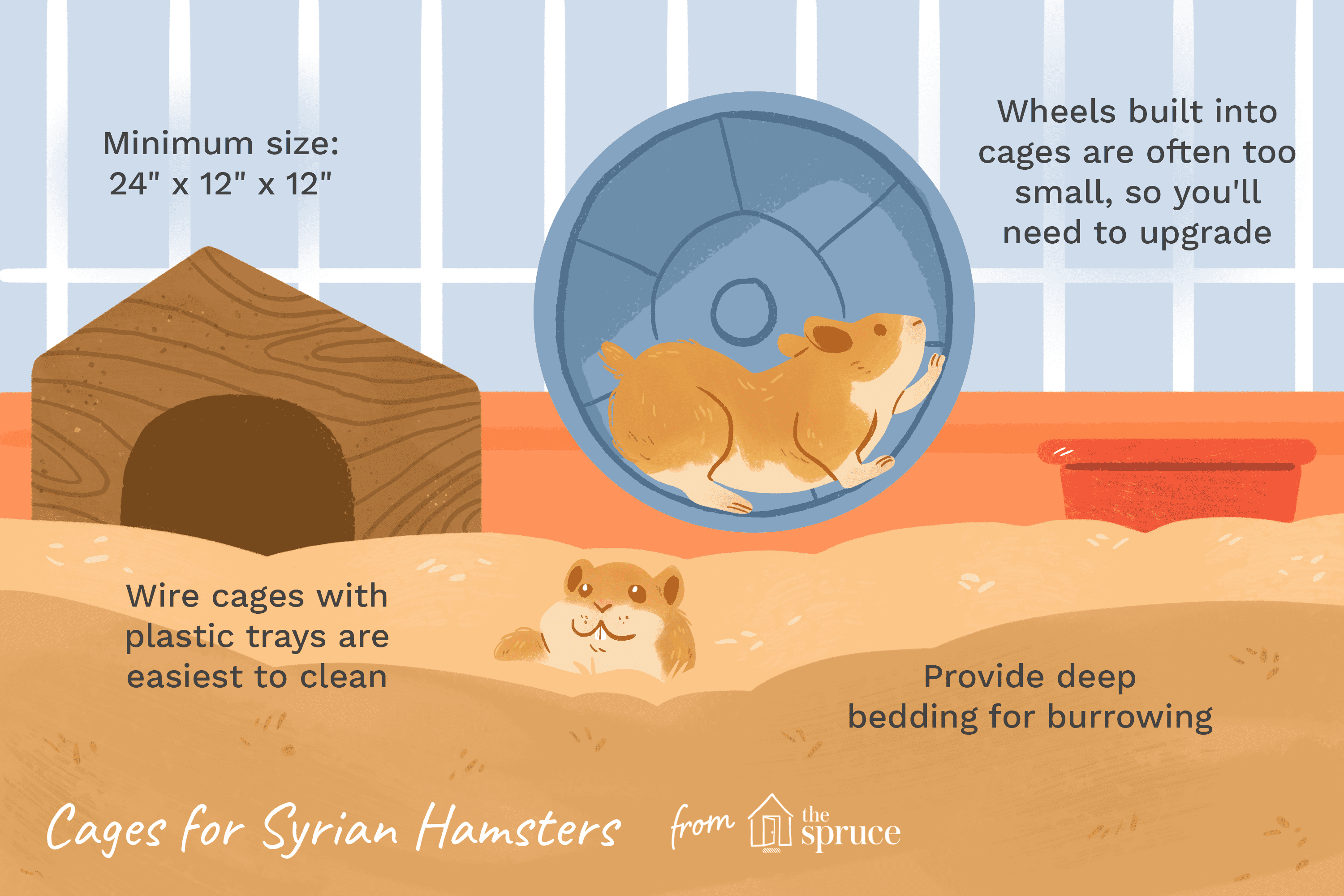
Wire cages or tanks with secure mesh lids offer the best airflow. Proper ventilation prevents ammonia buildup from urine and reduces the risk of respiratory infections, which are common in poorly ventilated enclosures.

Add at least six inches of dust-free bedding like aspen shreds or paper-based substrate. This depth allows natural burrowing behavior, which is essential for mental health. Avoid cedar or pine shreds, as their aromatic oils can damage hamster lungs.

Include a solid-surface exercise wheel, a hideout, and chew toys. These items reduce boredom and stress. Ensure all accessories are stable and cannot tip over, trapping your pet underneath.
Common hamster cage: what to check next
Keeping a hamster cage clean doesn’t mean emptying everything at once. Spot-clean soiled bedding daily to control odor, but leave the clean corners alone. This preserves their scent markers, which keeps them from getting stressed. A full cage wash with mild soap should only happen every few weeks.
Bedding changes depend on the material. Paper-based bedding absorbs moisture well but may need replacing every week. Wood shavings last longer but can harbor dust. For dwarf and long-haired breeds, deep bedding (at least 6 inches) is essential for burrowing, so monitor it closely for compaction.
Space requirements are non-negotiable for health. A single hamster needs a minimum of 450 square inches of floor space. Dwarf hamsters are particularly prone to stress and health issues in cramped cages. Always prioritize floor area over height; a large, flat base is far better than a tall, narrow tower.
No comments yet. Be the first to share your thoughts!