

Choosing the right hamster breed
Selecting the correct hamster type is the first step in building a successful habitat. Not all hamsters are the same, and matching the breed to your experience level and living space prevents behavioral issues and housing conflicts later. Whether you are looking for a beginner-friendly Syrian or a smaller dwarf variety, understanding their natural instincts will guide your setup.
Syrian hamsters: The standard choice
Syrian hamsters, often called Teddy Bear hamsters, are the largest and most common pet hamster. They are solitary by nature and require a spacious enclosure to roam. This breed is ideal for first-time owners because they are generally more tolerant of handling than dwarfs. Their larger size makes them easier to see and interact with, though they do need more floor space than their smaller cousins.
Dwarf hamsters: Social but sensitive
Winter White and other dwarf hamsters are smaller and faster. Some dwarf species, like Campbell’s and Russian dwarfs, can sometimes be housed in same-sex pairs if introduced young, but this carries a high risk of fighting. They are better suited for experienced keepers who can monitor social dynamics closely. Their small size makes them popular for smaller apartments, but their high energy levels require complex enrichment to keep them happy.
Long-haired varieties: Aesthetic considerations
Long-haired Syrians and dwarfs are simply coat variations of the breeds mentioned above. They do not have different care requirements regarding space or diet. However, their fur requires regular grooming to prevent matting, which can be difficult if the hamster is stressed by handling. Choose a long-haired variety only if you are prepared for the extra maintenance involved in keeping their coat healthy.
Best hamster cages for habitat space
Choosing the right cage is the most important decision you’ll make for your hamster. A cramped or unsafe enclosure leads to stress, escape attempts, and health issues. The primary keyword for any hamster owner is space. Hamsters are active foragers that need room to run and explore. A general rule of thumb is a minimum of 450 square inches of floor space, though larger is always better.
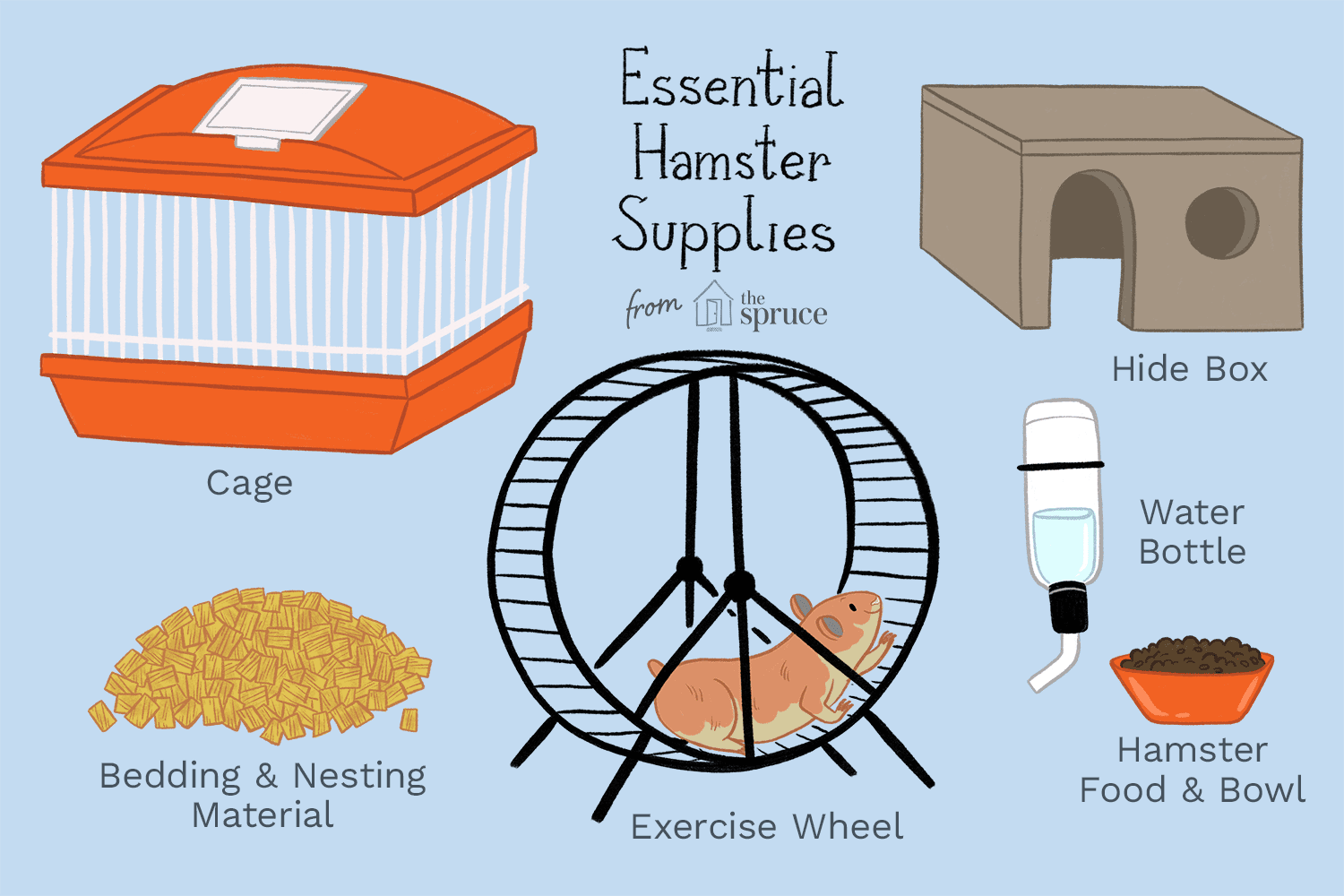
When selecting a hamster cage, look for wide bar spacing to prevent escape and injury. Avoid wire floors, which can cause foot injuries. Solid bases or deep bedding layers are essential for burrowing. The following options provide the safety and space your hamster needs to thrive.


As an Amazon Associate, we may earn from qualifying purchases.
| Cage Type | Min Floor Space | Key Safety Feature |
|---|---|---|
| Plastic Tub | 450+ sq in | No bar spacing risks |
| Wire Tank Topper | 450+ sq in | Secure mesh lid |
| Multi-Level | Varies | Solid ramps, not wire |
Safe hamster food and diet basics
A healthy hamster diet starts with a high-quality staple food. Commercial hamster pellets or seed mixes provide the balanced nutrition your pet needs to thrive. These staples should make up the bulk of their daily intake, ensuring they receive essential vitamins and minerals without the risk of selective eating.
Fresh foods can supplement their diet, but they must be introduced carefully. Small amounts of washed, dry vegetables and fruits offer variety and hydration. Always remove uneaten fresh food within a few hours to prevent spoilage and bacterial growth in the cage.
Some human foods are toxic to hamsters and must be avoided entirely. Items like chocolate, caffeine, raw onions, and citrus fruits can cause serious health issues or be fatal. Stick to safe, hamster-approved treats to keep your pet happy and healthy.


As an Amazon Associate, we may earn from qualifying purchases.
Bedding for Burrowing Instincts
A proper Hamster Now habitat starts with the substrate. Hamsters are natural diggers, and their instinct to burrow is a core part of their well-being. Without enough depth, they cannot create the complex tunnel systems they need to feel secure. This behavior reduces stress and provides essential mental stimulation.
Aim for at least six to eight inches of bedding. This depth allows them to construct multi-chambered nests and hideaways. Shallow layers force them to stay exposed, which can lead to anxiety and repetitive behaviors. Think of the bedding as their private underground world.
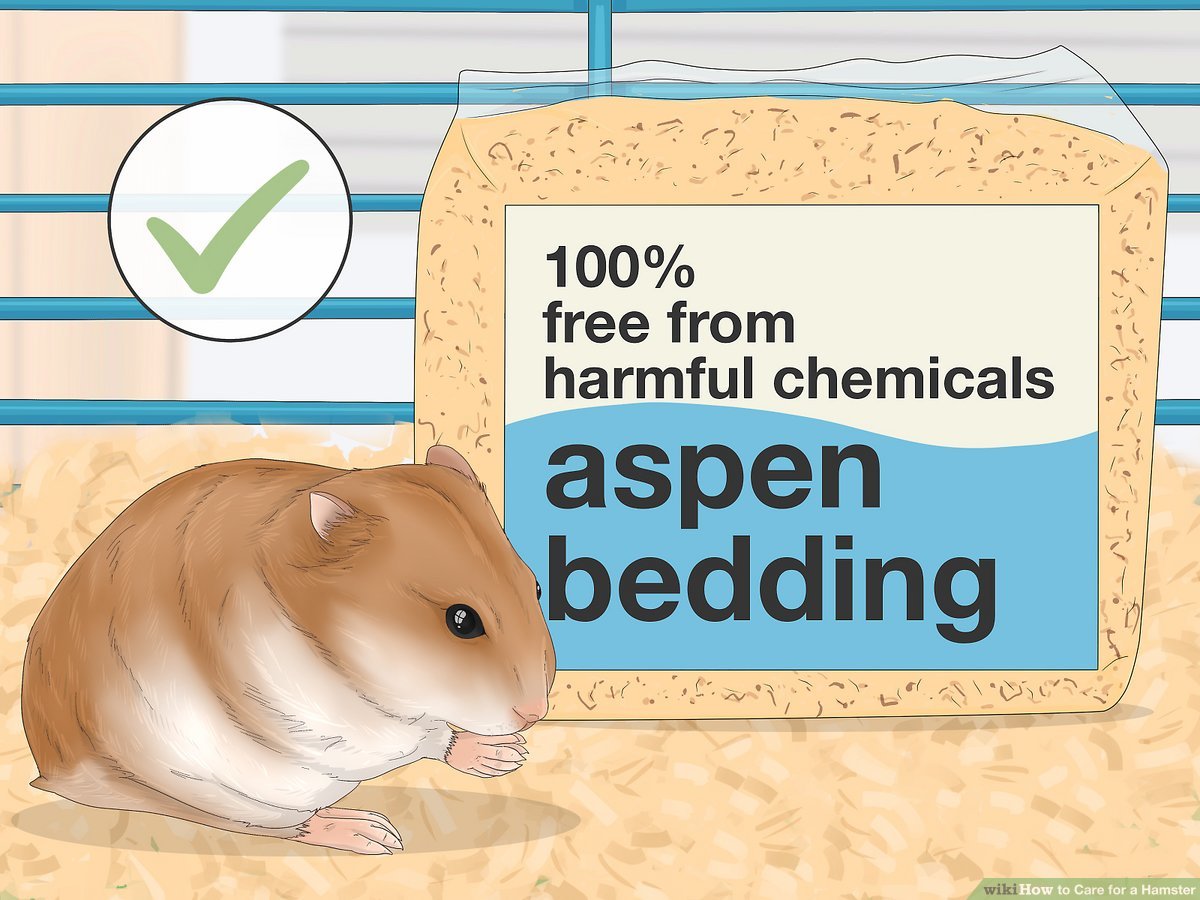
Choose materials that are dust-free and highly absorbent. Dusty substrates can irritate a hamster’s sensitive respiratory system, leading to chronic health issues. Paper-based bedding or aspen shavings are safe, soft options that hold scent and shape well. Avoid cedar or pine shavings, as the aromatic oils can damage their lungs.
The right substrate transforms a simple box into a dynamic environment. It gives your hamster the freedom to express natural behaviors, keeping them active and happy in their new home.
Daily care and temperature tips
Hamster Now works best as a clear sequence: define the constraint, compare the realistic options, test the tradeoff, and choose the path with the fewest hidden costs. That order keeps the advice usable instead of decorative. After each step, pause long enough to check whether the recommendation still fits the reader's actual situation. If it depends on perfect timing, unusual access, or a best-case budget, include a simpler fallback.
Common hamster care: what to check next
New owners often worry about the basics of hamster behavior and health. Understanding these habits helps you provide the right habitat and care for your pet.
No comments yet. Be the first to share your thoughts!