

Meet the Hamsters: A Visual Guide
The world of hamsters is surprisingly diverse, and choosing the right one for you depends on lifestyle and what you're looking for in a small pet. The most well-known is undoubtedly the golden, or Syrian, hamster (Mesocricetus auratus), the one most people picture when they think of a hamster. These were first bred in captivity in the 1930s, after being brought to the US from Syria.
Beyond the Syrian, several dwarf hamster species exist: Campbell's, Winter White, Roborovski, Chinese, and Grey. Each has unique characteristics and origins across Eurasia. Individual hamsters, even within the same species, will have different personalities and appearances.
Understanding these differences goes beyond looks. Temperament, social needs, and health predispositions vary significantly. For instance, Roborovski hamsters are known for being incredibly fast and less inclined to human interaction than Syrians.
Photos offer a starting point, but colors and coat types vary greatly even within a single breed. Don't base your decision solely on appearance.
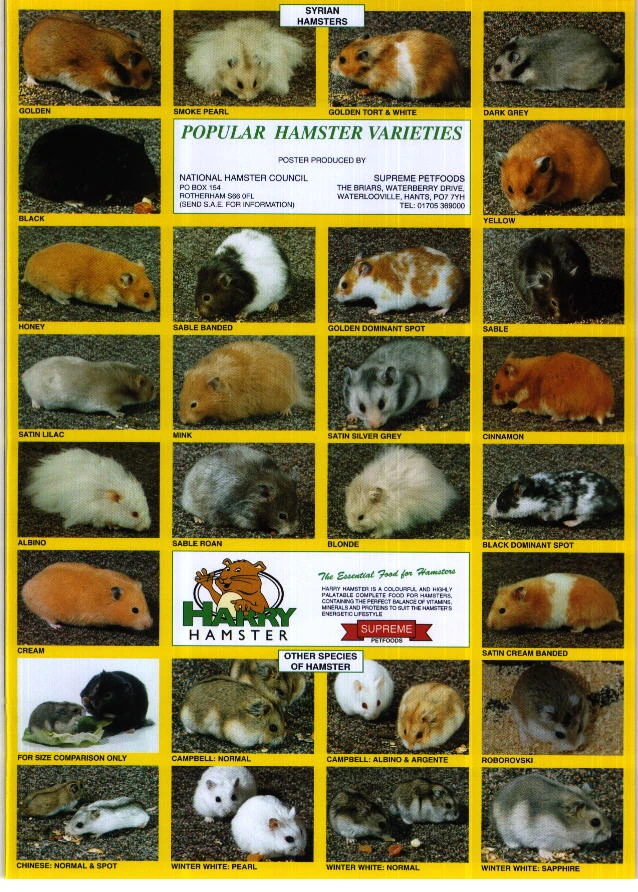
Syrian Hamsters: The Classics
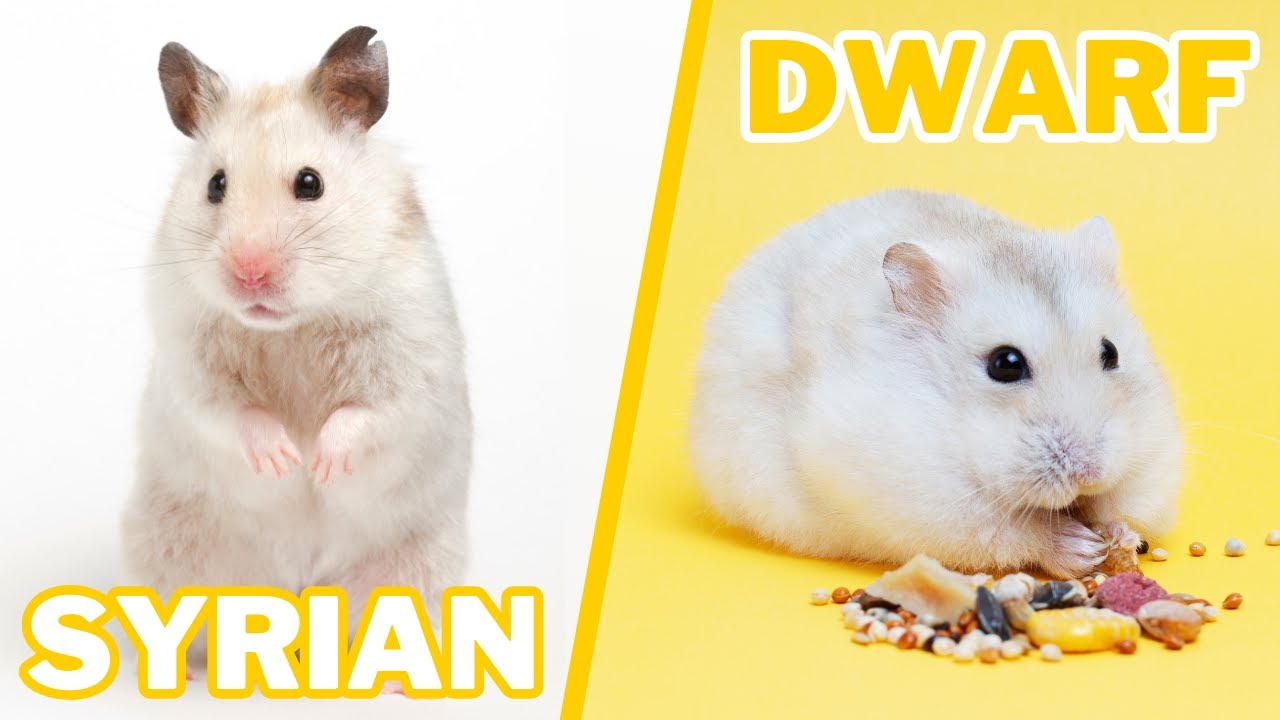
Syrian hamsters are often recommended for first-time owners due to their docile nature and larger size, which makes them easier to handle. They generally enjoy human interaction, especially if handled from a young age. However, it's a misconception that they're always cuddly; each hamster has its own personality. Some Syrians love being held, while others prefer to observe from a distance.
These hamsters are solitary and must be housed alone. Housing Syrians together, even littermates, will almost certainly lead to fighting, serious injuries, and death. They need a large enclosure; minimum recommendations are often 450 square inches of floor space, but exceeding that is better. They need room to burrow, explore, and exercise.
Syrians are prone to health issues like wet tail (a bacterial infection), abscesses, and tumors. Their lifespan is typically 2-3 years. Regular vet checkups help detect and address health problems early. Watch for signs like lethargy, loss of appetite, diarrhea, or unusual lumps.
Variety exists within Syrian hamsters, including short-haired, long-haired, and satin-coated types. Coat colors are diverse, ranging from golden to black, white, cinnamon, and many shades between. The 'bear-faced' Syrian, characterized by a broader, flatter face, is a newer trend that has raised ethical concerns about potential breathing difficulties.
Dwarf Hamster Diversity
Dwarf hamsters are smaller, faster, and often more active than Syrian hamsters. Five main species are commonly kept as pets: Campbell's, Winter White, Roborovski, Chinese, and Grey. Each presents unique challenges and rewards.
Campbell's dwarf hamsters are a popular dwarf species. They can be more territorial than Winter Whites. While they can sometimes be kept in same-sex pairs or small groups (introduced young and carefully monitored), fighting can still occur. Winter White dwarf hamsters are generally more sociable and can also be kept in pairs, though it's not guaranteed. Roborovski hamsters are the smallest and fastest, best suited for observation rather than handling.
Chinese hamsters are often mistaken for dwarf Syrians but are genetically distinct, with a longer body and a more mouse-like appearance. Grey dwarf hamsters are less common in the pet trade and harder to find. They are generally solitary and do not do well with other hamsters.
A major concern with dwarf hamsters is hybridization, particularly between Campbell’s and Winter White hamsters, which leads to health problems like diabetes and neurological issues. Ensure you are getting a purebred hamster from a reputable breeder.
- Campbell's Dwarf Hamster: Can sometimes be kept in pairs, prone to diabetes.
- Winter White Dwarf Hamster: More sociable, can be kept in pairs, coat color changes with the seasons.
- Roborovski Dwarf Hamster: Smallest and fastest, best for observation.
- Chinese Dwarf Hamster: Mouse-like appearance, generally solitary.
- Grey Dwarf Hamster: Less common, generally solitary.
Dwarf Hamster Species Comparison
| Species | Typical Temperament | Social Compatibility | Diabetes Predisposition | Average Size |
|---|---|---|---|---|
| Campbell's Dwarf Hamster | Generally docile, can be territorial | Can sometimes live in pairs/small groups, but fighting is common | Medium | 3.5 - 5.5 inches |
| Winter White Dwarf Hamster | Gentle and easily tamed with consistent handling | Best kept individually, occasional pair bonding possible | Low to Medium | 3.5 - 4.5 inches |
| Roborovski Dwarf Hamster | Fast-paced and active, less prone to biting | Generally solitary, pairs can sometimes coexist | Low | 2 - 3.5 inches |
| Chinese Hamster | More nervous than other dwarfs, requires patient handling | Solitary | Low | 4 - 5 inches |
| Hybrid Dwarf Hamster | Variable, depends on parentage (often Campbell's x Winter White) | Generally solitary, potential for aggression | Medium to High | 3.5 - 5 inches |
Qualitative comparison based on the article research brief. Confirm current product details in the official docs before making implementation choices.
Rare Breeds: Making a Comeback
While Syrian and dwarf hamsters dominate the pet trade, rarer breeds are gaining attention. The European hamster (Cricetus cricetus) is a larger species native to Eastern Europe. Primarily agricultural pests, they are not commonly kept as pets, though some enthusiasts are working to change that. They require a specific diet and a large, secure enclosure.
The Armenian hamster (Mesocricetus armeniacus) is another less common species, similar in size to the Syrian hamster but with slightly different markings. Information on their care requirements is limited, and they are not widely available in the pet trade. Sourcing one ethically is a significant challenge.
Recently, "designer’ Syrian hamster breeds have emerged, with breeders selectively breeding for specific traits like the ‘bear-faced" look. While visually appealing to some, these breeds raise ethical concerns. Breeding for extreme features can compromise the animal's health and welfare. Prioritize health and temperament over appearance.
The legality of owning certain hamster species varies by region; some areas restrict the import or ownership of European or Armenian hamsters. Always check your local regulations before acquiring a hamster. Finding reliable information on these rarer breeds is difficult, so do thorough research before committing to ownership.
Identifying Hamster Hybrids
Hybridization is a significant problem in the dwarf hamster world, particularly between Campbell’s and Winter White hamsters. They are closely related and can interbreed, often unintentionally in pet stores or breeding facilities. Identifying hybrids can be tricky, as they may exhibit a mix of traits from both parent species.
Visually, hybrids may have unusual coat colors or patterns, or a combination of features that don’t quite match either parent species. Appearance alone isn’t a reliable indicator. The most definitive way to identify a hybrid is through genetic testing, but this isn’t readily available to most pet owners.
Hybrids are prone to health problems like diabetes, neurological issues, and a shortened lifespan due to genetic instability from mixing genes of two different species. Breeding hybrids is unethical, as it perpetuates these health problems and contributes to the decline of purebred populations.
undefined have a hybrid hamster, it's important to provide supportive care and monitor for any health issues. However, you should not breed the hamster, as this will only pass on the genetic problems to future generations. Responsible breeders avoid hybridization altogether.
- Unusual coat color or pattern: A mix of traits from both parent species.
- Genetic testing: The most definitive way to identify a hybrid, but not readily available.
- Health problems: Increased risk of diabetes, neurological issues, and a shortened lifespan.
Finding Your Hamster: Breeders & Rescues
When looking for a hamster, you have two main options: breeders and rescues. Both have their pros and cons. Breeders can offer specific breeds and coat types, and may provide more detailed information about the hamster's lineage. However, not all breeders are reputable, and it's crucial to do your research.
A reputable breeder will prioritize the health and welfare of their hamsters. They should be able to provide health records, answer your questions thoroughly, and allow you to see the environment where the hamsters are raised. Avoid breeders who keep hamsters in overcrowded or unsanitary conditions. I once visited a breeder who had dozens of hamsters in tiny cages – it was heartbreaking.
Rescues are a fantastic option for giving a hamster a second chance. You'll be providing a loving home to an animal in need, and rescue staff can often provide valuable information about the hamster's personality and history. While you may not know the hamster’s exact age or breed, you'll be making a positive impact.
Resources for finding hamster rescues include the Petfinder website (petfinder.com) and local animal shelters. In Europe, specific rescue organizations exist in many countries, often listed through national hamster clubs. Remember to be patient and prepared to answer questions – rescues want to ensure their animals go to good homes.
Hamster Color & Pattern Genetics
Hamster coat color and pattern genetics are surprisingly complex, but understanding the basics can be fascinating. Coat color is determined by genes that control the production of melanin, the pigment responsible for coloration. Different genes interact to create a wide range of colors, including black, white, brown, cinnamon, and golden.
Patterns, like banded or roan, are also genetically determined. The 'agouti' gene controls the distribution of pigment along the hair shaft, creating the characteristic 'ticked' appearance seen in wild-type hamsters. The 'satin' gene affects the texture of the coat, resulting in a shiny, silky appearance.
Understanding these basic genetic principles can help you predict the potential coat colors and patterns of offspring if you're considering breeding hamsters. However, it's important to remember that genetics is not always straightforward, and unexpected results can occur. The YouTube channel "Every Hamster Colour Explained" provides a very detailed overview of this subject.
Certain genetic traits can also predispose hamsters to health problems. For example, the 'pinto' gene, which causes patches of white fur, has been linked to an increased risk of deafness. Responsible breeders avoid breeding hamsters with known genetic defects.
Future Trends: What’s Next for Hamster Breeding?
The popularity of certain hamster colors and patterns continues to drive breeding trends. Currently, the 'bear-faced' Syrian hamster is particularly sought after, despite the ethical concerns surrounding its breeding. The demand for specific coat types, like satin and long-haired, also influences breeding practices.
Genetic testing is becoming increasingly accessible, and may eventually play a larger role in hamster breeding. This could allow breeders to identify carriers of genetic diseases and make more informed breeding decisions. However, the cost of genetic testing remains a barrier for many.
Prioritizing health and temperament over appearance is crucial for the future of hamster breeding. Responsible breeders should focus on producing healthy, well-adjusted hamsters, rather than chasing the latest trends. Citizen science initiatives, where hobbyists contribute data on hamster genetics and health, could also play a role.
Ultimately, the future of hamster breeding depends on the commitment of breeders and owners to prioritize the welfare of these small animals. Ethical breeding practices, combined with ongoing research and education, will ensure that hamsters continue to thrive as beloved pets.


No comments yet. Be the first to share your thoughts!