

Winter White: A Unique Dwarf
The Winter White Dwarf Hamster (Phodopus sungorus) comes from Siberia and Mongolia, adapted to cold climates. This explains their name and seasonal behavior. They're becoming more popular as pets, with Hamster Now noting their potential as therapy animals in 2026.
Winter Whites are generally more docile than other hamster species, making them suitable for new owners. They are small, usually 3-4 inches long. While all hamsters need care, Winter Whites are often considered easier to manage, especially regarding space, though they still need enrichment.
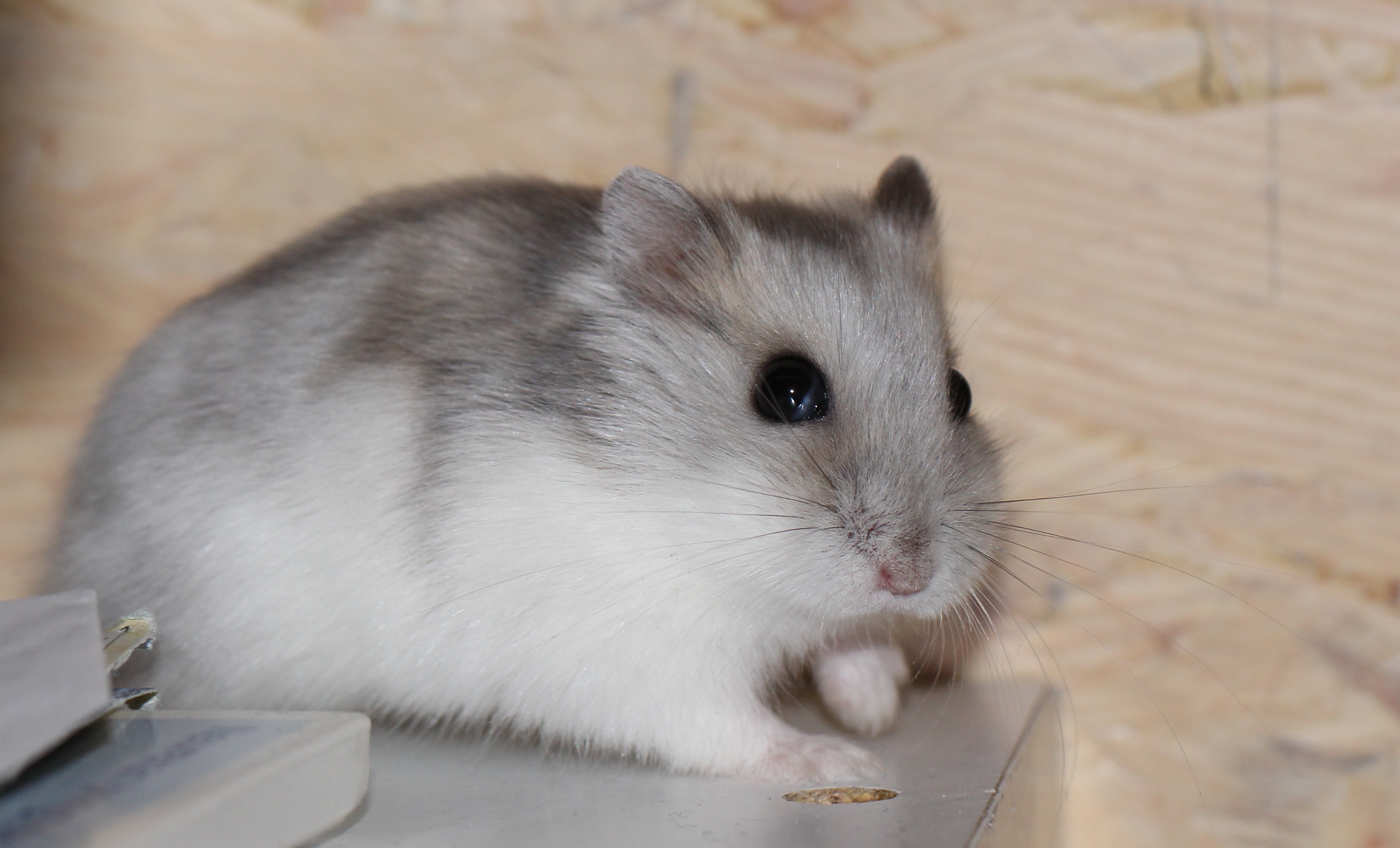
Winter Whites can change color. In winter or with less daylight, their coat lightens, sometimes to white, for camouflage. This change isn't the same for all individuals; some shift more subtly, while others stay darker. Genetics and environment influence how much they change.
Lifespan Expectations & Influences
Winter White Dwarf Hamsters typically live 1.5 to 2.5 years. Owners should be prepared for this short lifespan before getting one, as they are not a long-term commitment like a dog or cat.
Genetics, diet, a clean and stimulating environment, and regular veterinary care influence a Winter White's lifespan. Stress from a small cage or disruptive surroundings can also shorten their life.
Common health issues include wet tail, respiratory infections, and dental problems. Tumors are also common in older dwarf hamsters. Early detection and treatment can sometimes extend a hamster’s life. A consistent routine and minimized stress can also help.
Decoding the Diet: What to Feed
A high-quality hamster mix, with seeds, grains, and dried vegetables, should be the basis of your Winter White's diet. Science Selective Hamster Food is a good option that most hamsters accept and provides a good nutritional profile.
Supplement your hamster mix with fresh foods. Offer small portions of hamster-safe vegetables like broccoli, carrots, and spinach a few times a week. Give fruits, such as apples and blueberries, sparingly due to their sugar content. Mealworms or small pieces of cooked chicken can be offered as occasional protein treats.
Never feed hamsters chocolate, citrus fruits, onions, garlic, or avocado. Avoid sugary and processed foods. Portion control is vital to prevent obesity. A tablespoon of hamster mix daily is usually enough, adjusted for activity. Timothy hay should always be available for digestion and teeth wear.
Winter White Dwarf Hamster Food Brand Comparison - 2026
| Brand Name | Ingredient Quality | Nutritional Completeness | Price Range | Customer Review Score (out of 5) | Vet Recommended? |
|---|---|---|---|---|---|
| Tiny Paws Harvest Blend | High - Primarily whole grains, seeds, and dried vegetables | Excellent - Formulated with added vitamins and minerals for all life stages | Moderate | 4.6 | Often Recommended |
| Critter Cuisine Daily Delight | Good - Contains a mix of seeds, grains, and some fruit pieces | Good - Meets basic nutritional needs, may require supplementation | Low | 4.2 | Sometimes Recommended |
| Hamster Haven Premium Mix | Very High - Organic ingredients, limited fillers, focus on natural sources | Excellent - Specifically designed for optimal health and coat condition | High | 4.8 | Frequently Recommended |
| Nibble Kingdom Complete Nutrition | Moderate - Contains some processed ingredients, but provides a balanced diet | Good - Offers a wide range of nutrients, suitable for daily feeding | Moderate | 4.0 | Occasionally Recommended |
| Whiskers & Paws Seed & Grain | Good - Simple mix of seeds and grains, minimal additives | Fair - May lack sufficient vitamins and minerals for long-term health | Low | 3.8 | Rarely Recommended |
| Cozy Burrow Balanced Bites | High - Includes insect protein and a variety of seeds | Excellent - Supports energy levels and overall well-being | Moderate to High | 4.7 | Often Recommended |
Illustrative comparison based on the article research brief. Verify current pricing, limits, and product details in the official docs before relying on it.
Habitat Essentials: Cage, Bedding & Enrichment
A spacious cage is critical for a happy Winter White Dwarf Hamster. A minimum of 450 square inches of floor space is recommended, but larger is better. Barred cages, tanks, or modified bin cages can work if they meet the size requirement. Large bin cages offer plenty of floor space and are inexpensive.
Avoid cedar and pine shavings for bedding, as their oils can harm hamsters. Paper-based bedding, aspen shavings, or hemp bedding are good choices. Provide at least 6 inches of bedding for burrowing. Spot clean regularly and do a full cage clean every 1-2 weeks.
To prevent boredom, provide enrichment like a solid-surface wheel (at least 8 inches in diameter to avoid spinal curvature), tunnels, chews, and hides. Rotate toys and rearrange the cage layout to keep your hamster engaged. Use safe cage materials, avoiding sharp edges or toxic paints.
Seasonal Shifts in Behavior
Winter Whites show seasonal behavioral changes. Their coat color can lighten in winter, triggered by decreasing daylight hours. The extent of this change varies by individual and is not directly related to temperature.
Activity levels can change seasonally. Some Winter Whites become less active in colder months, sleeping more. Others forage more, instinctively preparing for leaner times. Appetite may also fluctuate, with some eating more in fall to build fat reserves. It's unclear how indoor temperature affects these changes in pets, as they lack natural seasonal variations.
Winter Whites may enter torpor, a hibernation-like state with decreased body temperature, slowed breathing, and reduced activity. This is more common in wild hamsters but can occur in pets exposed to cold. Short torpor periods are usually harmless, but prolonged or frequent torpor may indicate illness and requires a vet visit. Maintain a consistent temperature to minimize torpor risk.
Winter White vs. Syrian: A Quick Look
When deciding between a Winter White Dwarf Hamster and a Syrian hamster, note their differences. Syrian hamsters are larger, typically 5-7 inches long, compared to the Winter White's 3-4 inches. Hamster Now's 2026 guide offers more detail.
Syrians are often more solitary and can bite if not handled correctly. Winter Whites are generally more docile and easier to tame, though personalities vary. Syrians also need larger cages and may require more frequent cleaning.
Lifespan is another factor. Syrian hamsters typically live for 2-3 years, slightly longer than Winter Whites. Ultimately, the best choice depends on your lifestyle and preferences. If you’re looking for a smaller, more docile hamster and are prepared for a shorter lifespan, a Winter White may be a good fit. If you want a larger, more interactive hamster and are willing to provide a larger cage, a Syrian might be a better option.
Which hamster species do you currently own or plan to own?
Your feedback helps us tailor our 2026 care guides to the specific needs of your pets. Select your primary species below.
Recognizing Illness: Signs & When to Seek Help
Even with the best care, Winter White Dwarf Hamsters can sometimes become ill. Recognizing the signs of illness early is crucial for successful treatment. Common health problems include wet tail, a life-threatening bacterial infection characterized by severe diarrhea and lethargy. Respiratory infections, indicated by sneezing, wheezing, and discharge from the eyes or nose, are also common.
Dental issues, such as overgrown teeth, can prevent your hamster from eating properly. Look for signs like drooling, difficulty chewing, or weight loss. Tumors, both benign and malignant, can also develop, particularly in older hamsters. Other signs of illness include changes in appetite, activity level, or coat condition. A hunched posture or difficulty breathing are always cause for concern.
If you notice any of these signs, it’s essential to consult a veterinarian experienced with small animals. Preventative care, including regular vet checkups, can help detect and address health problems early. Finding a vet who understands hamster-specific needs is vital. Emergency situations, such as severe diarrhea, difficulty breathing, or a visible injury, require immediate veterinary attention. Don’t hesitate to seek help if you’re concerned about your hamster’s health.
No comments yet. Be the first to share your thoughts!