

Winter Whites: A Rising Star
Sarah, a friend, felt overwhelmed after a tough week at work. She loved animals but couldn't commit to a dog or cat. Then, she got Pip, a tiny winter white dwarf hamster. Watching him stuff his cheek pouches or run on his wheel brought a calm she hadn't felt in months. Sarah’s experience isn’t unique. Winter white dwarf hamsters are surging in popularity, increasingly considered for animal-assisted therapy.
These miniature companions, with adorable faces and easy care, are capturing hearts. They appeal to individuals who can't accommodate larger animals. Projections for 2026 suggest an increase in their use in therapeutic settings. This is a gradual recognition of the quiet comfort these creatures provide.
Their small size makes them less intimidating, and their docile nature makes them easier to handle. The straightforward care routine appeals to busy lifestyles. Growing awareness of animal companionship benefits, coupled with winter whites' accessibility, fuels this trend.

Understanding the Winter White Personality
Winter white dwarf hamsters are generally more docile and less nippy than breeds like the Campbell’s dwarf hamster. However, every hamster is an individual. Some are bolder and more curious, while others are shyer and more reserved. Early socialization is key; gentle, consistent handling from a young age helps them become accustomed to human interaction.
They are crepuscular, most active during dawn and dusk, with periods of sleep in between. Burrowing is essential, so a deep layer of bedding is crucial for their well-being. Hoarding food is another instinct; they stash seeds and treats in their cheek pouches and hide them throughout their cage.
A common misconception is that hamsters are solitary and don’t enjoy interaction. While they don’t require constant attention, they can form bonds with owners and recognize familiar faces. Respect their boundaries and avoid forcing interaction. A patient approach yields the best results. Observing their body language—flattened ears, tense posture—tells you how they’re feeling.
Therapy Potential: What the Research Says
Small animals in animal-assisted therapy (AAT) are gaining traction, with hamsters now included in these programs. Initial findings suggest interacting with hamsters has positive physiological and psychological effects. A study in Frontiers in Psychology (2023) showed petting a hamster lowered cortisol levels in participants.
Oxytocin, the “bonding hormone,” also appears stimulated by hamster interaction, associated with calmness, trust, and social connection. A pilot study at the University of Pennsylvania (2024) observed individuals with mild anxiety reporting reduced symptoms after 15 minutes of observing and gently interacting with a hamster.
Much of the current research is preliminary and involves small sample sizes. More large-scale studies are needed to fully understand the therapeutic benefits of hamster interaction. However, hamsters' accessibility is an advantage. They require less space, are less expensive to care for, and suit individuals with allergies, making them a viable option for more therapeutic settings.
Evidence supports that brief interactions with animals promote relaxation and reduce loneliness. Hamsters, with their gentle nature and manageable size, are an effective tool in promoting emotional well-being.
Habitat Essentials: Creating a Safe Space
A suitable habitat is essential for your winter white dwarf hamster's health and happiness. A minimum cage size of 450 square inches of floor space is recommended; bigger is better. The Savic Plaza Large Hamster Cage is a popular choice for ample space and good ventilation. Avoid wire cages with bar spacing wider than 1/4 inch, as they can escape or injure themselves.
Safe bedding options include paper-based bedding (Carefresh), aspen shavings, and hemp bedding. Avoid cedar and pine shavings, as their oils can harm hamsters. Provide at least 6 inches of bedding for burrowing. Enrichment prevents boredom. A solid-surface wheel is a must-have; tunnels, chews, and hideouts also entertain them.
Maintain a consistent temperature between 65-75°F. Hamsters are sensitive to extremes. A dust bath maintains coat health; provide a shallow dish of chinchilla sand a few times a week. Plastic cages clean easily, but glass or tank enclosures offer better temperature regulation. Wire cages can be drafty.
Nutrition: Fueling a Happy Hamster
A balanced diet is fundamental to your winter white dwarf hamster's health. A high-quality commercial hamster food mix, with a variety of seeds, grains, and protein sources, should be the basis of their diet. Oxbow Garden Select Hamster & Gerbil Food is recommended. Avoid mixes with excessive sunflower seeds due to their high fat content.
Supplement their diet with small portions of fresh fruits and vegetables like broccoli, carrots, apples (without seeds), and blueberries. Limit fruit to once or twice a week due to sugar content. A piece of carrot the size of your pinky nail is sufficient. Give treats like mealworms or yogurt drops sparingly.
Fresh, clean water should always be available via a sipper bottle or heavy ceramic dish. Monitor their food intake and weight to ensure adequate nutrition. In therapy settings, a consistent diet is crucial for the hamster's health and stress-free state. A veterinarian specializing in small animals can offer personalized dietary recommendations.
Winter White Dwarf Hamster Diet Guide
| Food Category | Examples | Portion Size (Daily) | Frequency |
|---|---|---|---|
| Daily Staples | High-quality hamster seed mix (specifically formulated for dwarf hamsters) | 1-2 teaspoons | Daily |
| Daily Staples | Hamster pellets (ensure they are dust-free) | 1 teaspoon | Daily |
| Occasional Treats | Small pieces of fresh vegetables (broccoli, cucumber, carrot) | 1/8 - 1/4 teaspoon | 2-3 times per week |
| Occasional Treats | Small pieces of fruit (apple, banana - sparingly due to sugar content) | Pinch (very small piece) | Once per week |
| Occasional Treats | Mealworms (dried or live) | 2-3 mealworms | Once or twice per week |
| Foods to Avoid | Chocolate | None | Never |
| Foods to Avoid | Citrus fruits | None | Never |
| Foods to Avoid | Onion and Garlic | None | Never |
Illustrative comparison based on the article research brief. Verify current pricing, limits, and product details in the official docs before relying on it.
Health Concerns & Preventative Care
Winter white dwarf hamsters are prone to certain health issues. Wet tail, a bacterial digestive infection, is serious and often fatal, with symptoms including diarrhea, lethargy, and loss of appetite. Respiratory infections, characterized by sneezing, wheezing, and nasal discharge, are also common. Dental problems, like overgrown teeth, can occur if they lack chew toys.
Recognize signs of illness early. If you notice changes in your hamster’s behavior, appetite, or appearance, consult a veterinarian experienced with small animals immediately. Preventative care includes maintaining a clean cage, providing a nutritious diet, and minimizing stress. Regular cage cleaning—spot cleaning daily and a full clean weekly—prevents bacterial buildup.
undefined hamsters can be challenging, so research options in your area beforehand. Early intervention is often the key to successful treatment.
Winter White vs. Other Dwarf Varieties
While all dwarf hamsters share some similarities, there are key differences between winter whites and other popular breeds. Roborovski hamsters are the smallest and most active, often preferring to be observed rather than handled. Campbell’s dwarf hamsters are more prone to diabetes and can be more territorial. Winter white dwarf hamsters strike a good balance – they are relatively docile, manageable in size, and less prone to certain health issues.
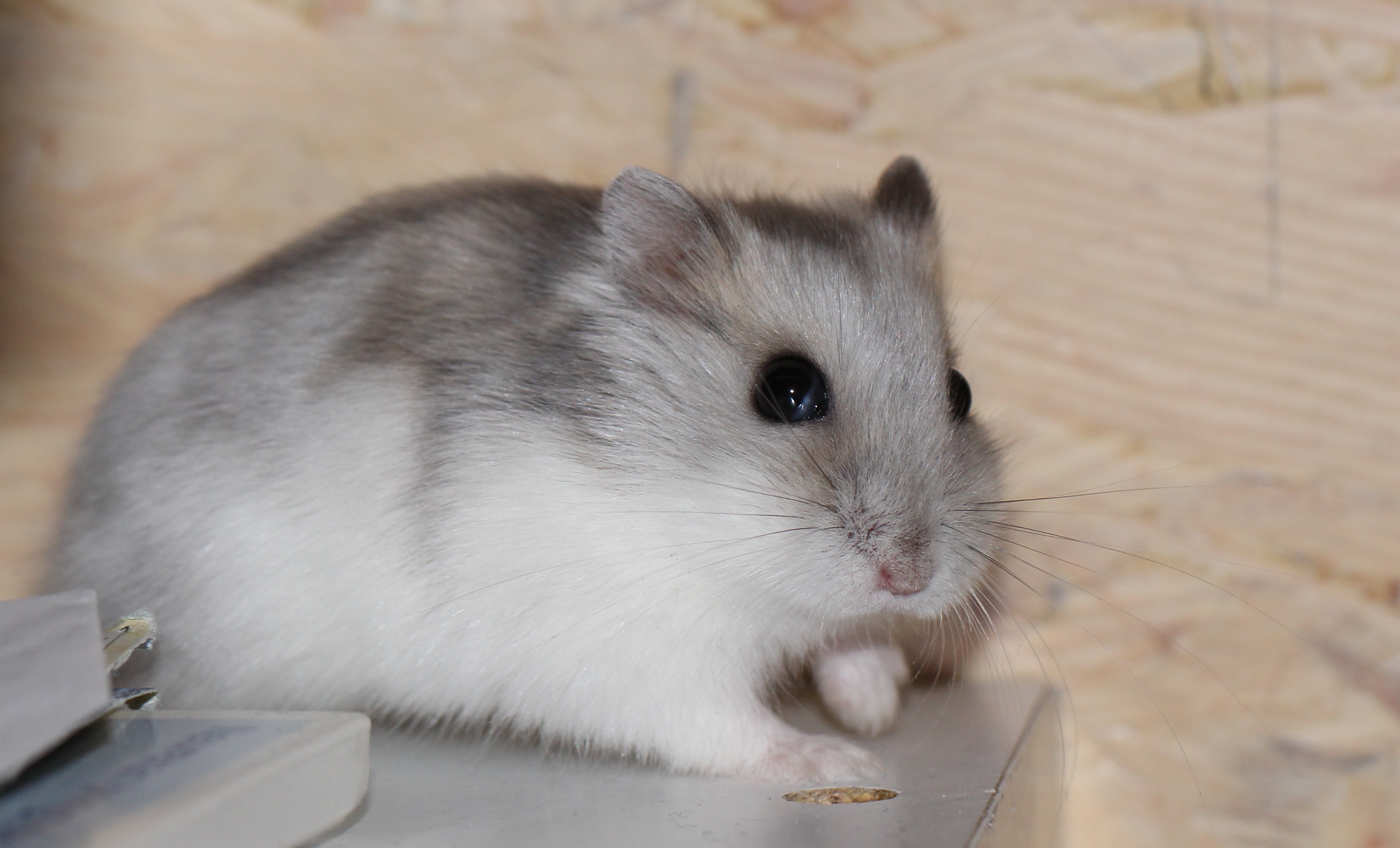
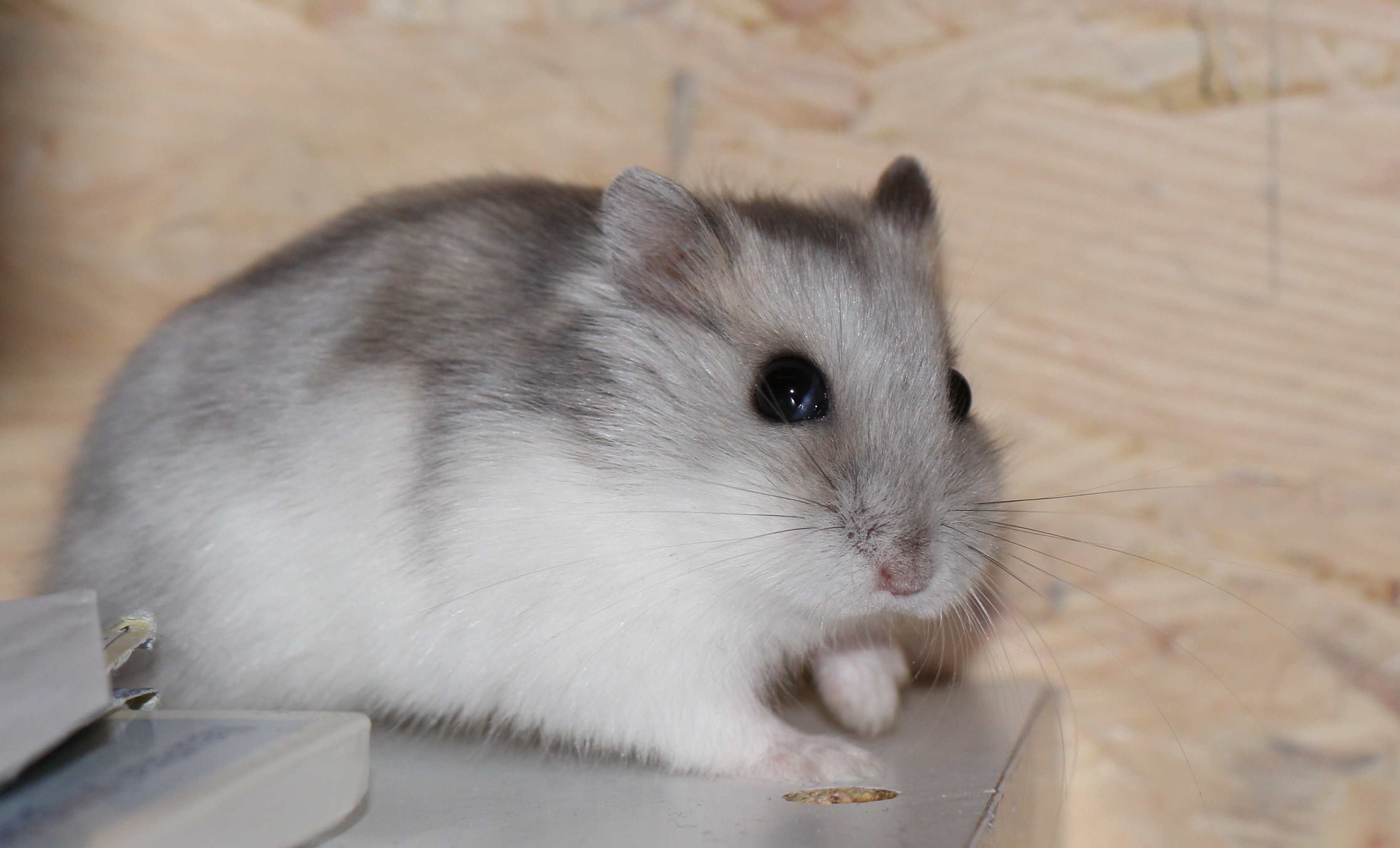
Their seasonal color changes are a unique characteristic. During the winter months, their coat can lighten to almost white, providing excellent camouflage in snowy environments. This isn’t seen in other dwarf hamster breeds. This makes them particularly appealing to those seeking a visually interesting pet. For first-time owners, winter whites are often a better choice due to their generally calmer temperament.
When considering a hamster for therapy work, the winter white’s more relaxed nature is a significant advantage. They are less likely to startle easily and are generally more tolerant of gentle handling. However, individual personalities vary, so it’s essential to choose a hamster with a temperament suited for interaction with people. A hamster that's naturally shy or easily stressed won't be a good candidate for therapy work.
Dwarf Hamster Comparison
- Winter White Dwarf Hamster (Campbelli/Djungarian) - Typically 3.5-4 inches long. Known for their color-changing coats, becoming whiter in winter months.
- Roborovski Dwarf Hamster - The smallest of the dwarf hamsters, usually 2-2.5 inches long. They are very quick and energetic.
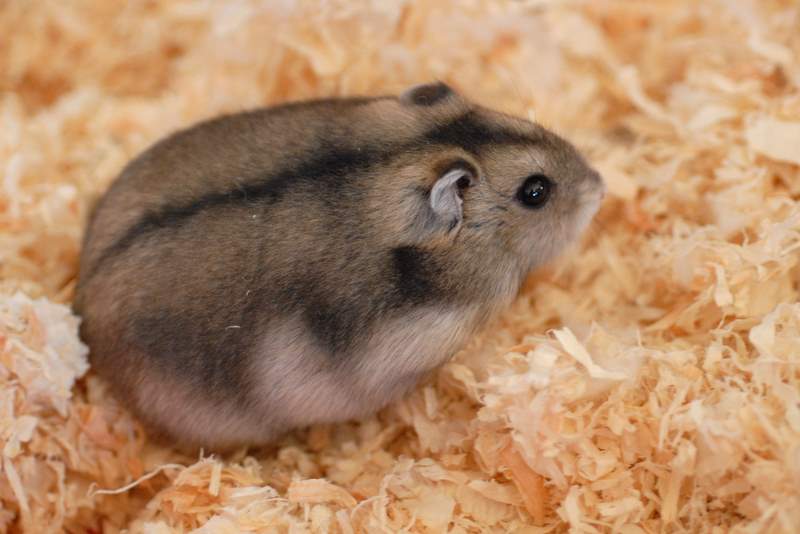
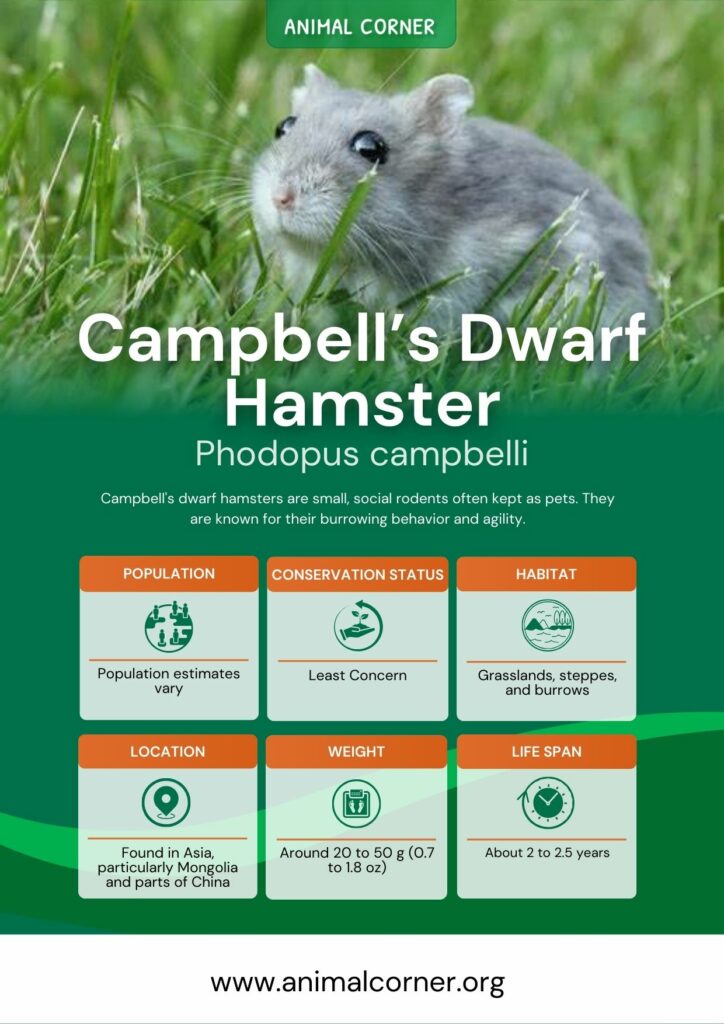
- Campbell's Dwarf Hamster - Similar in size to Winter Whites (3.5-4 inches), but generally have less pronounced color change. Prone to diabetes.
- Lifespan - Winter Whites: 1.5-3 years. Roborovski: 3-3.5 years. Campbell’s: 1.5-2 years. Genetics and care significantly impact longevity.
- Temperament - Winter Whites are generally more docile and enjoy handling. Roborovskis are fast and less inclined to be held. Campbell’s can be territorial and sometimes nippy.
- Ease of Handling - Winter Whites are considered the easiest to tame and handle, especially when consistently interacted with from a young age. Roborovskis are challenging due to their speed. Campbell’s require patient, gentle handling.
- Common Health Issues - Winter Whites: Prone to wet tail and respiratory infections. Roborovskis: Relatively hardy. Campbell’s: High risk of diabetes and fighting amongst cage mates.
- Social Behavior - Winter Whites and Campbell’s *can* sometimes be kept in same-sex pairs or small groups (with careful introduction and ample space), but fighting is common. Roborovskis are generally solitary.
Ethical Considerations for Therapy Work
Using hamsters in therapy settings comes with significant ethical responsibilities. The hamster’s well-being must be the top priority. This means ensuring they are not subjected to stress or discomfort. Regularly monitor their body language for signs of anxiety, such as flattened ears, tense posture, or excessive grooming. A hamster that appears stressed should be immediately removed from the interaction.
Proper handling techniques are essential. Always support their body fully and avoid squeezing or dropping them. Matching the hamster’s personality to the needs of the client is also crucial. A shy hamster should not be assigned to a client who is overly enthusiastic or demanding. It's important to remember that hamsters are not toys; they are living creatures with their own needs and feelings.
Legal considerations and potential liability issues should also be addressed. Ensure you have appropriate insurance coverage and that you are following all local regulations regarding animal-assisted therapy. Some facilities may require handlers to undergo specific training or certification. Ultimately, the goal is to create a safe and beneficial experience for both the hamster and the client. Exploiting animals for therapeutic benefit is unethical and should be avoided at all costs.
Open communication with a veterinarian experienced in small animal behavior is vital. They can provide guidance on identifying potential stressors and ensuring the hamster’s ongoing health and well-being. Remember, responsible animal-assisted therapy is about fostering a mutually beneficial relationship, not simply using an animal as a tool.
Do you think more research should be done on the benefits of small animals like hamsters in animal-assisted therapy?
Winter White Dwarf Hamsters are gaining attention as potential therapy pets in 2026. As interest grows in the calming effects these gentle hamsters can have, we want to hear from our Hamster Now community. Should researchers invest more time into studying the therapeutic benefits of small animals like hamsters? Vote below and share your perspective!
No comments yet. Be the first to share your thoughts!