

Dwarf Hamster Lifespans: A Realistic View
Many people misunderstand how long dwarf hamsters live. While 1.5 to 3 years is a common range, it's quite broad. The actual lifespan depends on the species, genetics, and the quality of care provided. We can, however, significantly improve their chances of living a full and healthy life.
Lifespan varies between dwarf hamster species. Winter Whites often reach the upper end of the 1.5-3 year range, sometimes exceeding it with excellent care. Campbell's dwarf hamsters typically live a bit shorter lives. Roborovski hamsters can live longer, but they are more sensitive to stress and handling, which can affect their health.
Genetics are important. A hamster from a breeder focused on health and temperament will likely have a better start than one from a pet store with an unknown background. Even with good genetics, care is essential. Diet, enrichment, and timely attention to health issues are critical. It's a commitment, but a rewarding one.
Some hamsters live well past three years, while others decline much earlier. The aim is not just to reach a certain age, but to ensure those years are comfortable, stimulating, and joyful. This guide provides the knowledge to create the best possible life for your hamster.
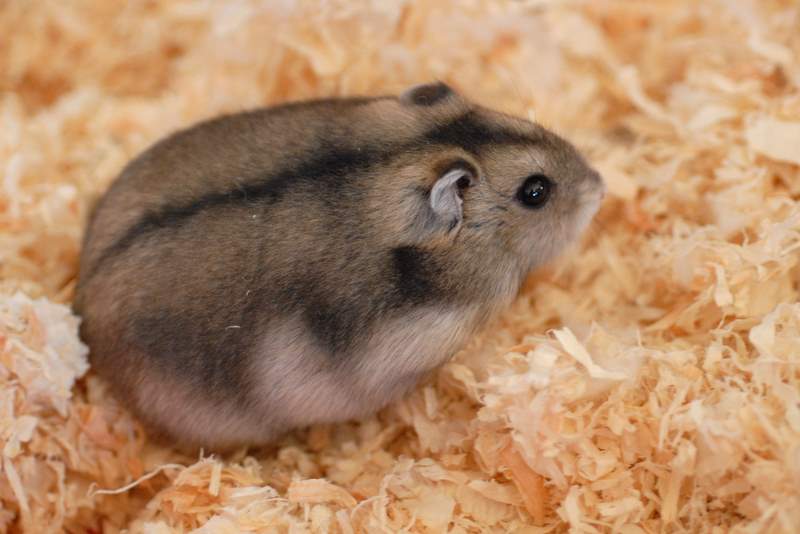
Species-Specific Lifespan Trends
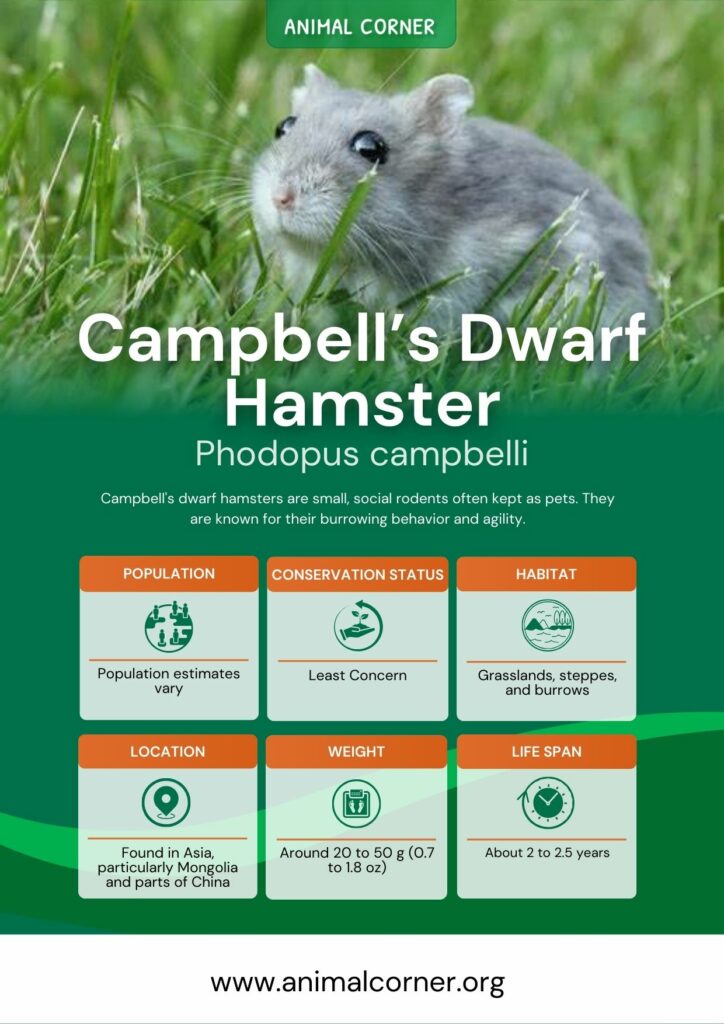
Lifespans vary by species. PetMD (late 2024) reports Winter Whites typically live 1.5 to 2.5 years, sometimes over three. Campbell's dwarf hamsters average 1.5 to 2 years. Roborovski hamsters can live up to 3.5 years, but this depends on their adaptation to human interaction. They are naturally skittish and need patience.
Wikipedia notes an average lifespan of 2-3 years in captivity for Winter Whites. Temperament contributes to lifespan differences. Winter Whites are more docile and easier to handle, reducing stress. Campbell's, prone to nipping, may experience more stress from handling.
Hybridization between Campbell's and Winter White dwarf hamsters is a concern. Anecdotal evidence suggests these hybrids often have reduced lifespans and are more prone to health problems, likely due to genetic incompatibility. The science is still developing.
These are averages; individual hamsters will vary. A well-cared-for Campbell's might outlive a poorly cared-for Winter White. Understanding these trends helps set realistic expectations and provide appropriate care.
- Winter White: 1.5 - 2.5 years (potentially exceeding 3 years)
- Campbell’s: 1.5 - 2 years
- Roborovski: Up to 3.5 years (dependent on adaptation to handling)
Dwarf Hamster Species Comparison: Lifespan, Health & Temperament
| Species | Average Lifespan | Common Health Issues | Temperament | Lifespan Potential (with optimal care) |
|---|---|---|---|---|
| Winter White Dwarf Hamster | 1.5 - 2 years | Diabetes, age-related tumors | Generally docile, can be shy, less prone to biting than other species | 2 - 2.5 years |
| Campbell’s Dwarf Hamster | 1.5 - 2 years | Diabetes, abscesses, neurological issues | More active and curious, can be territorial, potential for nipping | 2 - 2.5 years |
| Roborovski Dwarf Hamster | 2 - 3 years | Dental problems, upper respiratory infections | Very active and fast-moving, generally not suited to handling, more for observation | 3 - 3.5 years |
| Winter White (compared to Campbell's) | Slightly shorter lifespan on average | Lower predisposition to certain neurological issues seen in Campbell's | Generally more docile and easier to tame | Similar, dependent on individual care |
| Campbell’s (compared to Roborovski) | Shorter lifespan on average | Higher risk of diabetes | More interactive, but can be prone to territorial aggression | Similar, dependent on individual care |
| Roborovski (compared to Winter White) | Potentially longer lifespan | Generally hardy, but susceptible to dental issues | Less interactive, better suited as a display animal | Potentially longer with excellent preventative care |
Illustrative comparison based on the article research brief. Verify current pricing, limits, and product details in the official docs before relying on it.
Diet and Nutritional Optimization
Diet is foundational to a long hamster life. Many owners rely solely on commercially available seed mixes, which is a mistake. While a good seed mix should be the base of their diet, it's not enough. It's like a human eating only cereal – it lacks essential nutrients for optimal health.
Supplementation is key. Offer fresh vegetables like broccoli, spinach, and carrots daily in small amounts. Protein sources such as mealworms, unseasoned cooked chicken, or plain yogurt are also essential. Occasional fruits like blueberries or apple can be treats, but offer them in moderation due to sugar content.
Portion sizes depend on species and activity level. Roborovski hamsters, being very active, need slightly more than Winter Whites. A general guideline is one teaspoon of seed mix per day, adjusted based on weight and activity. Avoid sugary treats like fruit loops or honey sticks, as they offer empty calories and can cause health problems.
Foods toxic to hamsters include chocolate, onions, garlic, citrus fruits, and raw potatoes. Always research before introducing new foods. This information is not veterinary advice. Consult a vet for personalized dietary recommendations.
- Essential Supplements: Fresh vegetables, protein sources (mealworms, cooked chicken), occasional fruits
- Foods to Avoid: Chocolate, onions, garlic, citrus fruits, raw potatoes
- Seed Mix: Use as a base, approximately 1 teaspoon per day (adjust based on species and activity)
Enrichment, Exercise, and Mental Stimulation
A bored hamster is an unhappy and unhealthy hamster. These creatures are intelligent and need plenty of stimulation to thrive. Providing only food and water isn't enough. Enrichment involves creating an environment that encourages natural behaviors like foraging, nesting, and exploring.
A wheel is essential. It must be appropriately sized for the species. For dwarf hamsters, a wheel at least 8 inches in diameter prevents back strain. Bedding depth is also important; provide at least 6-8 inches of paper-based bedding for burrowing. Hideouts offer security, and chew toys keep teeth healthy.
Variety is key. Rotate toys regularly to maintain interest. Rearrange the cage layout periodically. Offer different chew toys, such as wood, cardboard, or mineral blocks. Consider a sand bath (chinchilla sand, not dust) for grooming and enrichment.
Supervised playtime outside the cage can be beneficial, but requires careful planning and supervision. A secure playpen prevents escapes. Providing sufficient mental stimulation is a significant step towards a longer, happier life.
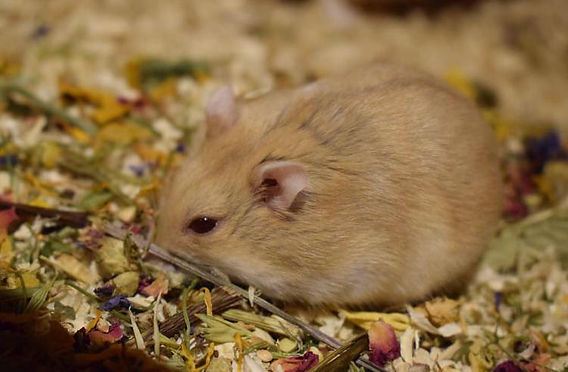
Recognizing Early Signs of Illness
Early detection is critical for hamster health. These animals hide illness well, so observation is key. Changes in appetite are often the first sign something is wrong. If your hamster stops eating or drastically reduces intake, it's a red flag.
Lethargy, or a noticeable decrease in activity, is another concerning sign. Diarrhea, sneezing, or difficulty breathing indicate potential health problems. Weight loss, even subtle, should be investigated. Regularly check your hamster's weight for declines.
undefined for signs of wet tail (diarrhea, lethargy, dehydration), a serious and often fatal condition.
I'm not trying to scare anyone, but being prepared can make a huge difference. This information is not a substitute for veterinary care. If you suspect your hamster is ill, consult a veterinarian experienced in small rodent care immediately.
The Role of Genetics and Breeding
Not all hamsters are created equal, and genetics play a significant role in their overall health and lifespan. A hamster’s lineage can predispose them to certain health problems, or conversely, provide them with a stronger immune system and greater resilience.
Choosing a reputable breeder is crucial. A good breeder will prioritize health and temperament over appearance. They’ll be knowledgeable about genetics and will be able to provide you with information about the parents and grandparents of your hamster. They will also be transparent about any potential health concerns.
Inbreeding can lead to genetic defects and a weakened immune system. Avoid breeders who consistently breed closely related hamsters. Ethical breeders will carefully manage their breeding programs to minimize the risk of genetic problems.
Finding a good breeder can be challenging, but it’s worth the effort. Online forums and local hamster clubs can be good resources. Don't be afraid to ask questions and visit the breeder’s facility to assess their practices.
Breeder Characteristics
- Health Guarantees - A reputable breeder will often offer a health guarantee, typically covering genetic predispositions to common dwarf hamster ailments like diabetes or kidney issues, for a limited period.
- Lineage Transparency - Ask about the hamster’s lineage. Knowing the family history can reveal potential health concerns or inbreeding which can shorten lifespan.
- Open Communication - A good breeder will be readily available to answer your questions about the hamster’s history, care, and potential health issues. They shouldn't be dismissive or avoidant.
- Housing Conditions - The breeder’s facility should be impeccably clean and spacious, with each hamster housed individually to prevent fighting and stress. Overcrowding is a major red flag.
- Temperament Focus - A responsible breeder prioritizes breeding for calm and friendly temperaments. They will handle the hamsters regularly to socialize them and identify any behavioral issues.
- Knowledge of Genetics - A breeder knowledgeable about dwarf hamster genetics will be able to discuss color mutations and potential associated health risks, as some color variations are linked to health problems.
- Veterinary Partnership - A breeder who regularly collaborates with a veterinarian experienced in small animal care demonstrates a commitment to the health and wellbeing of their hamsters.
Emerging Research & Future Directions
Research into dwarf hamster health is ongoing, and there are some exciting developments on the horizon. Scientists are increasingly interested in the genetic basis of hamster diseases, which could lead to new diagnostic tools and treatments.
There’s also growing interest in personalized nutrition for hamsters. The idea is to tailor diets to individual hamster needs based on their genetics, age, activity level, and overall health. This is still in its early stages, but it has the potential to significantly improve hamster health.
I’m not sure about this one, but I’ve seen some interesting discussions online about the potential benefits of certain supplements, like probiotics, for hamster gut health. More research is needed to confirm these findings.
Continued research into dwarf hamster health is essential. These little creatures deserve the same level of care and attention as any other pet, and ongoing research will help us provide them with the best possible lives.
What is the biggest challenge you face in providing optimal care for your dwarf hamster?
We want to hear from you! As research into dwarf hamster longevity continues to evolve, understanding the real-world challenges hamster owners face is essential. Vote below and let us know where you could use the most guidance in helping your dwarf hamster live a longer, healthier life.
Preventative Veterinary Care: What to Expect
Regular vet checkups are essential for maintaining your hamster’s health, even if they appear perfectly fine. Many health problems can be detected early through a routine exam, before symptoms become obvious. Finding a veterinarian experienced with small rodents is crucial – not all vets are comfortable treating hamsters.
During a typical exam, the vet will check your hamster’s weight, teeth, eyes, ears, and overall body condition. They may also listen to their heart and lungs. Common diagnostic tests include fecal exams (to check for parasites) and blood tests (to assess organ function).
Preventative measures, such as regular dental checks, can help prevent serious health problems. Overgrown teeth are a common issue in hamsters, and regular trimming can prevent discomfort and difficulty eating.
Preventative care is an investment, but it can save you money – and heartache – in the long run. The cost of a checkup typically ranges from $50 to $150, depending on your location and the vet’s fees. Be prepared to discuss your hamster’s diet, environment, and behavior with the vet.

No comments yet. Be the first to share your thoughts!