
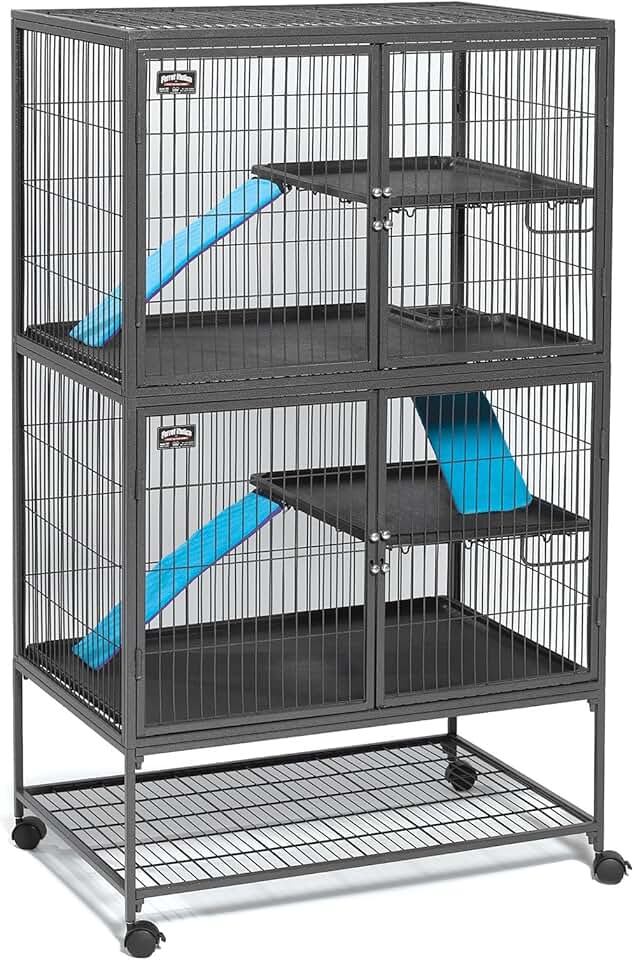

What to look for in a dwarf hamster cage
Choosing the right habitat is the first step in ensuring your dwarf hamster thrives. Unlike larger Syrian hamsters, dwarf varieties like Winter Whites and Campbells do not require extreme vertical height, but they do need generous floor space to run and explore. A minimum of 450 square inches of solid floor space is the baseline for a single dwarf hamster. This width allows them to establish natural running paths, which is critical for their physical and mental health.
Ventilation and security are equally important. Hamsters are sensitive to temperature and drafts, so the cage must be kept indoors in a stable environment, ideally between 65 and 75 degrees Fahrenheit Animal Humane Society. Solid-bottom cages or aquariums with secure wire mesh tops prevent bedding from escaping while allowing adequate airflow. Avoid cages with wide wire gaps in the flooring, as these can injure tiny paws or cause toes to get stuck.
When evaluating options, prioritize solid flooring over wire grids and ensure the lid locks securely. Dwarf hamsters are escape artists, and even small gaps can lead to dangerous situations. A well-ventilated, secure, and spacious cage forms the foundation for a happy pet, setting the stage for the specific product recommendations that follow.
Top dwarf hamster cage picks for 2026
Choosing the right dwarf hamster cage is less about square footage numbers and more about floor space and ventilation. Dwarf hamsters, such as Campbell’s, Winter White, and Roborovski, are active runners that need horizontal room to sprint and explore. A tall tower cage often wastes vertical space while restricting the ground-level movement these small rodents require for exercise.
When evaluating options, look for cages with wide door openings for easy cleaning and solid flooring to protect their tiny feet. Wire spacing must be tight enough to prevent escape, as dwarf hamsters are surprisingly agile. The following models represent the most reliable choices for 2026, selected for their durability, safety features, and suitability for small breeds.


As an Amazon Associate, we may earn from qualifying purchases.
How to set up the habitat safely
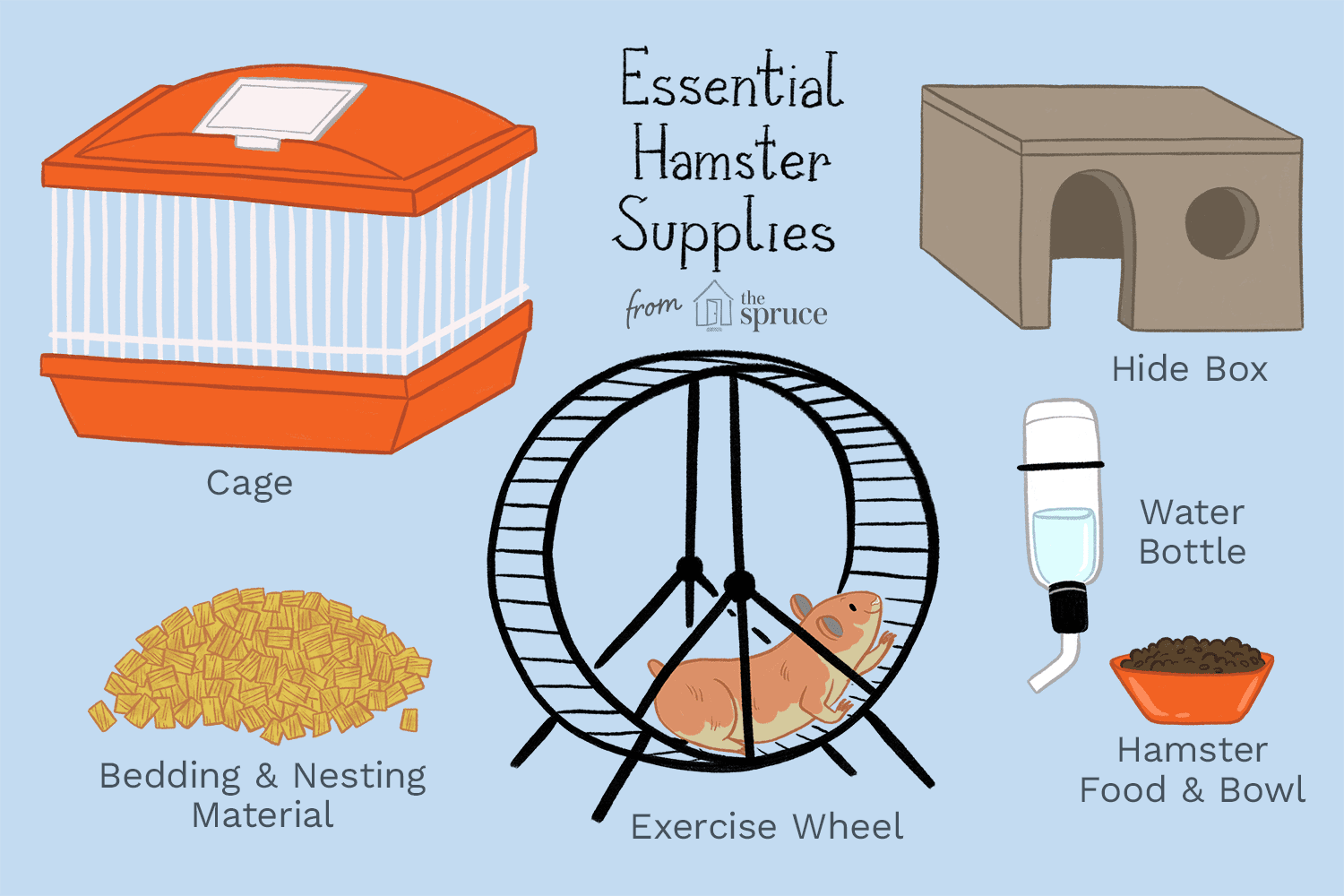
Your dwarf hamster’s new cage is more than just a box; it is the foundation of their health and happiness. Setting up the habitat correctly from day one prevents common stressors and keeps your pet safe. Focus on three core elements: appropriate bedding, a properly sized exercise wheel, and stable temperature control.
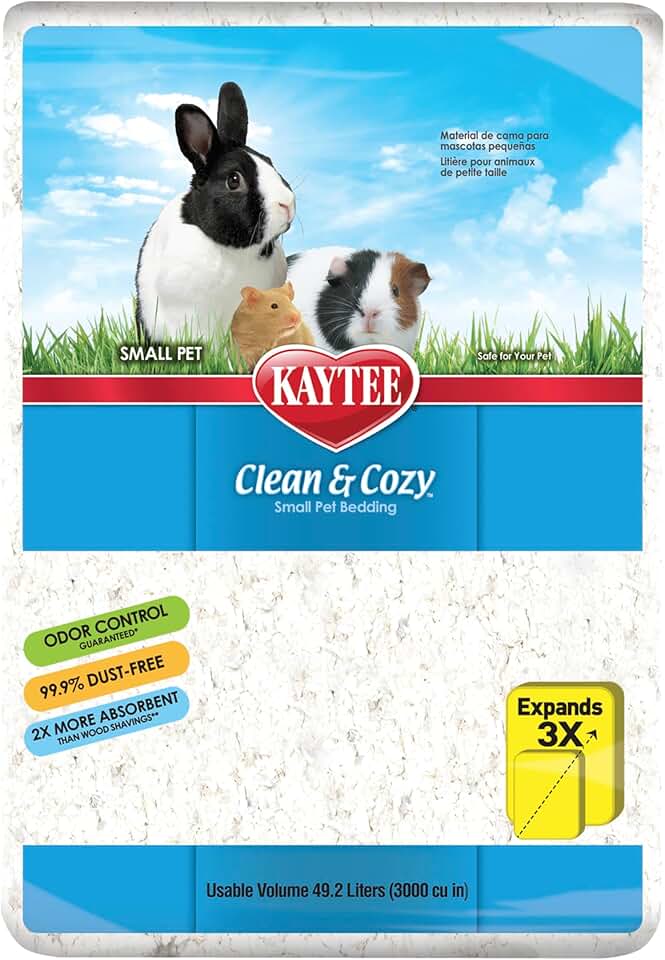
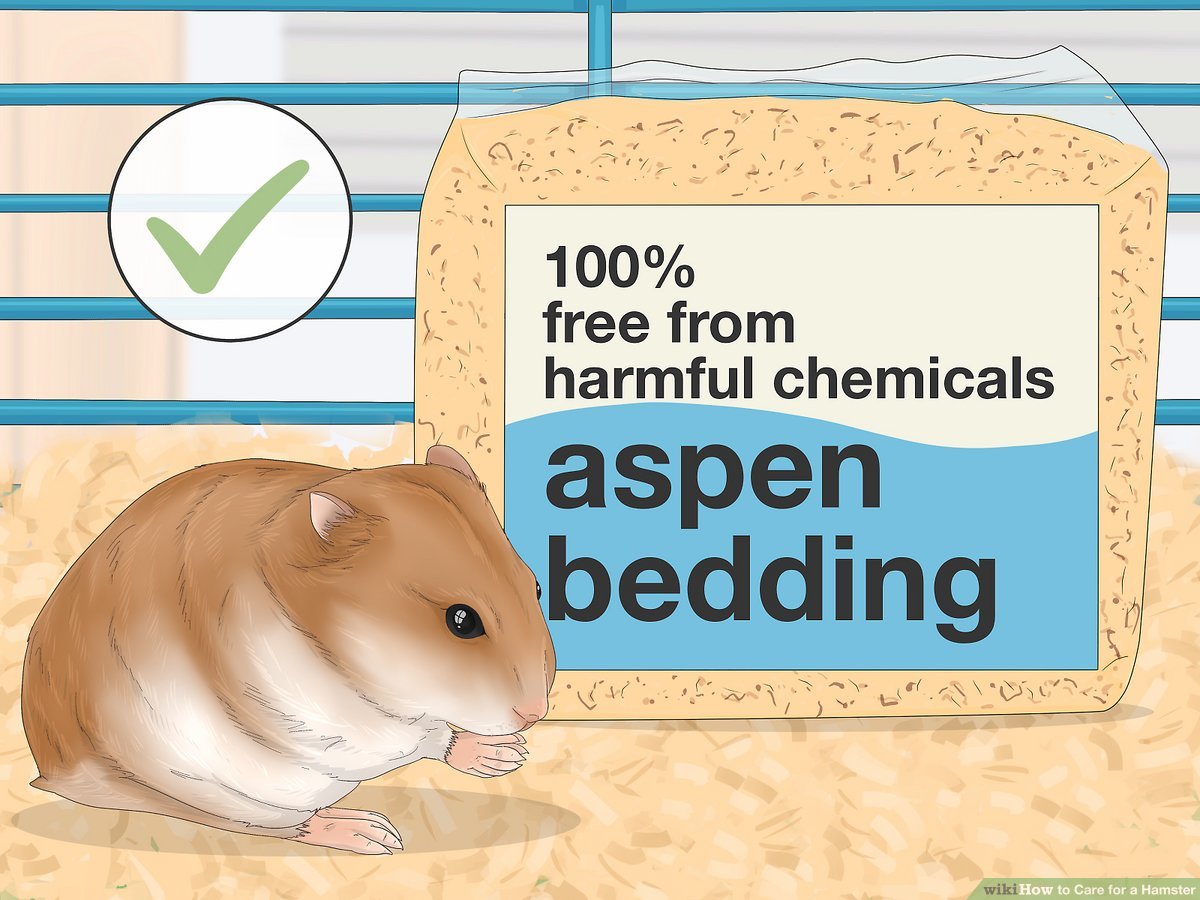
Bedding is the first thing your hamster will interact with. Avoid cedar or pine shavings, which contain aromatic oils that can damage their sensitive respiratory systems. Instead, opt for paper-based bedding or aspen shavings, which are safe and highly absorbent. A deep layer of bedding (at least 6-8 inches) allows them to burrow, a natural instinct that reduces anxiety. Replace soiled areas daily and do a full change once a week to keep odors in check without stripping away all their scent markers.
Exercise is non-negotiable for dwarf hamsters, but the wrong wheel can cause spinal injuries. For Syrian hamsters, you need a wheel at least 11 inches in diameter, while dwarf hamsters require a minimum of 8 inches. Look for solid surfaces like wood or plastic rather than wire or mesh, which can trap tiny toes and cause fractures. Ensure the wheel runs quietly and has a secure backplate so it doesn’t wobble or tip over during vigorous night-time running.
Hamsters are sensitive to temperature fluctuations and thrive in a stable environment between 65°F and 75°F (18°C–24°C). Place the cage away from direct sunlight, drafts, and heating vents. If your home gets too warm, especially in summer, you can use frozen water bottles wrapped in a towel and place them in the cage to provide a cool spot. Conversely, in colder months, ensure the room stays consistently warm to prevent hibernation-like states, which can be fatal for domestic hamsters.

A bare cage is a stressful cage. Provide at least two small hideouts, such as ceramic igloos or wooden houses, where your hamster can retreat and feel secure. Add chew toys made from safe wood to keep their teeth trimmed and their minds engaged. Scatter a small amount of foraging food in the bedding to encourage natural digging and searching behaviors, which helps burn off energy and reduces boredom.
Common cage mistakes to avoid
Choosing the wrong habitat is the fastest way to stress a dwarf hamster. Many owners start with small, wire-bottomed cages that look convenient but fail to meet basic welfare needs. Hamsters are ground-dwelling burrowers that require solid flooring to protect their feet and ample floor space to roam. A cage that is too small or has gaps in the base can lead to foot injuries, respiratory issues from dust, and chronic anxiety.
One frequent error is using cages with wire bottoms. These structures cause pododermatitis, a painful inflammation of the foot pads, because hamsters cannot dig or walk comfortably on metal grids. Instead, opt for a solid-bottomed enclosure, such as a large aquarium or a plastic bin cage, which provides a safe, continuous surface. If you must use a wire cage, ensure it has a solid tray insert and is large enough to allow for natural behaviors.
Another mistake is underestimating the space required for a single hamster. While some sellers market cages for "small pets," dwarf hamsters need at least 450 square inches of floor space per animal. Crowding them in tiny habitats restricts their ability to explore and exercise, leading to stereotypic behaviors like bar chewing. Selecting a cage that prioritizes horizontal space over vertical height better supports their natural instincts.
Finally, avoid placing cages in high-traffic areas or near direct sunlight. Hamsters are sensitive to temperature fluctuations and loud noises, which can disrupt their sleep and increase stress levels. A quiet, stable environment with consistent temperatures between 65-75°F helps them thrive. By avoiding these common pitfalls, you create a safer, more enriching home that supports your hamster's health and longevity.
Frequently asked questions about dwarf hamster cages
How big should a dwarf hamster cage be?
Dwarf hamsters need ample space to run and explore. While some sellers suggest small tanks, experts recommend a minimum floor space of 450 square inches. Larger enclosures like the Ferret Nation or large Critter Trail tanks provide the necessary room for exercise wheels and burrowing.
What is the safest material for a hamster cage?
Plastic and glass are generally safe choices. Avoid wire cages with wide gaps, as dwarf hamsters can squeeze through and escape. If you choose a cage with a wire base, ensure the spacing is narrow enough to prevent injury or escape. Always check that all materials are chew-resistant and non-toxic.
How often should I clean the cage?
Spot clean the cage daily by removing soiled bedding and leftover food. Perform a full deep clean with warm water and pet-safe disinfectant once a week. Regular cleaning prevents ammonia buildup from urine, which can harm your hamster's sensitive respiratory system.
Can I use cedar or pine shavings for bedding?
No. Cedar and pine shavings contain aromatic oils that can cause liver damage and respiratory issues in hamsters. Stick to paper-based bedding or aspen shavings, which are safe and absorbent. Avoid soft cotton or fleece bedding that can wrap around limbs and cause injury.
Do dwarf hamsters need a wheel?
Yes, exercise is essential for their physical and mental health. Choose a solid-surface wheel, typically 6-8 inches in diameter for dwarfs, to prevent back injuries. Wire wheels can hurt their feet. Place the wheel in a quiet area to avoid disturbing their sleep cycle.
Is it okay to keep two dwarf hamsters together?
Some dwarf species, like Campbell's and Winter Whites, can sometimes live in same-sex pairs if introduced young and with ample space. However, they are prone to territorial aggression. Russian dwarfs are generally solitary. Monitor them closely for fighting and be prepared to separate them immediately if needed.
No comments yet. Be the first to share your thoughts!