


Why cage size matters for dwarf hamsters
A dwarf hamster’s cage is more than just a container; it is the entire environment where your pet lives, eats, sleeps, and exercises. Unlike larger Syrian hamsters, dwarf varieties are prone to specific health issues like diabetes and obesity, which are directly linked to their living conditions. Providing adequate space is the single most effective way to prevent these problems and support a healthy dwarf hamster lifespan.
Dwarf hamsters are natural runners. In the wild, they cover several kilometers every night. Confining them to a small, cramped box restricts this instinctual behavior, leading to stress, repetitive pacing, and weight gain. The baseline requirement for any dwarf hamster habitat is at least 450 square inches of unbroken floor space. This means the floor area must be a single, continuous rectangle, not divided by levels or tubes that reduce usable ground.
Vertical space also plays a role, though it cannot replace floor area. A cage height of at least 12 inches allows for proper bedding depth, which is essential for burrowing. Burrowing provides mental stimulation and helps regulate body temperature. When floor space is sufficient, you can add enrichment items like wheels, tunnels, and hideouts without overcrowding the habitat.
Choosing the right cage size is the first step in responsible dwarf hamster care. It sets the foundation for their physical health and mental well-being. When evaluating options, prioritize floor space over vertical complexity. A spacious, ground-level habitat will always serve your dwarf hamster better than a small, multi-level tower.
Top rated hamster cages for small breeds
Dwarf hamsters are tiny but energetic. They need a secure home that prevents escapes while offering enough room to run. A good cage for a dwarf hamster must have narrow bar spacing—ideally 0.25 inches or less—and a locking mechanism that holds up against determined chewers.
When choosing a habitat, look for wide floor space rather than just height. These small rodents prefer to explore horizontally. A large, single-level base or a well-ventilated tank setup often works better than tall, multi-level wire cages that can feel overwhelming or unsafe for such small paws.
Below are three highly rated options that meet these specific needs for dwarf hamsters.


As an Amazon Associate, we may earn from qualifying purchases.
Cage materials and safety features
Choosing the right habitat starts with understanding how each material holds up to a dwarf hamster’s natural behaviors. These small rodents are persistent chewers and skilled escape artists, so the cage structure must be both durable and secure. The three main options—plastic, glass, and wire—each present distinct advantages and risks that directly impact your pet’s health and safety.
Plastic cages: durability and chew resistance
Plastic enclosures, often sold as modular habitats or modified storage bins, are highly resistant to chewing. This makes them an excellent choice for dwarf hamsters who might otherwise gnaw through weaker materials. However, ventilation can be a concern if the plastic is solid and lacks adequate airflow holes. Ensure any plastic cage you select has sufficient ventilation grilles to prevent humidity buildup, which can lead to respiratory issues.
Glass tanks: safety and containment
Glass aquariums offer a solid, chew-proof barrier that prevents escapes and contains bedding dust effectively. The heavy glass base is stable, but the open top requires a secure wire mesh lid to prevent climbing out. While safe from a chewing perspective, glass tanks can retain heat, so monitor room temperature closely. They are also heavier and harder to clean thoroughly compared to plastic alternatives.
Wire cages: ventilation vs. escape risk
Wire cages provide superior airflow, which is beneficial for temperature regulation. However, the gaps in the wire flooring or mesh can pose a serious injury risk if the spacing is too wide, potentially leading to twisted ankles or lost toes. Additionally, dwarf hamsters can often squeeze through small wire gaps. If you choose a wire cage, verify that the floor is solid or covered with a safe substrate, and ensure the mesh gaps are no wider than half an inch.
Comparison of cage types
The table below summarizes the key trade-offs between these materials to help you weigh safety against maintenance.
| Material | Chew Resistance | Ventilation | Escape Risk |
|---|---|---|---|
| Plastic | High | Moderate | Low |
| Glass | High | Low | Low (with lid) |
| Wire | Low | High | High (if gaps are large) |
Essential habitat accessories for longevity
A cage alone does not keep a dwarf hamster healthy. The accessories you choose directly influence their physical activity, mental stimulation, and stress levels. Proper bedding, a correctly sized wheel, and secure hideouts are the non-negotiable foundations of a long-lived dwarf hamster.
Bedding: The Foundation of Health
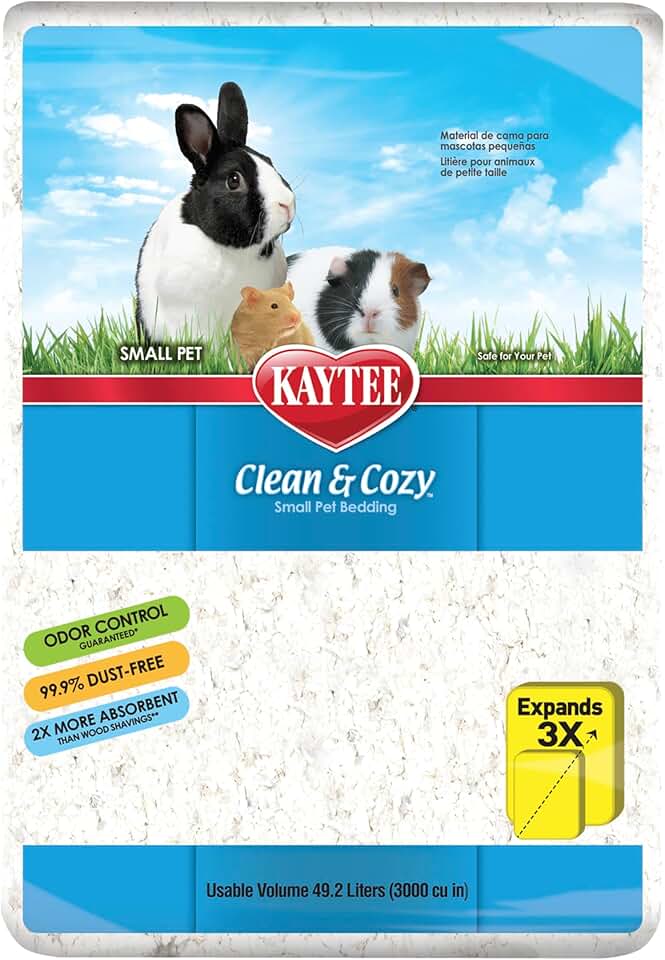
Bedding is where your hamster spends most of its time. It serves three critical purposes: insulation, burrowing, and waste absorption. For dwarf hamsters, deep bedding is essential because they are natural burrowers. A layer at least six to eight inches deep allows them to create complex tunnel systems, which reduces anxiety and promotes natural behaviors.
Avoid cedar or pine shavings, as the aromatic oils can cause respiratory issues. Instead, choose paper-based bedding or aspen shavings. These materials are dust-free and safe for prolonged contact. Change the bedding partially every week to maintain hygiene without destroying their scent-marked territory.
Exercise Wheels: Preventing Obesity
The exercise wheel is the most important piece of equipment in a dwarf hamster’s habitat. Dwarf hamsters are high-energy animals that can run several miles in a single night. Without a proper outlet, they can develop obesity, muscle atrophy, and boredom-induced stereotypic behaviors.
Size matters more than brand. The wheel diameter must be large enough to keep your hamster’s spine straight while running. For most dwarf hamster breeds, a minimum of 8 inches (20 cm) is required. Smaller wheels force them to arch their backs, leading to chronic spinal pain. Ensure the wheel is silent and has a solid running surface to protect their tiny feet.
Hideouts: Security and Sleep
Hamsters are prey animals with a strong instinct to hide. They need dark, enclosed spaces to feel safe and to sleep during their active hours. Without adequate hiding spots, a hamster may become stressed, aggressive, or lose its appetite.
Place at least two hideouts in the cage: one in a quiet corner and another near the activity zone. Ceramic or wood hides are durable and easy to clean, while plastic tubes offer tunnel-like excitement. Ensure the entrance is wide enough for your specific dwarf hamster breed to enter and exit comfortably without getting stuck.


As an Amazon Associate, we may earn from qualifying purchases.
Setting Up a Safe Environment for New Owners
Buying the right dwarf hamster cage is just the first step. Once your new pet arrives, creating a stable, stress-free habitat ensures they thrive from day one. This setup checklist helps you transition from "I got a hamster" to a confident owner by focusing on safety and comfort.
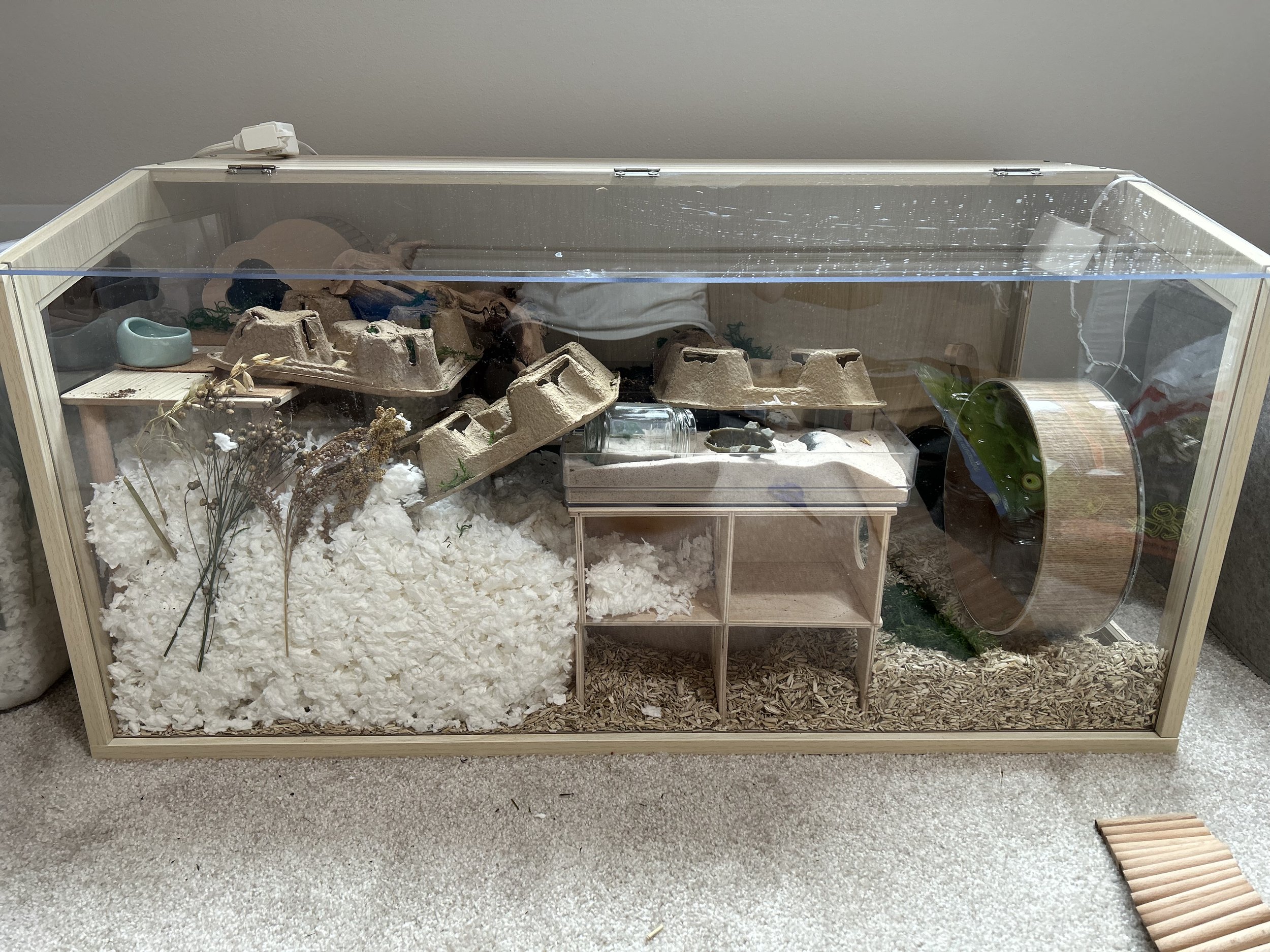
Place the cage in a quiet room with consistent temperatures between 65°F and 75°F. Hamsters are sensitive to drafts, direct sunlight, and loud noises, which can cause stress or hibernation-like states. Avoid high-traffic areas like kitchens or hallways to ensure they get the rest they need.
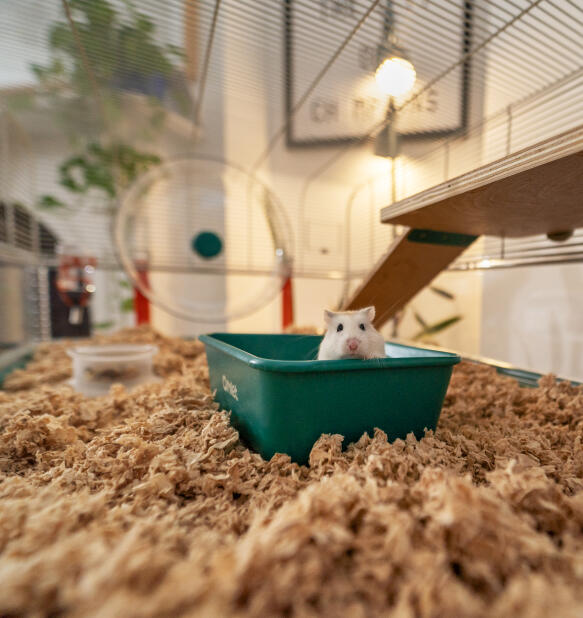
Dwarf hamsters are burrowers, so provide at least 6–10 inches of safe, dust-free bedding. Paper-based or aspen bedding works best; avoid cedar or pine shavings, which contain harmful aromatic oils that can damage their respiratory systems. This depth allows them to dig tunnels and feel secure.
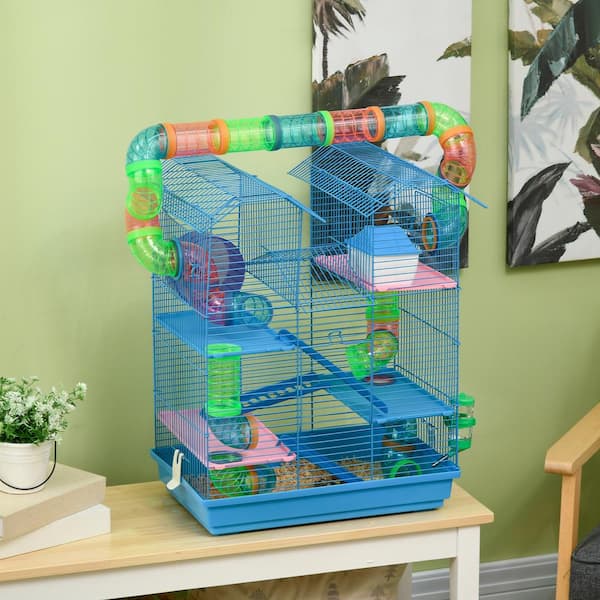
A solid-surface exercise wheel (at least 8 inches for dwarfs) is non-negotiable for physical health. Include a small hideout for sleeping and a food bowl that’s heavy enough not to tip over. These items mimic natural behaviors and prevent boredom.
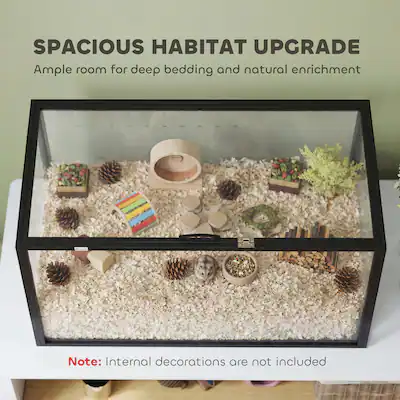
Have a mix of high-quality hamster pellets, seeds, and occasional fresh vegetables like broccoli or cucumber ready before arrival. Always provide fresh water via a sipper bottle, checking it daily to ensure it flows properly. Avoid sugary treats or human foods that can upset their delicate digestion.


As an Amazon Associate, we may earn from qualifying purchases.
Common dwarf hamster cage: what to check next
Dwarf hamsters need specific conditions to stay healthy. Their small size and high energy levels mean standard small cages often fall short. Here are answers to the most frequent questions about housing these active pets.
What is the minimum cage size for a dwarf hamster?
Dwarf hamsters require more space than their Syrian cousins because they are highly active. The absolute minimum floor space is 450 square inches, though 600+ square inches is better. Tall, multi-level cages often fail to provide adequate running space because hamsters prefer horizontal movement. A large, single-level bin cage or a spacious glass tank with a secure mesh lid is often the best choice for their mental health.
Can I use a wire cage for a dwarf hamster?
Wire cages are generally not recommended for dwarf hamsters. Their tiny paws can get caught in wire gaps, leading to serious injuries like broken legs or twisted joints. Additionally, dwarf hamsters are prone to getting their heads stuck in larger openings. If you must use a wire cage, ensure the bar spacing is no wider than half an inch, but a solid-bottomed cage is safer and easier to clean.
What temperature range is best for a dwarf hamster cage?
Hamsters are sensitive to temperature fluctuations and should stay between 65 and 75 degrees Fahrenheit (18-24°C). Avoid placing their cage in direct sunlight, near heating vents, or in drafty areas. Extreme heat can cause heatstroke, which is fatal, while cold drafts can lead to hibernation-like states that are dangerous for captive hamsters. Keep the cage in a quiet, stable room away from loud noises and other pets.
No comments yet. Be the first to share your thoughts!