


Choosing the right hamster cage
The foundation of hamster health is a properly sized enclosure. Small wire cages with wide bar spacing are common in retail stores, but they often fail to meet basic welfare standards. Hamsters need solid floors to protect their sensitive footpads and enough space to run, burrow, and explore. A cramped habitat leads to stress, repetitive behaviors, and poor health.
When selecting a cage, prioritize floor space over height. Syrian hamsters, for instance, require at least 450 square inches of continuous floor space. Dwarf hamsters need slightly less but still benefit from larger areas. Ventilation is equally important; a solid-bottom cage with a wire mesh top prevents ammonia buildup from urine while keeping the animal secure. Aquariums and glass terrariums work well for this, provided the lid is secure and ventilated.
Image: Hamster Care
| Cage Type | Floor Space | Ventilation | Chew Resistance |
|---|---|---|---|
| Glass Aquarium | High (Customizable) | Good (with mesh lid) | Excellent |
| Wire Cage (Small) | Low | Excellent | Poor |
| Wire Cage (Large) | Medium-High | Good | Poor |
| Plastic Tub (DIY) | Medium | Fair (needs mods) | Good |
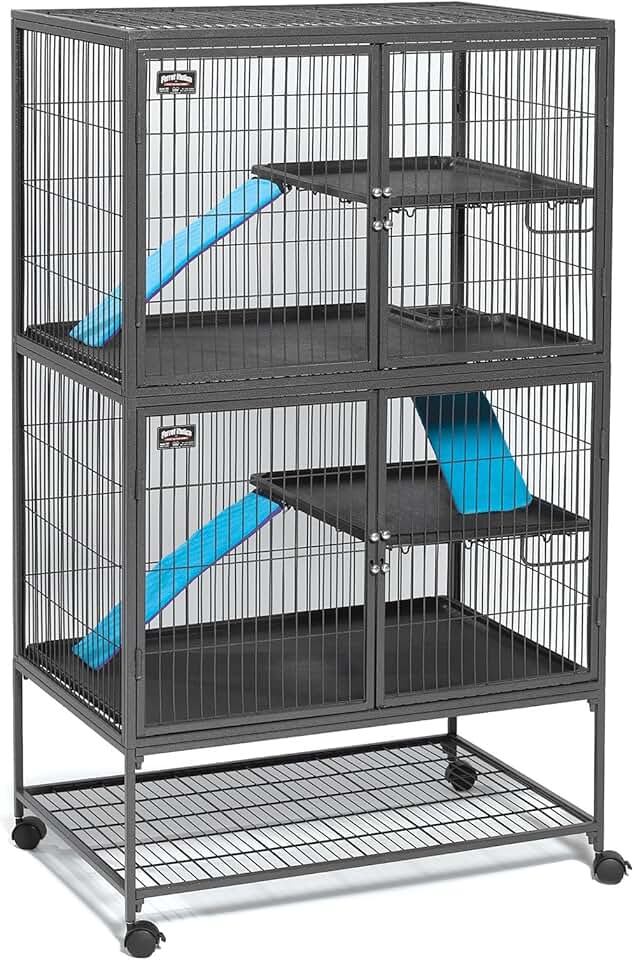
Avoid cages with wire bottoms, even if they include plastic platforms. These create hot spots and injury risks. Similarly, ignore cages with multiple levels connected by narrow ramps; hamsters are not climbers and these structures often lead to falls. Instead, opt for a single-level, wide enclosure that allows for deep bedding—a crucial element for natural burrowing behavior. The right cage is not just a container; it is the primary environment where your hamster lives its entire life.


As an Amazon Associate, we may earn from qualifying purchases.
Setting up a burrow-friendly habitat
Hamsters are natural burrowers. In the wild, they dig extensive tunnel systems to escape predators and regulate their body temperature. A cage with insufficient bedding forces them to live on the surface, which can lead to stress and repetitive behaviors. Providing deep, soft substrate allows them to express this instinct, creating a more enriching and comfortable home.
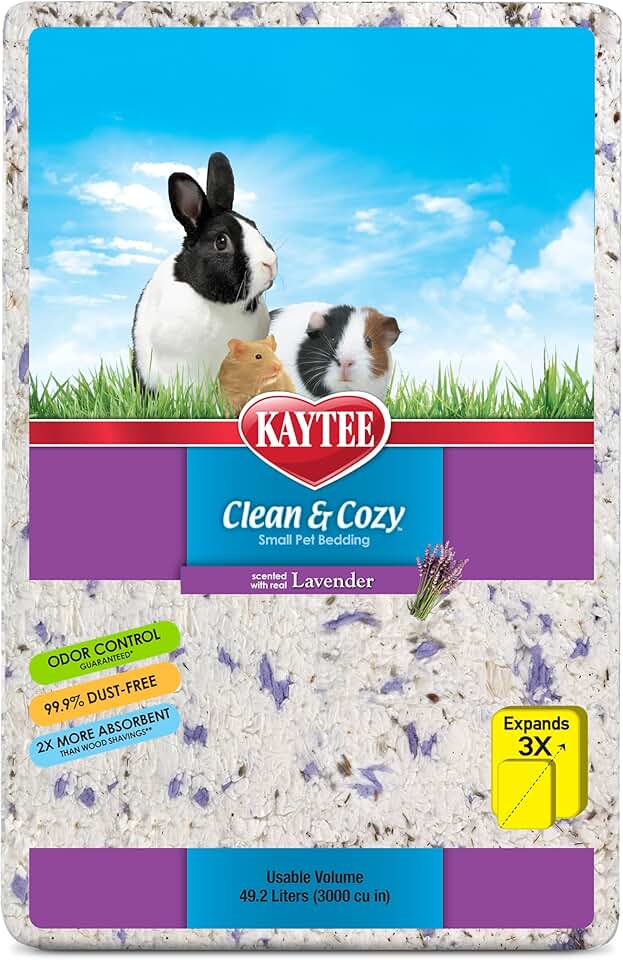
Aim for at least 6 to 8 inches of bedding. Paper-based bedding is highly recommended because it holds burrow structures well and is soft on paws. Avoid cotton or fibrous materials, which can cause intestinal blockages if ingested.
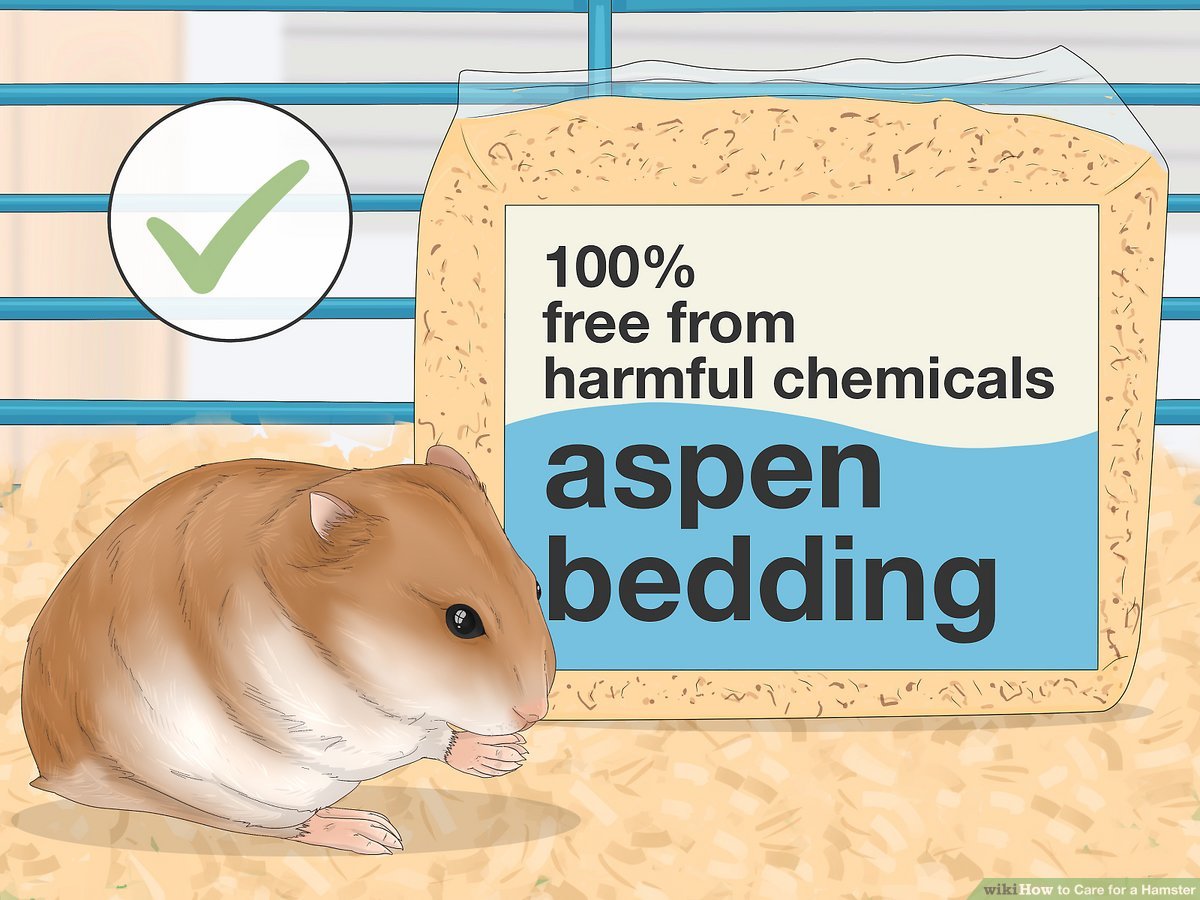
Start with a base layer of absorbent material, then add a top layer of softer bedding for nesting. This mimics the layered soil structure hamsters create in the wild, offering both stability and comfort.
Ensure all bedding is dust-free and free from artificial fragrances. Cedar and pine oils are toxic to small mammals. Aspen shavings or recycled paper bedding are the safest and most effective options for maintaining a healthy habitat.

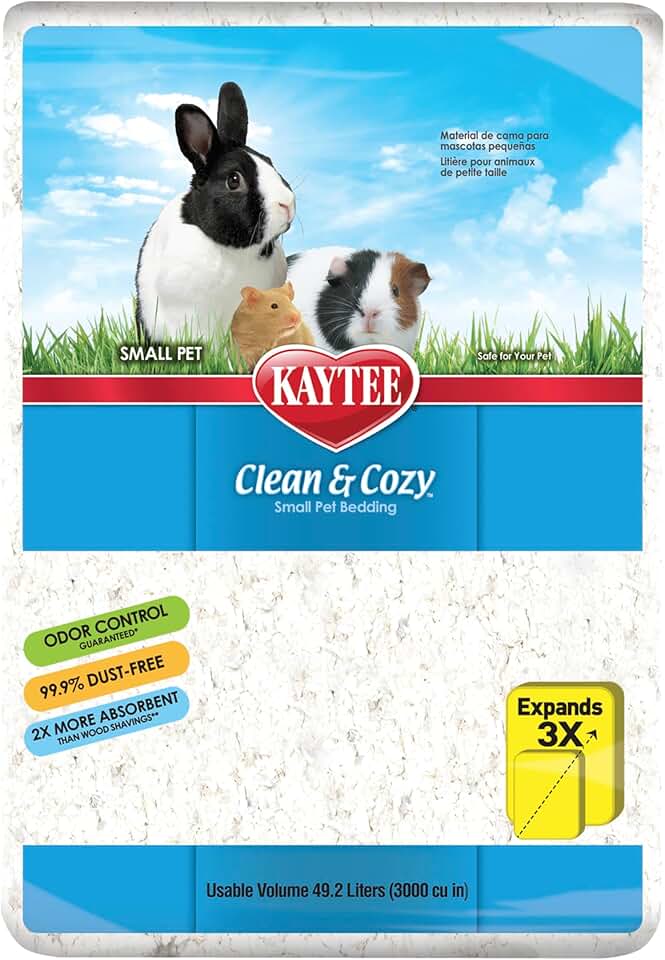

As an Amazon Associate, we may earn from qualifying purchases.
Essential enrichment and exercise gear
A solid-surface exercise wheel is the single most important piece of equipment in a hamster habitat. Without it, your pet cannot satisfy its instinct to run, which often leads to stress, pacing, or health issues. A wheel isn't just a toy; it's a necessity for physical and mental well-being.
Look for a wheel that is at least 8 inches (20 cm) in diameter for Syrian hamsters, and 6-7 inches (15-18 cm) for dwarf varieties. The surface must be solid, not wire or mesh, to prevent foot injuries like bumblefoot. Ensure the wheel runs quietly and has no pinch points where toes or tails could get caught.
Beyond the wheel, provide enrichment to prevent boredom. Hide food in tunnels or dig boxes filled with safe, deep bedding to encourage natural foraging behaviors. Avoid cotton or fibrous bedding, which can cause intestinal blockages if ingested. Rotate toys weekly to keep their environment stimulating.



As an Amazon Associate, we may earn from qualifying purchases.
Diet and health basics for dwarf hamsters
Start The Essential Hamster with the constraint that matters most in real life: space, timing, budget, skill level, maintenance, or availability. That first constraint should shape the rest of the plan instead of appearing as an afterthought. Keep the first pass simple enough to verify. Compare the main options against the same criteria, remove choices that only work in ideal conditions, and save optional upgrades for later.
The simplest way to use this section is to keep the setup small, verify each change, and record the stable configuration before adding optional accessories.
Cleaning schedule and maintenance
A consistent cleaning routine keeps your hamster healthy without stripping the scent markers they rely on for security. Hamsters are sensitive to new smells, so complete cage overhauls can cause stress. Instead, use a spot-cleaning approach for daily upkeep and reserve a full clean for once a week. This balance maintains hygiene while preserving the familiar environment your pet needs to thrive.
Follow this routine to keep the habitat fresh and the hamster calm:

Remove wet spots, soiled bedding, and leftover fresh food every day. Wet bedding breeds bacteria quickly, which can lead to respiratory issues. Leave the dry bedding and scent-rich areas untouched to maintain the hamster’s sense of territory.

Once a week, empty the food bowl and wash it with warm water and a drop of dish soap. Refill with fresh pellets and a small portion of fresh vegetables. Clean the water bottle nozzle to prevent clogs, which are a common cause of dehydration.

Every two weeks, remove all bedding and toys. Wash the cage base, wheel, and hideouts with hot water and vinegar or a pet-safe disinfectant. Rinse thoroughly. Replace only half of the old bedding with fresh material, mixing in some of the soiled bedding to preserve scent cues.
Check the wheel for cracks or loose parts during your weekly clean. Ensure the hideouts are stable and the bedding depth is sufficient for burrowing. Replace worn-out toys or tunnels to keep the hamster engaged and prevent injury from broken plastic or splintered wood.
Maintaining this schedule prevents odor buildup and disease. Use the following essential supplies to make cleaning easier and safer for your pet.
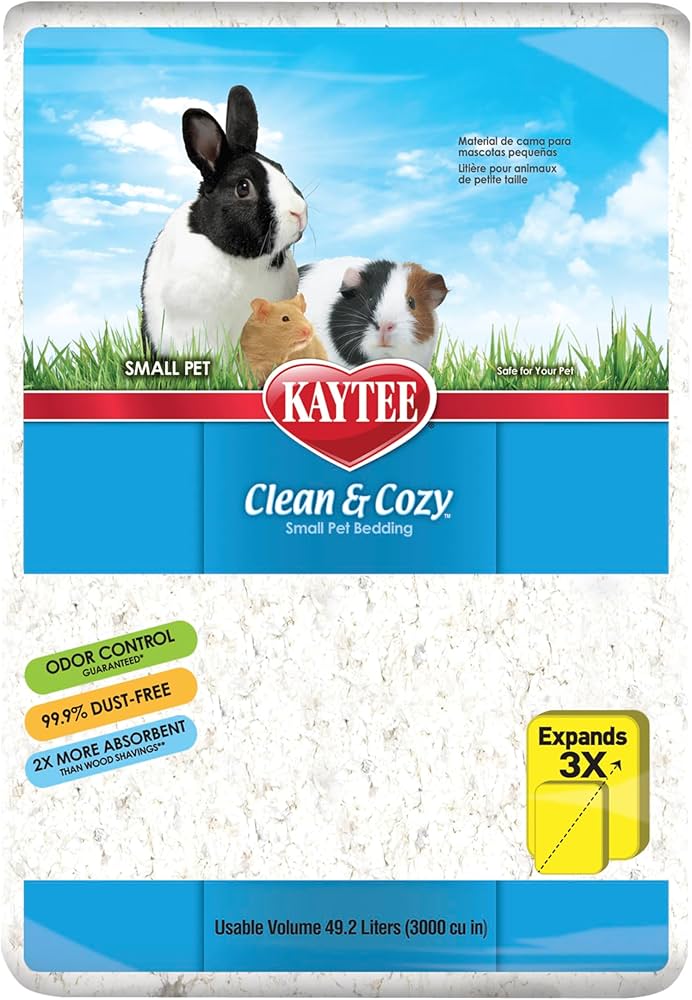


As an Amazon Associate, we may earn from qualifying purchases.
Common hamster care mistakes to avoid
New owners often treat hamsters like miniature dogs or cats, leading to preventable health issues. The most frequent error is underestimating space requirements. A small plastic bin or a cage marketed as "starter size" is insufficient for a Syrian hamster, which needs to run and explore. Confinement in tight spaces causes stress, aggression, and physical injury.
Bedding choices also impact long-term health. Avoid cotton or fibrous materials that can wrap around limbs or be ingested, causing intestinal blockages. Instead, use paper-based or aspen shavings. These provide the necessary depth for burrowing without the risk of entanglement. Proper substrate helps maintain natural behaviors and reduces respiratory irritation.
Temperature control is another critical factor. Hamsters are sensitive to heat and humidity. Keeping their cage in direct sunlight or near heaters can lead to heatstroke, a condition that can be fatal within hours. Aim for a stable environment between 65°F and 75°F (18°C-24°C). Avoid drafty areas and bathrooms where humidity levels fluctuate.
Finally, ensure constant access to an exercise wheel. Hamsters are nocturnal and require nightly running to stay healthy. A wheel that is too small causes spinal curvature and joint pain. Look for solid-surface wheels, as wire mesh varieties can injure their feet. Pair this with a balanced diet and regular cleaning to keep your pet thriving.

As an Amazon Associate, we may earn from qualifying purchases.
Frequently asked questions about hamster care
How long do hamsters live? Most dwarf and Syrian hamsters live between two and three years with proper care. While some may reach four years, their lifespan is generally short, so consistent daily interaction and a stress-free environment are essential.
**What is the best cage size for a hamster?**nA single Syrian hamster needs a minimum floor space of 450 square inches, while dwarfs require at least 200 square inches. Avoid small plastic kits; opt for a tank or a large wire cage with narrow bar spacing to prevent escapes.
**What should I feed my hamster?**nProvide a high-quality commercial seed or pellet mix as a staple, supplemented with fresh vegetables like broccoli or carrots in small amounts. Limit sugary treats and never feed onions, garlic, or citrus, which can be toxic.
As an Amazon Associate, we may earn from qualifying purchases.
No comments yet. Be the first to share your thoughts!