

What your hamster needs first
Before you choose a cage, you need to set the stage. A hamster’s health depends on two non-negotiables: space and temperature. If these basics are off, no amount of bedding or toys will keep your pet happy.
Start with the environment. Hamsters are sensitive to temperature fluctuations. Keep their room between 65 and 75°F (18-24°C). Temperatures above 80°F can be dangerous, leading to heatstroke, while colder drafts can trigger dangerous torpor. Place the cage away from direct sunlight, heating vents, and drafty windows.
Next, consider floor space. The "Now" in Hamster Now means starting right. Don’t settle for small starter kits. Syrian hamsters need at least 450 square inches of floor space, while dwarfs need slightly less but still ample room to run. Look for wide, open layouts rather than tall, narrow towers. Your hamster is a ground runner, not a climber. A spacious base allows for natural burrowing and exercise, which is critical for preventing obesity and stress.
Once you have the right size and location, you’re ready to pick a cage that fits those needs.
Top cage picks for dwarf breeds
Winter White and Long-Haired Dwarf hamsters are small but energetic. They need floor space to run and good airflow to stay healthy. A cramped cage leads to stress and poor health. These recommendations prioritize wide bases and strong ventilation over height.
The Hamster Habitat Upgrade
For new owners, the Omlet Hamster Habitat offers a modular system that grows with your pet. The mesh panels provide superior ventilation compared to solid plastic bins, which is critical for preventing respiratory issues in dwarf breeds. The base is spacious enough for a 12-inch wheel, allowing your hamster to exercise without hitting the walls.
Small Pet Enclosure Options
PetSmart and similar retailers often stock compact but well-ventilated enclosures suitable for Winter Whites. Look for models with wire grids on at least two sides. These breeds burrow, so a solid bottom with deep bedding is more important than climbing bars. Ensure the bar spacing is less than half an inch to prevent escapes.
Essential Accessories for Dwarf Habitats
Regardless of the cage brand, you must add a solid-surface exercise wheel. Plastic wheels with gaps can trap tiny feet, leading to serious injuries. A silent spinner wheel is also a good investment for apartment dwellers. Combine this with a deep layer of paper-based bedding to satisfy their natural digging instincts.


As an Amazon Associate, we may earn from qualifying purchases.
Long-haired vs winter white needs
Choosing the right habitat starts with matching the cage to your hamster’s specific coat and size. While both Long-Haired Syrians and Winter White Dwarfs are popular choices for new owners, their physical differences dictate distinct environmental needs. A one-size-fits-all approach often leads to stress or health issues, particularly regarding burrowing depth and temperature regulation.
Long-Haired Syrian hamsters are larger and require significantly more floor space than their dwarf counterparts. Their thicker coats make them sensitive to heat, so ventilation is critical. They also have a natural instinct to burrow deeply, requiring a bedding depth of at least 6 to 8 inches to satisfy this behavior and maintain body warmth during colder months. A cage like the PawHut 5 Tiers Hamster Cage provides the vertical space and ventilation needed for these active, larger rodents, though the floor space must still be sufficient for their sprawling burrow systems.
Winter White Dwarfs are smaller and more delicate. They thrive in tighter, cozier spaces but still need adequate ventilation. Their thinner coats mean they are less tolerant of extreme cold than Syrians, but they also do not require the massive bedding depth of a Syrian. A secure, well-ventilated enclosure with moderate bedding depth (4-6 inches) is ideal. Overcrowding or excessive bedding can actually cause them stress, as they prefer a more defined, secure territory.
To help you decide which habitat features matter most for your specific breed, compare the key environmental requirements below.
| Breed | Min. Floor Space | Bedding Depth | Temp Preference |
|---|---|---|---|
| Long-Haired Syrian | 450+ sq in | 6-8 inches | 65-75°F |
| Winter White Dwarf | 200+ sq in | 4-6 inches | 65-80°F |
Essential habitat upgrades
The base cage is just the foundation. To make a habitat truly suitable for a hamster, you need to add specific accessories that support their natural instincts. These upgrades transform a simple box into a stimulating environment where your pet can run, burrow, and feel secure.
Exercise wheels and hideouts
A solid exercise wheel is non-negotiable for a hamster’s physical health. Syrian hamsters need a wheel with a diameter of at least 8 inches (20 cm) to run without arching their backs, while dwarf hamsters can manage with 7 inches (18 cm). Look for silent, solid-surface wheels rather than wire mesh, which can trap toes. Alongside the wheel, provide a small hideout. Hamsters are prey animals and need a dark, enclosed space to sleep and retreat to when they feel vulnerable.
Bedding and substrate
Deep bedding allows hamsters to burrow, a behavior that reduces stress and mimics their wild nesting habits. Use paper-based or aspen shavings that are at least 6 inches deep. Avoid cedar or pine shavings, as the aromatic oils can harm their respiratory systems. The bedding also serves as a canvas for their burrowing, creating tunnels and chambers that keep them mentally engaged.


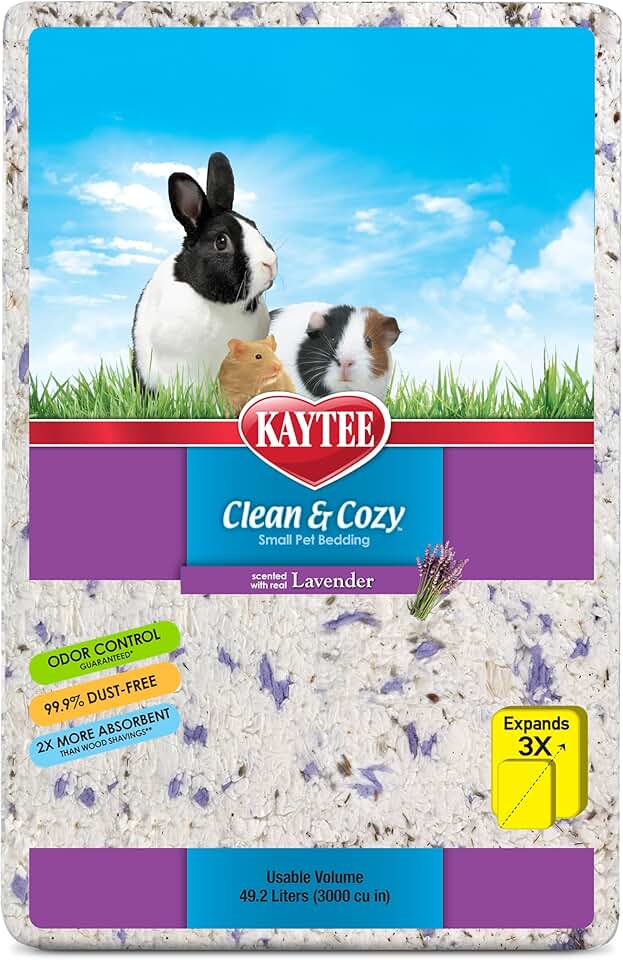
As an Amazon Associate, we may earn from qualifying purchases.
Setting up your new hamster home
The first 24 to 48 hours are critical for helping your new pet adjust to their environment. A smooth transition reduces stress and helps your hamster feel secure in their new space. Follow this checklist to prepare the habitat before bringing your hamster home.
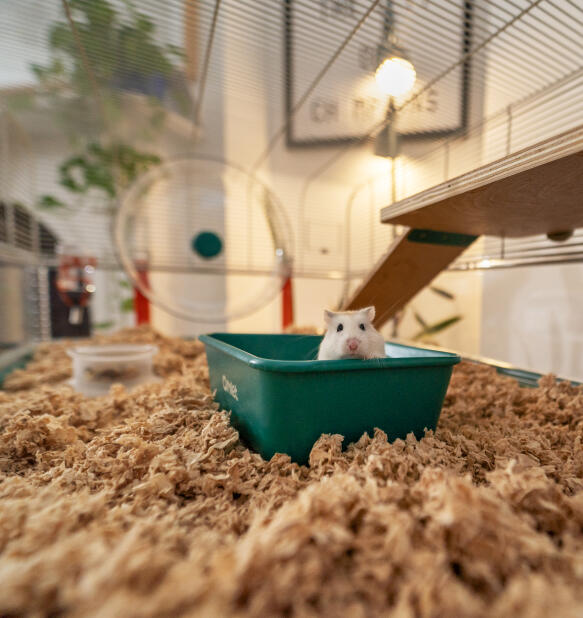
Place the cage in a room with consistent temperatures between 65°F and 75°F. Avoid direct sunlight, drafts, and noisy areas like kitchens or living rooms with frequent foot traffic. Hamsters are sensitive to sudden changes, so a calm corner is ideal.
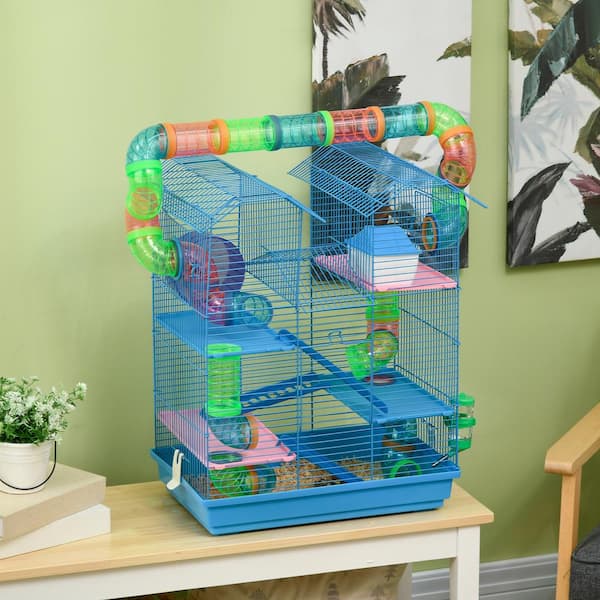
Lay down 6 to 8 inches of paper-based or aspen bedding. This depth allows hamsters to burrow, which is a natural behavior that provides comfort. Avoid cedar or pine shavings, as the aromatic oils can irritate their respiratory systems.
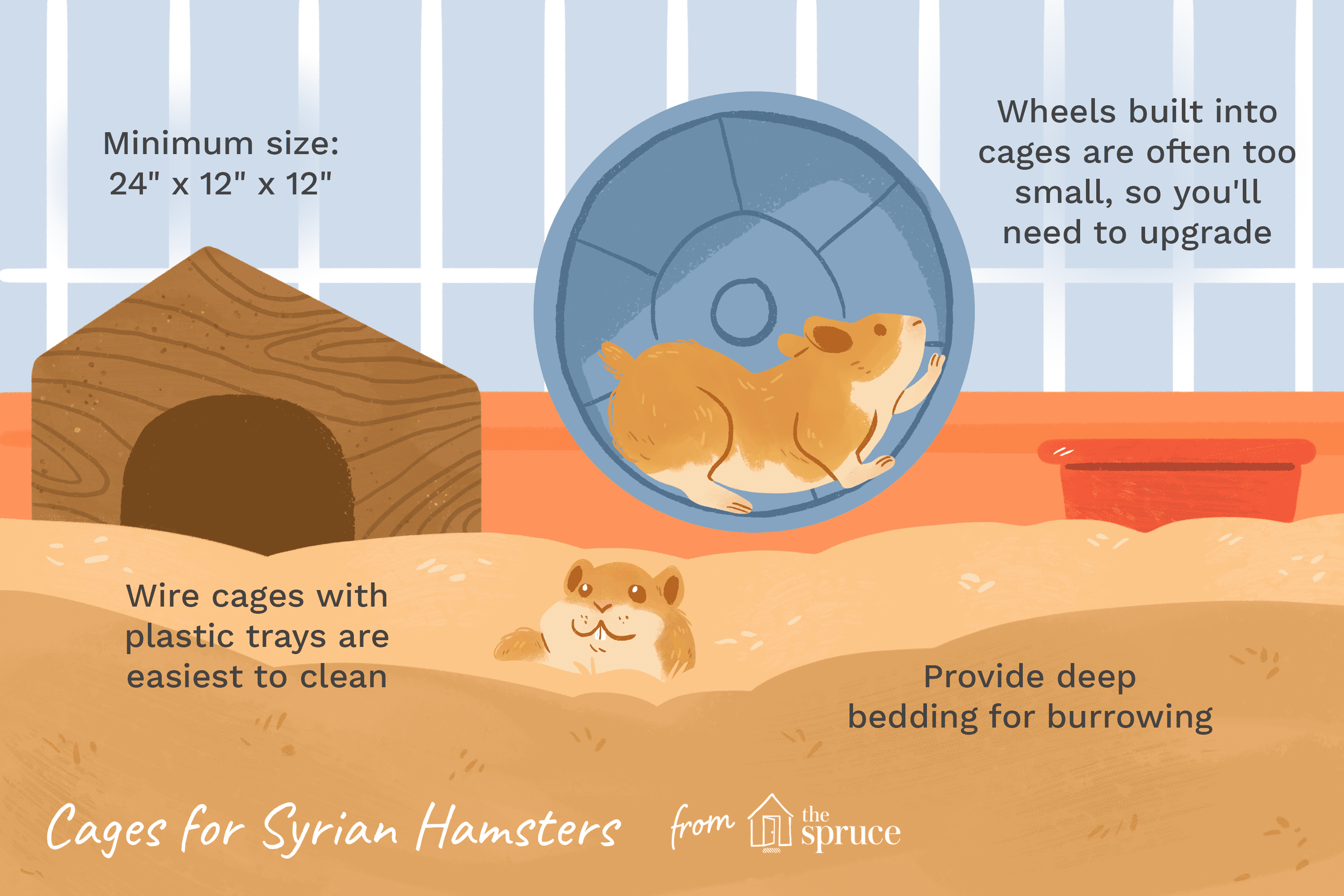
Set up a solid-surface exercise wheel, a hideout, and a food bowl. Ensure the wheel is the correct size for your hamster species—Syrians need at least 11 inches in diameter. Secure all items so they cannot be tipped over or chewed into small, swallowable pieces.
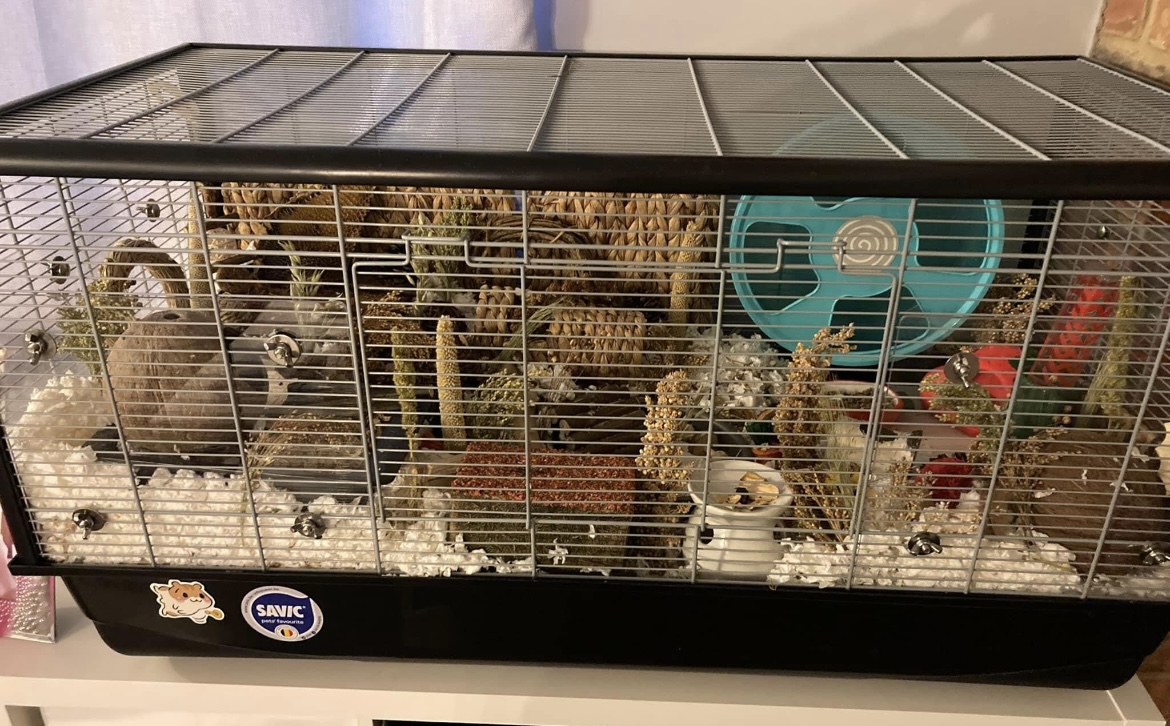
Place the carrier in the new room and open it without reaching in. Let your hamster explore on their own terms. Speak softly and avoid loud noises. Do not attempt to handle them for the first 24 hours; let them settle into their new routine.

Check the cage daily for any loose wires, sharp edges, or displaced bedding. Ensure fresh water and food are available. Over the next few days, gradually increase interaction by offering treats from your hand to build trust.
Common hamster care: what to check next
New owners often worry about space and compatibility. The right cage size prevents stress and health issues, while understanding breed differences ensures a good fit for your home. Here are answers to the most frequent questions about setting up a Hamster Now habitat.
No comments yet. Be the first to share your thoughts!