

The Long-Haired Hamster: A Quick ID
A 'long-haired hamster' typically means a Syrian hamster, also called a Golden hamster. This coat variation comes from a genetic mutation causing longer fur than usual. It's not a separate breed, just a Syrian hamster with a specific trait.
Long hair is a recessive trait, meaning both parents need the gene for their pups to have it. Dwarf hamsters sometimes have longer fur, but it's less common and less pronounced than in Syrians. Not every hamster in a litter will inherit the long-hair gene.
It's hard to predict if a young hamster will grow a long coat. You might see a fluffier look as they get older or less shedding. The best way to know is by checking the parents' coat length, which a breeder should tell you. Otherwise, you'll need to watch and adjust your grooming.
TikTok Grooming Trends: What's Real?
TikTok has many grooming 'hacks' for small pets, including hamsters. I've seen videos suggesting human conditioner or complex trimming. While owners want their long-haired hamsters to look good, much of this advice is untested or harmful. Hamster skin is sensitive, and what's safe for humans or other pets might not be for them.
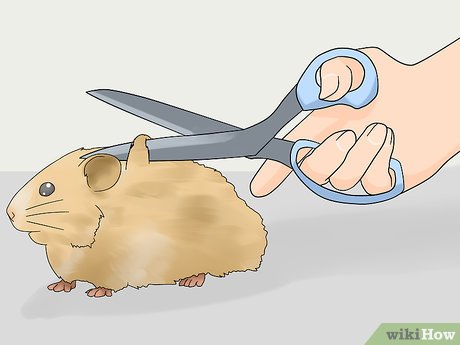
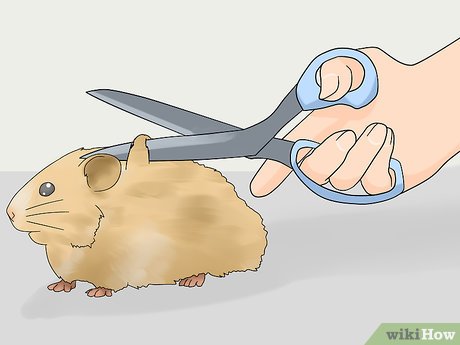
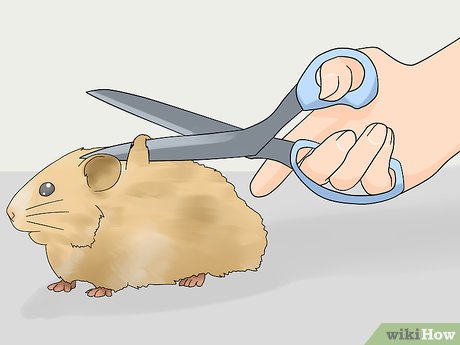
One trend uses diluted human conditioner to add moisture and prevent tangles. While a tiny amount might not cause immediate harm, many conditioners have ingredients that can irritate hamster skin or cause digestive issues if ingested. Videos also show using small scissors to trim matted fur, which is risky. Hamsters move quickly and unpredictably, making accidental cuts a real danger.
Baby wipes are suggested for spot cleaning, but they often contain alcohol and fragrances that irritate skin. The popularity of these videos shows owners want good care, but it also means we need to think critically and use reliable sources. We must distinguish helpful advice from potentially harmful ideas. Trying online trends can be tempting, but caution is essential.
Yeah! My ex had a hamster in this super huge clear bin because we couldn't find an adequate sized cage. I know more or less about proper hamster care but will look into everything before becoming a pet owner
— Lex🖤 (@rezespirit) April 13, 2026
Brushing: The Foundation of Long Hair Care
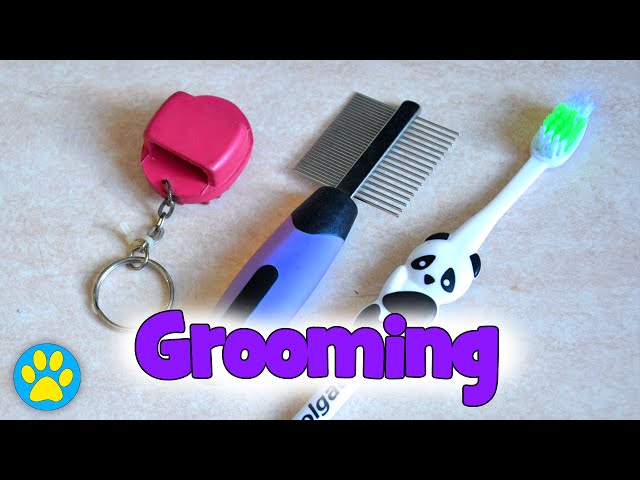
Brushing is the most important part of long-haired hamster care. It stops mats and tangles, spreads natural oils, and removes loose fur to prevent ingestion during self-grooming. Not all brushes work well. A gentle, soft-bristled brush for small animals is a good start. A metal comb with wide teeth can help with minor tangles.
Brush long-haired Syrians daily, even for a few minutes. For dwarf hamsters with longer fur, brushing every other day is enough. Introduce brushing slowly. Let your hamster sniff the brush first. Then, brush a small area and give a treat. My Syrian, Hazel, didn't like brushing at first, but patience and sunflower seeds helped her tolerate it.
Address mats before they become serious. For small tangles, gently work them out with your fingers or a metal comb. Don't pull or tug, as it's painful. Regular brushing stops tangles from becoming large mats. A tiny bit of coconut oil can sometimes help loosen a stubborn tangle, but use it sparingly.
Bath Time? A Hamster's Perspective
Hamsters should not be bathed in water. They stress easily, and getting wet can lower their body temperature, leading to illness. Their coats aren't made for full submersion and take a long time to dry. Spot cleaning is sometimes needed for sticky or dirty fur.
Waterless shampoos for small animals exist, but many contain irritating ingredients, and hamsters often dislike the spray. If you use one, apply it to a cloth and gently wipe the area, avoiding the face, and ensure the hamster doesn't ingest it. A damp cloth is often enough for minor messes.
Waterless shampoo offers convenience for localized dirt. Downsides include potential irritation and the hamster's dislike of the process. Minimize stress by using it only when a damp cloth isn't sufficient. It's a backup tool, not a routine necessity.
Dealing with Mats and Tangles
Mats and tangles are common with long-haired hamsters and require patience. Never pull a mat apart, as it causes pain. For small tangles, gently loosen them with your fingers or a wide-toothed comb, working from the edges. A tiny bit of coconut oil can help, but use it sparingly.
For severe mats, consider blunt-nosed scissors only if you are extremely confident and careful, as cutting your hamster is a real risk. If hesitant, seek professional help from a vet or small animal groomer who can safely remove the mat. A professional's expertise is valuable.
undefined immediately before it has a chance to worsen. Remember to be gentle and patient throughout the process. Your hamster will appreciate your careful approach.
Diet and Coat Health: It's Connected
A healthy coat starts from within. A balanced diet rich in essential nutrients is crucial for maintaining healthy fur. Protein is particularly important, as it’s a building block for hair growth. Ensure your hamster is receiving a high-quality hamster food that meets their nutritional needs. Supplementing with small amounts of hamster-safe foods can also be beneficial.
Omega-3 and omega-6 fatty acids play a vital role in coat health. These essential fats help keep the coat shiny and prevent dryness. You can provide these through small amounts of flaxseed, sunflower seeds (in moderation), or a tiny drop of flaxseed oil mixed into their food. Don't overdo it with the oils, as too much can cause digestive upset. A varied diet is the best approach.
Some hamster-safe foods that promote coat health include cooked, unseasoned chicken (a small piece as a treat), scrambled egg (again, a small amount), and certain vegetables like carrots and broccoli. These provide vitamins and minerals that contribute to overall health and a shiny coat. Remember, treats should only make up a small portion of their diet.
- Flaxseed
- Sunflower seeds (in moderation)
- Flaxseed oil (a tiny drop)
Omega-Rich Dietary Supports
- Flax Seeds - Excellent source of omega-3 fatty acids, promoting a healthy coat. Offer 1/8 to 1/4 teaspoon, 2-3 times per week.
- Chia Seeds - Another fantastic omega-3 source. Provide 1/8 to 1/4 teaspoon, 2-3 times per week. Soak in a tiny amount of water to make a gel for easier consumption.
- Sunflower Seeds - Contain omega-6 fatty acids, but are high in fat, so moderation is key. Limit to 1-2 seeds daily.
- Hemp Seeds - A good balance of omega-3 and omega-6 fatty acids. Offer 1/4 to 1/2 teaspoon, 2-3 times per week.
- Pumpkin Seeds - Provide omega-6 fatty acids and zinc, contributing to skin health. Offer 1-2 seeds daily.
- Walnuts (small amounts) - Contain omega-3 and omega-6, but are high in fat. A tiny piece (roughly 1/8 of a walnut) once a week is sufficient.
- Linseed Oil (very sparingly) - A potent source of omega-3. Dilute 1-2 drops in a tablespoon of unsweetened applesauce or yogurt and offer *very* occasionally (once a month at most).
When to See a Vet
While you can handle many grooming issues at home, there are times when a vet visit is necessary. Be on the lookout for signs of skin problems, such as dryness, irritation, redness, hair loss, or excessive scratching. These could indicate an underlying medical condition that requires treatment. If grooming is causing your hamster significant distress – they’re biting, struggling, or showing signs of fear – stop immediately and consult a vet.
If you're unsure about how to handle a mat or tangle, or if it’s too severe to address yourself, don’t hesitate to seek professional help. A vet or experienced groomer can safely remove the mat and provide guidance on preventing future problems. It’s always better to err on the side of caution when it comes to your hamster’s health.
Regular health checks with your vet are also important. They can identify potential problems early on and provide preventative care. A healthy hamster is a happy hamster, and a healthy coat is a sign of overall well-being. Don’t delay seeking veterinary attention if you have any concerns.
TikTok Grooming Standouts: Worth Trying?
Let’s revisit some of those TikTok trends with our newfound knowledge. The idea of using a very diluted conditioner? Probably best avoided. The risk of irritation outweighs the potential benefits. The "trimming" videos with scissors? Absolutely not. Too dangerous. The suggestion of using a soft toothbrush for brushing? That one isn't terrible – a very soft brush can be helpful, but it’s not a substitute for a proper small animal brush.
The most valuable takeaway from TikTok isn't a specific hack, but the emphasis on grooming. Many owners are clearly dedicated to keeping their long-haired hamsters looking their best. However, it's crucial to filter the information and prioritize safety and well-being. Remember, what looks good in a short video isn’t always good for your hamster. Informed care is the best care.
No comments yet. Be the first to share your thoughts!