

The Rise of the Fluffy: Long-Haired Hamsters on TikTok
There’s a new wave of hamster adoration sweeping across TikTok, and it’s particularly focused on the long-haired varieties. What was once a less common sight is now dominating "For You’ pages, with videos showcasing these fluffy companions racking up millions of views. It"s easy to see why—the aesthetic is undeniably appealing, the long fur lends itself to adorable photos and videos, and the grooming process itself has become a source of content for many owners. People seem to enjoy watching the transformation from a slightly scruffy to a beautifully brushed hamster.
This surge in popularity isn't without its potential downsides. The demand for these hamsters—and the desire to replicate the looks seen online—can sometimes lead to unrealistic expectations. Not all hamsters naturally grow long fur, and attempting to force it (or using inappropriate grooming techniques) can be harmful. The internet can be a wonderful source of information, but it's also ripe for misinformation, and it’s important to approach these trends with a healthy dose of skepticism and a commitment to responsible hamster care.
The focus on appearance can also overshadow the essential needs of these little animals. A long-haired hamster is still a hamster, requiring a proper habitat, a balanced diet, and plenty of enrichment. The trend is highlighting grooming, but it's easy to get caught up in the 'look' and forget the fundamentals of good hamster ownership. We're seeing a lot of discussion around Syrian hamsters specifically, though some Roborovski mixes can display longer fur as well.
Which Hamsters Get Long Hair?
While several hamster breeds exist, long hair is overwhelmingly associated with Syrian hamsters. This is due to a recessive gene that causes their fur to grow longer than usual. If both parents carry this gene, there’s a higher chance of offspring exhibiting the long-haired trait. You’ll often see them referred to as "teddy bear’ hamsters because of their fluffy appearance. It’s a genetic variation within the Syrian hamster species, not something that can be ‘achieved" in other breeds.
Roborovski hamsters can sometimes display longer fur, but it’s less predictable and often stems from crossbreeding. If a Roborovski has been bred with another species, it might inherit the long-hair gene. However, purebred Roborovskis do not naturally have long hair. It’s crucial to understand that dwarf hamsters like Winter White and Campbell’s Russian hamsters are not naturally long-haired. If you see one appearing to have long fur, it’s likely a sign of a different issue – potentially a skin condition, a poor diet affecting coat health, or a mix.
For a comprehensive overview of all the different hamster breeds and their characteristics, Hamster Now’s breed guide is a great resource. It provides detailed information on each type, helping you understand what’s normal and what isn’t when it comes to coat length and appearance. Understanding the genetics is key to setting realistic expectations and ensuring your hamster’s well-being.
This morning or last night
— Ashley 🐹 (@warnadud3) September 1, 2025
Squash my Syrian long haired hamster passed away
I’ve expected this would happen relatively soon after suspecting he may have had cushings? Or atleast knowing he was losing hair rapidly from old age
I miss him already, wanted to inform you guys <3
Daily Coat Maintenance: Preventing Mats and Tangles
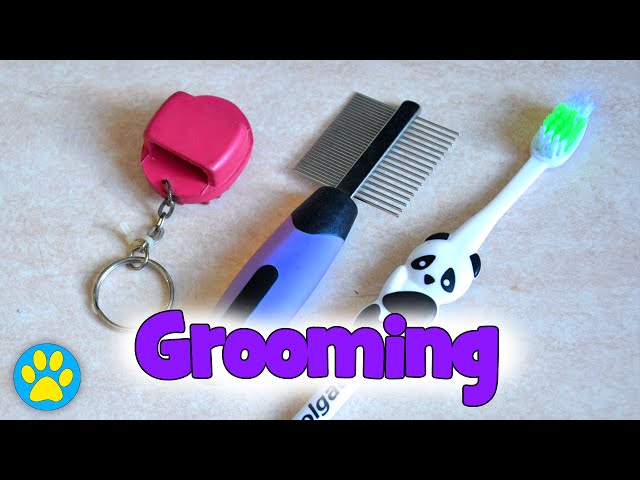
Preventative grooming is the cornerstone of long-haired hamster care. Daily or near-daily brushing is absolutely essential to prevent mats and tangles from forming. Think of it like brushing your own hair – regular maintenance is much easier than trying to detangle a stubborn knot. A soft-bristled brush is your best friend here; a baby toothbrush or a brush specifically designed for small animals works well. Avoid brushes with metal bristles, as these can irritate the skin.
When brushing, always go with the grain of the fur, gently gliding the brush through the coat. Avoid pulling or tugging, as this can be painful and stressful for your hamster. Pay close attention to areas prone to matting, such as the flanks, armpits, and around the rear end. Start with short brushing sessions and gradually increase the duration as your hamster becomes more comfortable. Positive reinforcement, like a small treat, can help make the experience more enjoyable.
The hamster’s environment also plays a role in matting. Cage bars can snag on long fur, and fleece bedding, while comfortable, can contribute to tangles. Regularly check for any areas where the fur is getting caught or matted and address them promptly. A clean cage and appropriate bedding are essential for maintaining a healthy coat. You should be checking for small knots daily, and addressing them before they become large, painful mats.
When to Trim: Safe Techniques and Tools
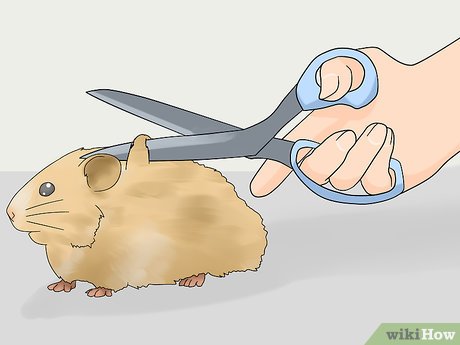
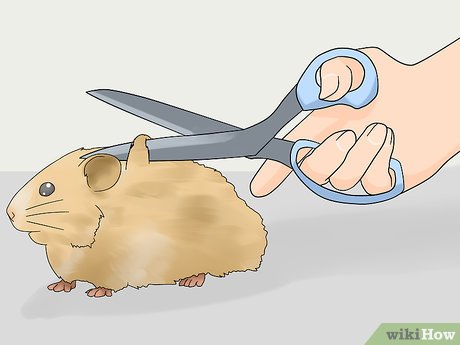
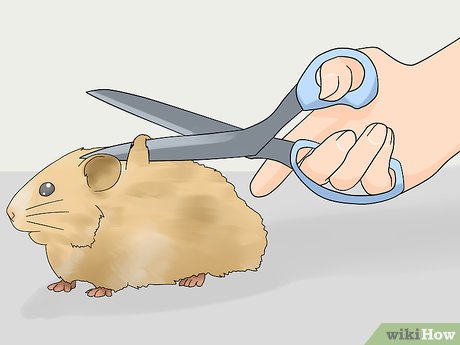
Trimming is often necessary for long-haired hamsters, particularly around the rear end to prevent fecal matter from sticking to the fur, and around the feet to prevent overgrown nails from getting tangled. It’s a task that requires patience and a steady hand. Never attempt to give your hamster a full-blown haircut; focus only on trimming areas that are causing practical issues. The goal isn’t aesthetics, it’s hygiene and comfort.
Always use blunt-nosed scissors specifically designed for small animals. Human scissors are too sharp and pose a significant risk of injury. Carefully lift the fur and gently trim, avoiding cutting too close to the skin. It’s better to trim a little at a time than to risk cutting too much. If you’re unsure about the process or uncomfortable with using scissors, don’t hesitate to ask your veterinarian for help. They can demonstrate the proper technique and ensure your hamster’s safety.
A common area for trimming is the fur around the anus, where waste can easily become lodged. Gently separate the fur and carefully trim away any excess, being extremely cautious. Overgrown nails can also become tangled in long fur, so regular nail trims are essential. If you find yourself struggling or feeling anxious, it’s always best to seek professional assistance. Remember, a vet visit is far preferable to an accidental injury.
It's important to note that attempting elaborate haircuts or styles seen online is a bad idea. These can cause stress, injury, and even skin irritation. Stick to trimming only what is necessary for hygiene and comfort, and always prioritize your hamster’s well-being. A little bit of fur trimmed for practical reasons is much better than a fancy style that compromises their health.
Bath Time? The Controversy and Alternatives
The topic of bathing hamsters is a surprisingly controversial one. Generally, full water baths are not recommended. Hamsters are naturally clean animals and meticulously groom themselves. Submerging them in water is incredibly stressful, carries a risk of hypothermia, and strips their coat of essential natural oils. These oils help keep their skin healthy and their fur in good condition.
If your hamster gets something sticky or dirty on its fur, focus on spot cleaning with a damp (not wet!) cloth. Gently dab the affected area, avoiding getting water near the eyes, ears, or nose. Allow the fur to air dry completely before returning your hamster to its cage. A better alternative to water baths is providing a sand bath.
Chinchilla sand (not dust!) allows hamsters to naturally clean their fur. They roll around in the sand, which absorbs oils and dirt, leaving their coat clean and fresh. This mimics their natural behavior and is a much less stressful option than a water bath. Ensure the sand is specifically designed for chinchillas or hamsters, as other types of sand can be abrasive and harmful.
Recognizing Coat Issues: Beyond Normal Long Fur
It’s crucial to differentiate between naturally long fur and signs of underlying health problems. Excessive shedding, patchy fur, a dull coat, or persistent scratching can all indicate an issue that requires veterinary attention. These symptoms could be caused by mites, fungal infections, allergies, or poor nutrition. Don’t assume it’s simply related to the long fur.
Mites are a common cause of coat problems in hamsters, leading to intense itching and hair loss. Fungal infections can also cause patchy fur and scaling. Allergies, often to bedding or food, can manifest as skin irritation and coat issues. A poor diet lacking essential fatty acids can result in a dry, brittle coat. It’s important to provide a high-quality hamster food supplemented with occasional healthy treats.
As hamsters age, their coat condition can also change. Senior hamsters may experience thinning fur or a duller coat. This is a natural part of the aging process, but it’s still important to monitor for any other signs of illness. Regular vet checkups are essential for maintaining the health and well-being of your hamster, especially as they get older. Hamster Now also has resources dedicated to senior hamster care.
Grooming Supplies: A Hamster Owner's Toolkit
Having the right tools on hand will make grooming your long-haired hamster much easier and more effective. Here’s a list of essential supplies: a soft-bristled brush (various types can be useful – a baby toothbrush, a small slicker brush, a hamster-specific brush), blunt-nosed scissors designed for small animals, chinchilla sand for sand baths, small animal shampoo (for emergencies only, and used sparingly), a flea comb (for checking for mites), and a small, soft cloth.
You can find these supplies at most pet stores, as well as online retailers like Amazon or Chewy. When choosing a brush, prioritize soft bristles that won’t irritate your hamster’s skin. Ensure the scissors are specifically designed for small animals to prevent accidental injuries. The chinchilla sand should be dust-free to avoid respiratory issues. Remember, less is more when it comes to shampoo – only use it if absolutely necessary and follow the instructions carefully.
TikTok Trends: Separating Fact from Fiction
While TikTok can be a fun way to share your hamster’s cuteness, it’s also a breeding ground for potentially harmful grooming trends. Be wary of videos showcasing elaborate haircuts or the use of human products on hamsters. Human shampoos, lotions, and other beauty products are not formulated for hamster skin and can cause irritation, allergic reactions, or even toxicity.
Avoid attempting complicated haircuts or styles that could injure your hamster. The goal should always be hygiene and comfort, not aesthetics. Critical thinking is key when consuming information online. Just because something looks cute in a video doesn’t mean it’s safe or appropriate for your pet. Always research any new grooming technique before trying it and consult with your veterinarian if you have any concerns.
Spotting misinformation is also important. Look for videos from reputable sources, such as veterinarians or experienced hamster breeders. Be skeptical of claims that seem too good to be true or that lack scientific backing. Responsible pet ownership means prioritizing your hamster’s health and well-being above all else, and that includes being a discerning consumer of information.
No comments yet. Be the first to share your thoughts!