

Meet the long-haired breeds
Long-haired hamsters need more than just a clean cage. While Syrian hamsters are the most famous for their floor-length coats, some Roborovski and Chinese hamsters have longer fur that requires attention to prevent painful mats.
Coat length varies. A long-haired Syrian might grow fur several inches long, while a Chinese hamster just looks a bit shaggy. You'll need to adjust your grooming based on the individual animal rather than a label.
Compared to their short-haired counterparts, long-haired hamsters are much more prone to tangles and mats, especially if their environment isn’t kept clean. Food debris, bedding, and even just general movement can contribute to knots forming in their fur. This is why a dedicated grooming routine is so important. Recognizing the difference between a naturally fluffy hamster and one that’s developing mats is the first step in providing proper care.
Daily coat checks
A quick daily check of your hamster’s coat can prevent small problems from becoming big ones. Look for a healthy sheen – the fur should appear glossy and smooth, not dull or brittle. Run your fingers gently through their fur; it should feel soft and pliable, not tangled or matted. Healthy fur also tends to lie flat against the body, not sticking out in clumps.
Signs of trouble include matting, particularly around the hindquarters, armpits, and belly. Bald spots or areas of excessive shedding are also cause for concern, as they could indicate skin irritation or an underlying health issue. Redness, scaling, or any visible sores should be checked by a veterinarian immediately. Don't dismiss small changes either.
Pay attention to your hamster’s behavior, too. Are they excessively grooming a particular spot? This could be a sign of irritation or the early stages of a mat. Are they reluctant to be handled, or do they seem uncomfortable when you touch their fur? These behavioral cues can be just as important as what you see. A change in their usual grooming habits is also a warning sign.
- Healthy fur is shiny, soft, and lies flat.
- Signs of Trouble: Matting, bald spots, excessive shedding, redness, scaling, sores
- Behavioral Cues: Excessive grooming of one spot, reluctance to be handled, changes in grooming habits
Brushes and combs
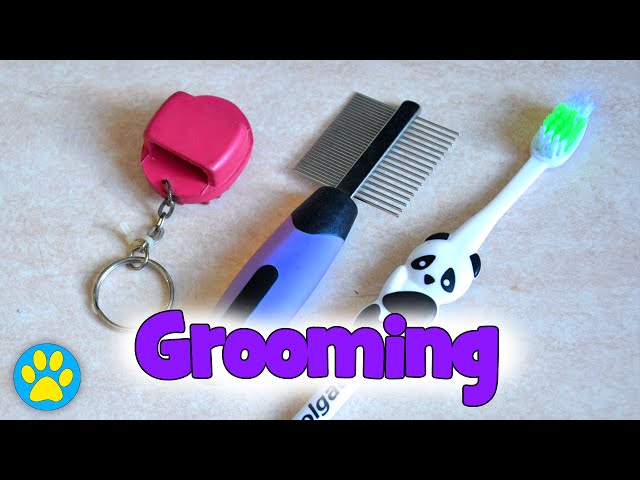
Choosing the right tools is essential for effective and gentle grooming. A slicker brush is great for removing loose fur and detangling, but use it carefully as the bristles can be sharp. A metal comb with wide-set teeth is excellent for working through mats, and a soft-bristle brush can help distribute oils and add shine. Don't underestimate the value of a good quality, small animal brush.
Start by gently brushing in the direction of the fur growth. Avoid pulling or tugging, as this can be painful and stressful for your hamster. Short, gentle strokes are best. If you encounter a tangle, don’t try to force it. Instead, hold the fur close to the skin and gently work the comb or brush through the tangle, starting at the ends and gradually working your way towards the roots.
The most important thing is to make brushing a positive experience for your hamster. Start slowly, offering treats and praise during the process. Keep sessions short and sweet, especially when you’re first introducing them to grooming. A calm and relaxed hamster will be much easier to groom than a frightened one. I've found that offering a small sunflower seed during brushing is a great incentive.
Consider the coat type. A slightly wavy, longer-haired Syrian will respond well to a slicker brush and comb. A Chinese hamster with a shorter, but still longish coat, might only need a gentle brushing with a soft-bristle brush a few times a week. Regularity is better than intensity.
How to handle tangles
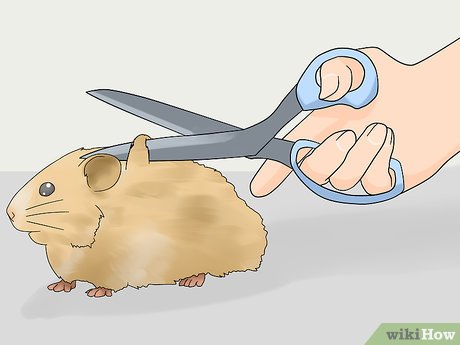
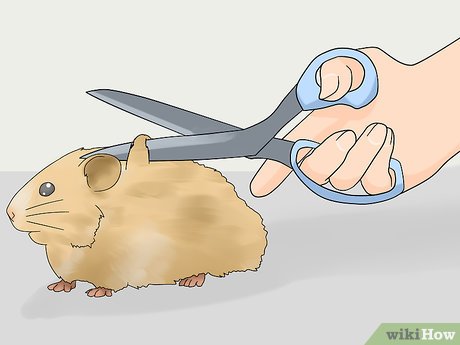
Mats can be painful and restrictive for hamsters, so it’s important to address them promptly. Never attempt to pull or cut mats with scissors, as you could easily injure your hamster. Instead, focus on gentle dematting techniques. A metal comb is your best friend here; use it to carefully tease apart the tangled fur.
A tiny bit of water or a detangling spray specifically formulated for small animals can help loosen mats, but use it sparingly. Too much moisture can chill your hamster and make the mat worse. Apply the water or spray to the mat and gently work it through with the comb. Patience is key – don’t rush the process.
If the mat is severe or close to the skin, it’s best to consult a veterinarian. They have the tools and expertise to safely remove the mat without causing pain or injury. Don't try to be a hero; a vet visit is worth the peace of mind. I’ve seen cases where owners attempted to remove mats themselves, resulting in skin irritation and infection.
- Hold the fur near the skin and use a metal comb to tease the mat apart, starting at the tips.
- Hold the fur close to the skin.
- Gently tease apart the mat with a metal comb, starting at the ends.
- If the mat is severe, consult a veterinarian.
Bath Time? A Long-Haired Hamster's Perspective
Generally, water baths are a very bad idea for hamsters, especially long-haired ones. They are incredibly stressful for these little creatures and can easily lead to chilling, which can be fatal. Hamsters are naturally clean animals and typically keep themselves well-groomed. A full immersion bath disrupts their natural oils and can cause serious health problems.
If they get something sticky on them, use a damp cloth to spot-clean the area. Keep water away from their face. For general hygiene, a shallow dish of chinchilla dust is safer and more effective than water.
How often should you clean your hamster? It really depends on the individual hamster and their environment. Typically, spot cleaning as needed and providing a dust bath once or twice a week is sufficient. A full bath should only be considered as an absolute last resort, and only under the guidance of a veterinarian. It’s far better to prevent messes than to try and clean them up.
Recommended grooming tools
Equipping yourself with the right tools makes all the difference. Here are a few top picks for 2026, keeping in mind price and effectiveness. The Kaytee Small Animal Grooming Brush ($8.99 on Amazon) is a solid all-around choice, offering both slicker bristles and a comb. It's gentle enough for daily use and effectively removes loose fur.
For tackling tougher mats, the Ware Pet Group Small Animal Comb ($6.49 on Chewy) is a lifesaver. Its metal teeth are sturdy but rounded, minimizing the risk of scratching. The Pet Republique Detangling Spray for Small Animals ($12.99 on Amazon) is a good option for loosening tangles, but use it sparingly. It's tear-free and safe for hamsters.
If you need a good nail trimmer, the JW Pet Company Small Animal Nail Clippers ($5.99 on Petco) are reliable and easy to use. Always be careful when trimming nails, and only trim the very tip to avoid cutting the quick. The Oxbow Essentials Chinchilla Dust ($14.99 on Amazon) is a high-quality dust bath option that will keep your hamster’s coat clean and healthy.
For a more luxurious experience (and a higher price point), the Kerbl Small Animal Grooming Set ($24.99 on Amazon) includes a brush, comb, and nail clippers, all in a convenient carrying case. The Paws & Pals Small Animal Brush ($7.99 on Amazon) is another affordable and effective option for daily brushing. And finally, the Living World Sally Sunflower Seed Treats ($4.99 on PetSmart) are a great reward for good behavior during grooming sessions.
Featured Products

Includes cleaning brush, bath brush, shampoo brush, nail clippers, and flea comb · Designed for small animals · Pink color
This versatile kit provides a range of tools to address basic grooming needs, from removing loose fur to managing nails.

5-pack of combs · Double-sided with fine teeth · Suitable for flea removal and dandruff management
Fine-tooth combs are crucial for detecting and removing small parasites like fleas and their eggs, as well as addressing flaky skin.

Detangling and shine support · Lightweight, leave-in formula · Helps smooth coats without buildup
Detangling sprays are essential for long-haired pets to prevent mats and knots, making brushing easier and more comfortable.

Durable stainless steel blades · Rounded tips for safety · Suitable for body and facial trimming
Safety scissors with rounded tips are vital for precise trimming around sensitive areas like the face and paws, minimizing the risk of injury.

Small size for maneuverability · Fine, angled bristles · Removes loose hair and undercoat
Slicker brushes are excellent for gently removing loose fur and preventing mats in long-haired pets, promoting a healthy and tidy coat.
As an Amazon Associate I earn from qualifying purchases. Prices may vary.
When to Call the Vet
Don’t hesitate to consult a veterinarian if you notice any concerning changes in your hamster’s coat or skin. Severe matting that you can’t safely remove, skin infections, signs of allergies (itching, redness, swelling), and any sudden changes in coat condition warrant a vet visit. It’s always better to err on the side of caution when it comes to your hamster’s health.
- Severe matting
- Skin infections
- Signs of allergies
- Sudden changes in coat condition
No comments yet. Be the first to share your thoughts!