

The Rise of the Smart Cage
Hamster care traditionally relied on observation and understanding basic needs. Now, 'smart' hamster cages offer unprecedented insight into our pets' lives. These aren't just upgraded plastic bins; they signal a move towards data-driven pet ownership, reflecting how we increasingly view pets as family.
Viewing pets as family drives this trend. Owners invest more in their animals' well-being and seek technology that provides peace of mind. This mirrors trends like GPS trackers for dogs and automated feeders for cats, now extending to intelligent hamster habitats. Demand for these cages stems from a desire to understand behavior, ensure comfort, and detect health issues early.
Traditional hamster cages offer limited insight. We can see an empty water bottle or low food bowl, but we don't know how much a hamster eats, its daily activity levels, or if subtle behavioral changes signal a problem. Smart cages bridge this gap by providing continuous data on a hamster’s daily life.
This technology is in its early stages. The market is developing, and we are still learning how to best interpret the data from these cages. Options in late 2026 remain limited compared to other smart pet devices, but the potential is clear.

What Do Smart Cages Actually Monitor?
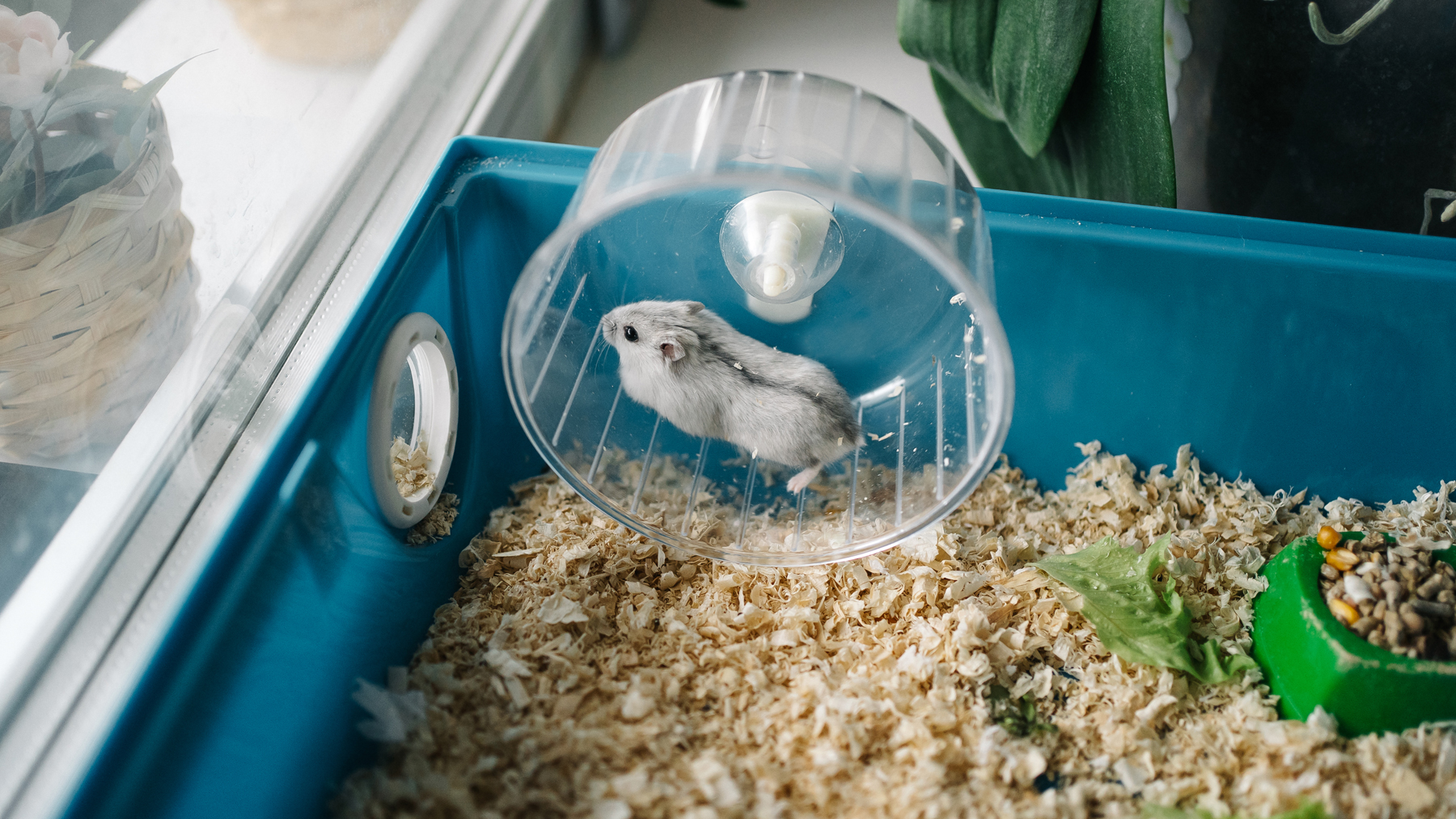
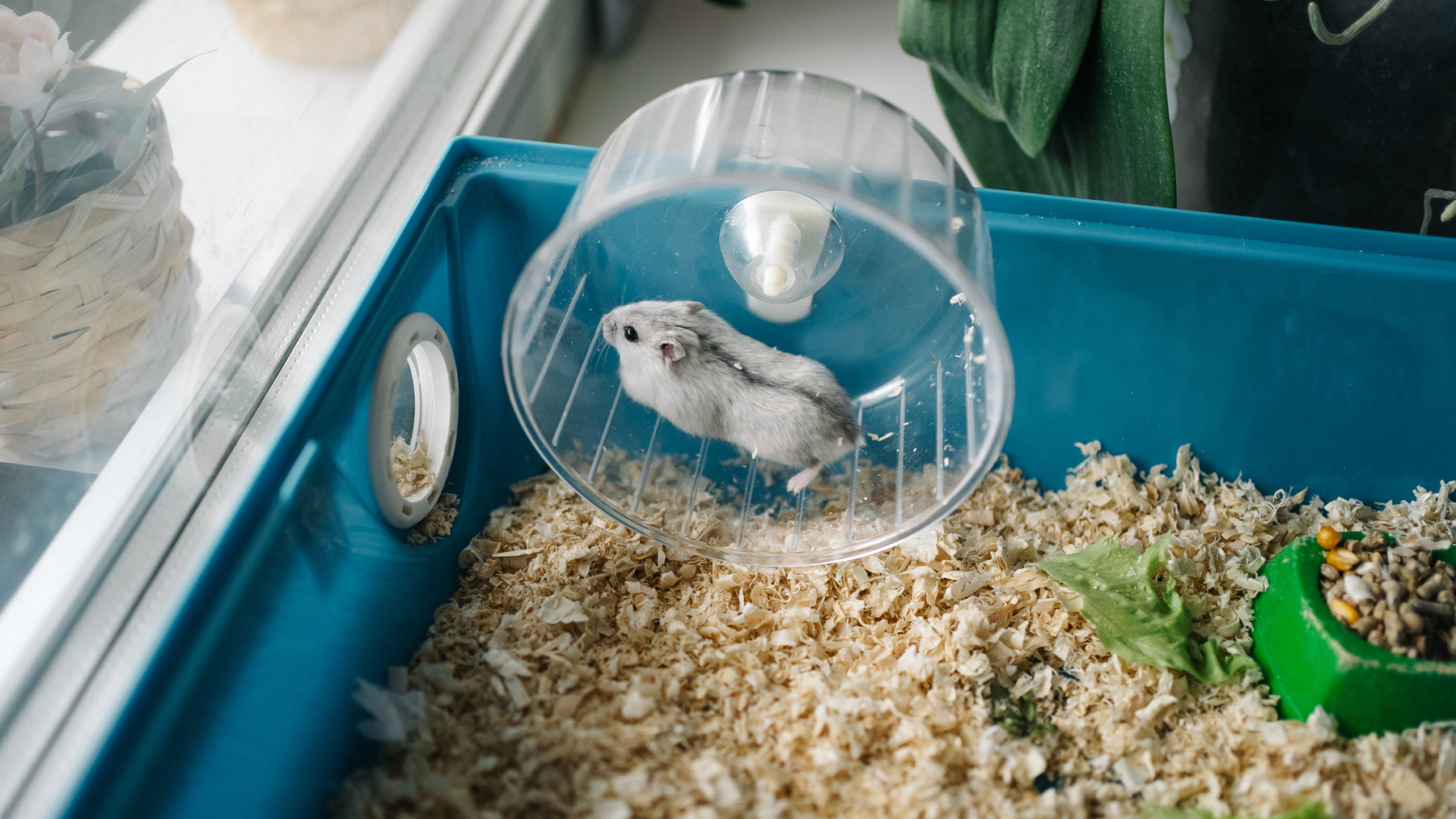
Smart hamster cages use sensors to track behavior and environment. These sensors collect data on activity levels, mainly through wheel running and general movement within the cage. This data helps owners understand their hamster’s energy expenditure and spot sudden decreases in activity that might signal illness.
Sleep patterns are monitored using accelerometers to detect rest and activity, offering insight into sleep duration. Changes in sleep can indicate stress or health problems. Temperature and humidity sensors ensure the cage environment stays within a comfortable range.
Smart cages monitor resource consumption, tracking food and water use to alert owners to decreased appetite or dehydration. Some cages include waste level sensors for assessing digestive health. Monitoring waste could help identify digestive issues early.
It’s vital to remember that these sensors aren’t medical diagnostic tools. They provide data points, not diagnoses. A decrease in wheel running doesn’t automatically mean a hamster is sick; it could simply be having a lazy day. The value lies in identifying trends and anomalies that warrant further investigation.
- Activity Levels: Wheel running, overall movement.
- Sleep Patterns: Duration and quality of rest.
- Environmental Factors: Temperature and humidity.
- Resource Consumption: Food and water intake.
- Waste Levels: Monitoring digestive health.
Health Indicators & Potential Concerns
- Wheel Running Activity - A decrease in typical wheel running can indicate lethargy, pain (potentially from arthritis or injury), or the onset of illness. Conversely, a sudden *increase* could signal stress or anxiety.
- Water Consumption - Increased water intake may be a sign of kidney problems, diabetes, or simply a warmer environment. Reduced intake could indicate dental issues preventing drinking or general illness.
- Food Consumption - A significant drop in food intake is often the first sign of illness in hamsters. Increased consumption, while less common, could be linked to stress or metabolic changes.
- Sleep Patterns - Changes in sleeping habits – sleeping more or less than usual, or changes in *where* the hamster sleeps – can be early indicators of discomfort or illness. Smart cages can track periods of activity and rest.
- Movement & Exploration - Reduced exploration of the cage, reluctance to climb, or difficulty navigating familiar spaces may suggest pain, weakness, or neurological issues. Sensors can detect overall activity levels.
- Bathroom Habits - Changes in the frequency, consistency, or location of urination and defecation can signal digestive problems, stress, or urinary tract infections. Some smart cages incorporate waste analysis features.
- Weight Fluctuations - Consistent monitoring of weight is crucial. Unexplained weight loss is a major red flag, while sudden weight gain could indicate fluid retention or other health concerns. Smart cages with integrated scales can track this automatically.
Current Smart Cage Options: A Roundup
As of late 2026, the smart hamster cage market is still relatively small, but a few key players are emerging. The "HamsterHub" from PetTech Innovations is one of the more established options, priced around $250. It features a spacious enclosure with integrated sensors for activity, temperature, and humidity, and connects to a mobile app via Wi-Fi. Users can view real-time data and receive alerts for unusual activity.
Another contender is the "CozyNest AI’ from SmartPet Solutions, currently selling for approximately $300. This cage focuses more on data analysis, utilizing basic AI to identify patterns in a hamster"s behavior. It offers a more detailed breakdown of activity levels, including separate measurements for wheel running and exploration. It also supports both iOS and Android devices.
The "EcoHabitat’ by GreenPaw Tech is a more budget-friendly option at $180, but it sacrifices some of the advanced features. It primarily focuses on monitoring temperature, humidity, and food/water levels, and connects to a smartphone via Bluetooth. It doesn"t offer the same level of data analysis as the HamsterHub or CozyNest AI, but it's a good entry point for owners curious about smart cage technology.
Connectivity is a key consideration. All three cages offer mobile app compatibility, but the quality of the app and the ease of use vary. Data storage is generally cloud-based, allowing users to access their hamster’s data from anywhere. However, it's important to review the privacy policies of each company to understand how your data is being used and protected. The HamsterHub allows for local data storage as well, which is a nice option for privacy-conscious owners.
Featured Products

2-layer acrylic design · Full transparent viewing · Includes all accessories
This cage provides ample space and clear visibility for monitoring your pet's environment and behavior.

Durable wire top for ventilation · Deep plastic base for bedding · Includes food dish, water bottle, and exercise wheel
This starter kit offers a secure and well-ventilated environment with essential accessories for a new pet, providing a good foundation for observation.

Large 774 sq inch living space · Durable metal construction · Stackable design
This expansive and durable metal cage provides a large, accessible space for your pet, facilitating easy monitoring and maintenance.

2-tier design · Portable for travel · Includes exercise wheel, water bottle, and food dish
This compact and portable cage includes essential accessories, making it easy to set up and monitor your pet on the go or in a smaller space.
As an Amazon Associate I earn from qualifying purchases. Prices may vary.
AI and Predictive Health: Beyond Basic Monitoring
The real potential of smart hamster cages lies in their ability to leverage artificial intelligence to provide more than just raw data. Companies are beginning to incorporate AI algorithms to detect anomalies in a hamster’s behavior, such as a sudden decrease in wheel running or a change in sleeping patterns. These anomalies can then trigger alerts, prompting owners to investigate further.
Predictive health alerts are an even more ambitious goal. By analyzing historical data, AI can potentially identify patterns that suggest a hamster is at risk of developing a health problem before symptoms become obvious. For example, a gradual decrease in food consumption combined with a decrease in activity could indicate the early stages of a dental issue. It's a fascinating area, but still very much in development.
Personalized recommendations for care are another area where AI can add value. Based on a hamster’s activity levels and eating habits, the cage could suggest adjusting food portions or enriching the environment with new toys and activities. The CozyNest AI currently offers a basic version of this feature, providing recommendations based on the hamster's overall activity score.
However, it’s crucial to be realistic about the current capabilities of this AI. It’s not going to diagnose illnesses or replace the expertise of a veterinarian. It's a tool to help owners be more proactive in their hamster’s care, but it should always be used in conjunction with regular vet checkups. The AI is really good at spotting changes, but interpreting those changes requires a human, preferably a vet.
Data Privacy and Security Concerns
Collecting data about a pet’s behavior raises legitimate privacy concerns. Smart hamster cages collect a wealth of information about a hamster’s daily life, and that data is typically stored in the cloud. It’s essential to understand how that data is being used and protected. Companies should employ robust data encryption methods to prevent unauthorized access.
Data storage practices are also crucial. Does the company retain data indefinitely, or is it automatically deleted after a certain period? Do they share data with third parties, such as advertisers or researchers? These are important questions to ask before purchasing a smart cage. I'm personally wary of any company that isn't transparent about its data policies.
User control over data sharing is another key consideration. Owners should have the ability to access, modify, and delete their hamster’s data. They should also be able to opt out of data collection altogether, if they choose. The HamsterHub offers a surprisingly granular level of control over data sharing, allowing users to choose which data points are collected and how they are used.
The potential for hacking or data breaches is a real risk. If a smart cage is connected to the internet, it’s vulnerable to cyberattacks. Companies need to implement strong security measures to protect against these threats. It’s a sobering thought, but it’s a risk that owners need to be aware of.
Cost and Long-Term Value
Smart hamster cages are significantly more expensive than traditional cages. Prices range from around $180 for the EcoHabitat to $300 for the CozyNest AI, compared to $50-$150 for a good quality traditional cage. This initial investment is a major barrier for many owners. You really have to weigh if the benefits outweigh the cost.
Beyond the initial purchase price, there may be ongoing costs to consider. Some companies offer subscription-based services for access to advanced data analysis or personalized recommendations. These subscriptions can add another $5-$10 per month to the overall cost. Maintenance and repair expenses are also a factor. Smart cages have more complex components than traditional cages, which means they may be more prone to breakdowns.
Whether the benefits of a smart cage justify the investment depends on individual priorities. If you’re a data-driven pet owner who wants to be as proactive as possible in your hamster’s care, then a smart cage may be a worthwhile investment. If you’re simply looking for a safe and comfortable habitat for your hamster, then a traditional cage may be sufficient.
There’s also the potential for cost savings through preventative care. By identifying potential health problems early, a smart cage could help you avoid costly vet bills down the road. That's a difficult benefit to quantify, but it's something to keep in mind. It's also important to remember that peace of mind has value, and a smart cage can provide that for some owners.
Smart vs. Traditional Hamster Cages: A Comparison
| Feature | Traditional Cage | Smart Cage (2026) | Notes |
|---|---|---|---|
| Initial Cost | Low to Medium | Medium to High | Smart cages incorporate sensors and technology, increasing the upfront investment. |
| Ongoing Cost | Low | Medium | Potential costs for data storage, software updates, or replacement sensors with smart cages. |
| Health Monitoring | Manual Observation | Automated (Activity, Sleep Patterns, Wheel Usage) | Smart cages utilize sensors to track behavioral patterns that can indicate health changes. |
| Convenience (Cleaning) | Medium | Medium | Both cage types require regular cleaning; smart features don't typically automate this process. |
| Convenience (Monitoring) | Requires Dedicated Time | Remote Monitoring via App | Smart cages allow owners to check on their hamster's well-being remotely through smartphone applications. |
| Peace of Mind | Dependent on Owner Vigilance | Increased, due to proactive alerts | Smart cage features can provide alerts for unusual activity or inactivity, offering increased peace of mind. |
| Enrichment Features | Dependent on Owner Additions | Potential for Automated Enrichment | Some smart cages may integrate with automated enrichment systems (e.g., timed treat dispensers, rotating toys). |
| Data Insights | Limited to Owner Observation | Potential for Behavioral Data Analysis | Smart cages can collect data over time, potentially revealing patterns in hamster behavior. |
Illustrative comparison based on the article research brief. Verify current pricing, limits, and product details in the official docs before relying on it.
The Future of Hamster Tech
The future of hamster care technology is exciting. We can expect to see even more sophisticated sensors and AI algorithms being integrated into smart cages. Integration with other smart home devices is also likely. Imagine a cage that automatically adjusts the temperature and humidity based on the weather, or that communicates with a smart feeder to ensure your hamster always has fresh food.
More sophisticated AI algorithms could provide even more accurate and personalized insights into a hamster’s health and well-being. We might see cages that can detect subtle changes in a hamster’s gait or posture, which could indicate the early stages of arthritis. The possibilities are endless.
New types of sensors could also emerge. Perhaps we’ll see cages with cameras that can monitor a hamster’s behavior in real-time, or sensors that can analyze a hamster’s urine to detect signs of illness. I’m curious to see if we’ll eventually have cages that can automatically dispense food and water or even clean themselves.
Ultimately, the goal is to create a truly intelligent habitat that can provide the best possible care for our tiny companions. It’s a journey that’s just beginning, but the potential to improve the lives of hamsters through technology is immense. It's a really interesting space to watch, and I think we'll see significant advancements in the next few years.
Which smart hamster cage feature would matter most to you as a pet owner?
As AI-powered habitats become more advanced, we want to know which innovation you find most valuable for keeping your hamster happy and healthy. Vote below!


No comments yet. Be the first to share your thoughts!