

Start with the right cage size
The biggest mistake new hamster owners make is buying the smallest starter cage they can find at the pet store. It is tempting to pick a compact habitat, but hamsters are not static pets. They are high-energy runners that need room to roam. A cramped box leads to chronic stress, repetitive pacing, and health issues that can shorten their lives. The Hamster Now guide prioritizes welfare, starting with the most critical factor: floor space.
Professional organizations and veterinary experts agree on a baseline minimum. Hamsters need at least 450 square inches of continuous floor space. This is not a suggestion; it is a requirement for their physical and mental health. Tiny cages, lack of bedding, and boredom are direct causes of stress behaviors. If the cage is too small, no amount of out-of-cage time will compensate for the confinement.
When selecting a home, look for width and length, not height. Hamsters are ground-dwellers, not climbers. A tall cage with narrow walls wastes space. A low, wide enclosure allows for proper bedding depth and wheel placement. Solid-bottom cages or large aquariums with secure mesh tops are ideal because they prevent bedding escape and provide a stable environment. Avoid habitats with wire floors, which can cause foot injuries.
Choosing the right size now prevents the need for a difficult upgrade later. A spacious cage reduces the likelihood of behavioral problems and makes daily care easier. Invest in a large base first; you can always add enrichment toys later, but you cannot add floor space to a small box.
Compare top-rated hamster habitats
Choosing the right cage is the single most important decision for your hamster's health. A confined space can lead to stress, injury, or respiratory issues, while a well-ventilated, escape-proof habitat encourages natural burrowing and running behaviors. At Hamster Now, we evaluate habitats based on three non-negotiables: ventilation, security, and ease of cleaning.
Glass tanks offer the best ventilation and visibility but can be heavy and expensive. Plastic tubs are budget-friendly and retain heat well but often lack adequate airflow unless modified. Wire cages provide excellent airflow but pose a significant risk of escape or injury if the bar spacing is too wide. Use the comparison below to weigh the pros and cons of each style.
| Cage Type | Ventilation | Escape-Proof | Cleaning Ease |
|---|---|---|---|
| Glass Tank | High (with mesh lid) | High | Medium |
| Plastic Tub | Low (needs modification) | High | High |
| Wire Cage | Very High | Low (if bars > 0.5in) | Medium |
For most hamster owners, a 10-gallon glass tank or a large, modified plastic storage bin provides the safest balance of security and comfort. The Animal Humane Society recommends avoiding solid-bottom wire cages entirely, as they trap ammonia from urine, which can damage a hamster's sensitive respiratory system. If you choose a wire cage, ensure the bar spacing is no wider than 0.5 inches to prevent escape or limb entrapment.
When shopping for a habitat at Hamster Now, prioritize floor space over height. Hamsters are ground-dwelling runners, not climbers. A minimum of 450 square inches of uninterrupted floor space is the baseline for a single Syrian hamster, while dwarf hamsters can share larger enclosures. Always pair your chosen cage with a deep layer of bedding to allow for natural burrowing behavior.
Select safe bedding and enrichment
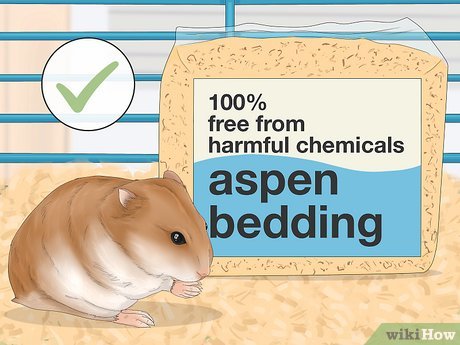
The "Hamster Now" trend has boosted hamster popularity, but many new owners underestimate the habitat requirements. A hamster’s home needs deep, absorbent bedding for burrowing, a solid-surface wheel for exercise, and sturdy hides to reduce stress. Small cages with wire floors or loose substrate like pine shavings can cause respiratory issues and foot injuries.
-
Deep bedding (5+ inches)
-
Solid-surface exercise wheel
-
Sturdy hideout
-
Water bottle
-
Chew toys


As an Amazon Associate, we may earn from qualifying purchases.
Focus on concrete items rather than generic categories. The Kaytee Clean & Cozy Bedding provides the depth hamsters need for natural burrowing behaviors without the dust of cheaper alternatives. For exercise, the Wodent Wheel offers a silent, solid surface that protects their feet, unlike wire wheels which can cause injury. A spacious cage like the Ferret Nation (with appropriate bar spacing) gives them room to explore and hide, reducing the stress that leads to health issues like wet tail.
Understanding dwarf hamster lifespan
The average dwarf hamster lifespan is typically two to three years. While this timeline may feel brief compared to other pets, it represents the natural biological window for these small rodents. Several factors influence whether a hamster reaches the upper end of that range or declines sooner.
Genetics play a foundational role. Hamsters sourced from reputable breeders often have stronger immune systems and fewer congenital issues than those from large-scale commercial farms. Selecting a healthy pet initially sets the baseline for longevity.
Environment is the second major pillar. Cramped or unsanitary living conditions accelerate stress and disease. A spacious cage with proper bedding, a quiet location away from drafts and loud noises, and a consistent diet of high-quality seeds and fresh vegetables significantly reduce health risks. Regular veterinary check-ups can catch early signs of illness, such as wet tail or dental problems, before they become fatal.
By prioritizing these care standards, owners can help their dwarf hamsters thrive for the full duration of their short, vibrant lives. Remember that each hamster is an individual; some may live slightly longer or shorter than the average, but good care makes a measurable difference.
Feed a balanced hamster diet
A healthy hamster diet mimics their natural foraging habits: a base of commercial pellets or seed mix, supplemented by fresh produce and occasional treats. Commercial mixes provide the essential nutrition, while fresh foods add variety and hydration. Treats should be given sparingly to prevent obesity, especially in dwarf hamsters prone to diabetes.
The Foundation: Commercial Pellets and Mixes
Base your hamster's daily intake on a high-quality commercial pellet or seed mix. Pellets are often preferred because they prevent selective feeding, ensuring your hamster gets a balanced nutrient profile rather than just picking out the tastiest seeds. Look for mixes with at least 15-20% protein for Syrians and 18-20% for dwarfs, with fat content kept below 5%. Avoid mixes with high sugar content or artificial colors.
Fresh Foods and Vegetables
Fresh vegetables and fruits should make up a small portion of the diet, introduced gradually to avoid digestive upset. Safe options include broccoli, spinach, carrots, and small amounts of apple (without seeds). Always wash produce thoroughly to remove pesticides. Introduce one new food at a time to monitor for any adverse reactions. Fresh foods also provide hydration, which is particularly important for hamsters that may not drink enough water from their bottle.
Treats and Unsafe Foods
Treats like mealworms, small pieces of cheese, or cooked egg white can be given 1-2 times a week as a reward. However, many human foods are toxic to hamsters. Avoid onions, garlic, raw potatoes, citrus fruits, and chocolate. Always research any new food before offering it to your hamster. When in doubt, stick to the safe list.

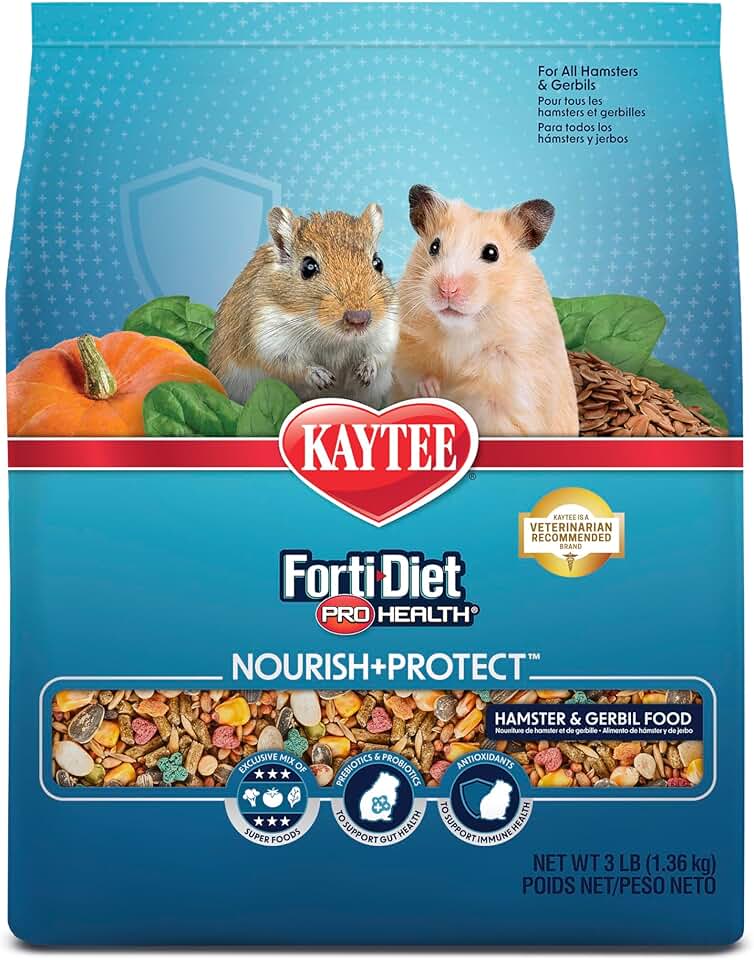

As an Amazon Associate, we may earn from qualifying purchases.
Spot early signs of illness
Hamster Now works best as a clear sequence: define the constraint, compare the realistic options, test the tradeoff, and choose the path with the fewest hidden costs. That order keeps the advice usable instead of decorative. After each step, pause long enough to check whether the recommendation still fits the reader's actual situation. If it depends on perfect timing, unusual access, or a best-case budget, include a simpler fallback.
The simplest way to use this section is to write down the real constraint first, compare each option against it, and choose the path that still works outside ideal conditions.
No comments yet. Be the first to share your thoughts!