

Beyond seeds: New protein sources
For years, the foundation of most hamster diets has been a mix of seeds, grains, and commercially produced pellets. But a shift is happening. Owners are increasingly aware of the environmental impact of these traditional ingredients, and they’re looking for more sustainable options. The production of soy and corn, staples in many hamster foods, requires significant land and water resources, and often involves intensive farming practices.
This isn’t simply a fleeting trend; it’s a response to a growing understanding of pet food’s footprint. We’re seeing a broader movement toward sustainable pet care, driven by owners who want to minimize their animal’s impact on the planet. This means looking beyond the familiar and exploring alternative protein sources and more responsible production methods.
The good news is that innovation is happening. Researchers and pet food manufacturers are actively investigating ingredients that offer both nutritional value for hamsters and a reduced environmental impact. It’s about finding a balance – keeping our furry friends healthy while protecting the planet for future generations. This move toward sustainability is driven by a desire to do better, and it’s reshaping the hamster food industry as we know it.
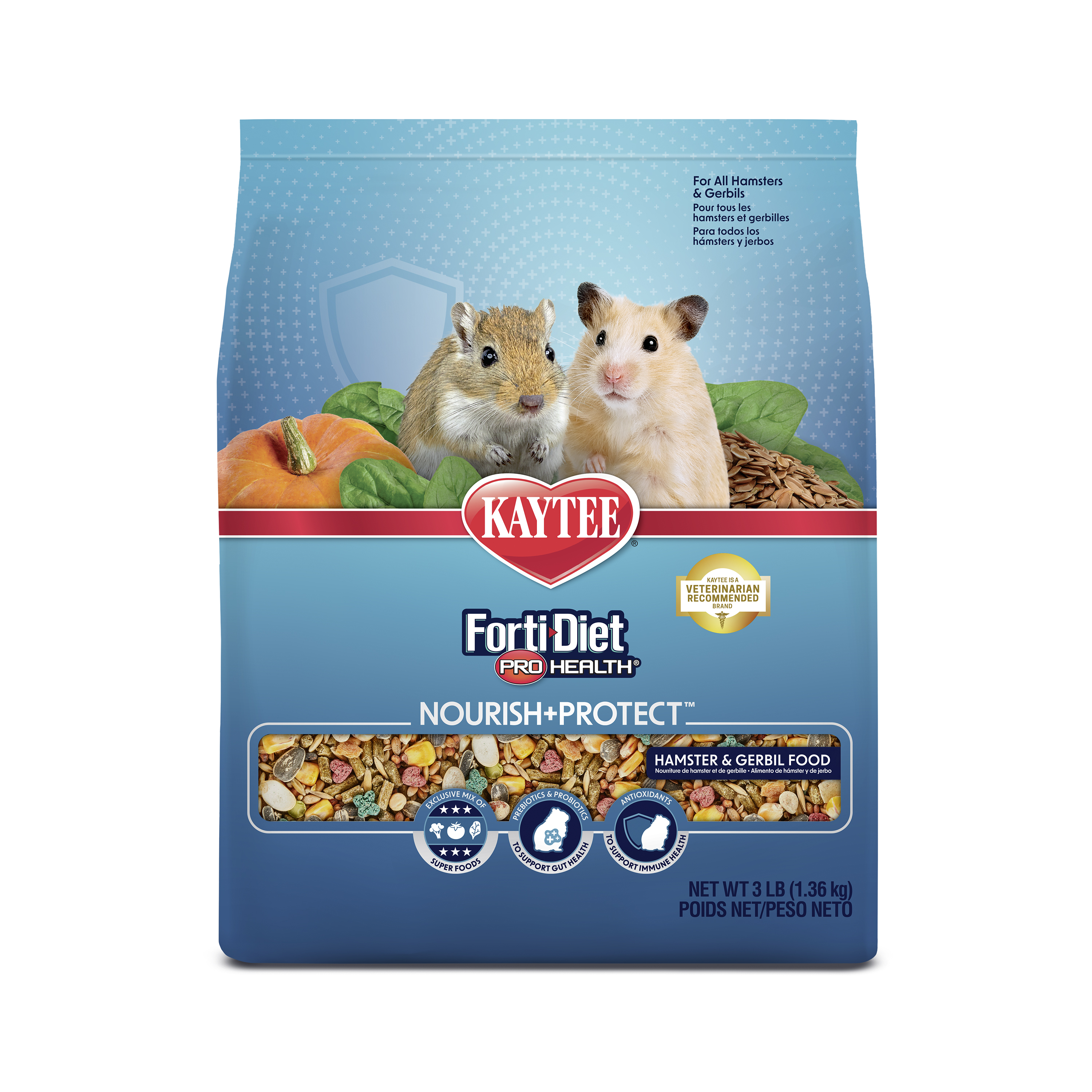
Insect protein for hamsters
Insect protein is quickly emerging as a frontrunner in the sustainable hamster food movement. Black soldier fly larvae and crickets are particularly promising, offering a complete protein source with a significantly lower environmental impact than traditional livestock farming. They require far less land, water, and feed to produce the same amount of protein.
Nutritionally, insects are a powerhouse. They’re high in protein, essential amino acids, and healthy fats, all vital for a hamster’s well-being. They also contain chitin, a fiber-like substance that can act as a prebiotic, promoting a healthy gut microbiome. The NCBI’s research on hamster nutrient requirements (ncbi.nlm.nih.gov) confirms the importance of high-quality protein in their diet, and insects certainly deliver.
One common concern is palatability – will hamsters actually eat insects? Fortunately, most will, especially when the insect protein is incorporated into a palatable food matrix. Another question is safety; properly farmed insects are safe, but it’s crucial to source products from reputable suppliers who adhere to strict quality control standards. Sustainable farming practices involve carefully controlled environments to prevent contamination and ensure optimal nutrition for the insects themselves.
Here's a look at the nutritional profile of Black Soldier Fly Larvae (BSFL) compared to a typical hamster seed mix (per 100g): | Nutrient | BSFL (Dried) | Hamster Seed Mix | |-----------------|--------------|------------------| | Protein | 40-45g | 15-20g | | Fat | 30-35g | 10-15g | | Fiber | 5-10g | 5-8g |
Comparison of Insect-Based Protein Sources for Dwarf Hamsters (Projected 2026 Trends)
| Protein Source | Nutritional Value (Protein & Fat) | Sustainability Impact | Cost (Relative) | Palatability (Dwarf Hamster) |
|---|---|---|---|---|
| Black Soldier Fly Larvae (BSFL) | High Protein, Moderate Fat. Good source of lauric acid. | Very High - Efficient feed conversion, utilizes organic waste. | Low to Moderate | High |
| Crickets | High Protein, Moderate Fat. Contains chitin. | Moderate - Requires controlled environments, potential land use. | Moderate to High | Medium to High |
| Mealworms | Moderate Protein, High Fat. Good source of energy. | Moderate - Relatively efficient, but requires significant feed input. | Moderate | Medium |
| Wild-Caught Insects (Mixed) | Variable - Dependent on species. Generally good protein content. | Potentially High - If sustainably harvested, minimizes environmental impact. | Low (Harvesting Cost) | Variable - Hamsters may be neophobic |
| Cultured Black Soldier Fly Larvae (Organic) | High Protein, Moderate Fat. Organic certification adds value. | Very High - Closed-loop systems minimize waste. | High | High |
| Dehydrated Cricket Powder | High Protein, Moderate Fat. Easily added to existing diets. | Moderate - Processing requires energy input. | High | Medium |
Illustrative comparison based on the article research brief. Verify current pricing, limits, and product details in the official docs before relying on it.
Algae and microgreens
Don’t underestimate the power of small things! Algae, like spirulina and chlorella, and microgreens are nutrient-dense additions to a hamster's diet. They’re packed with vitamins, minerals, and antioxidants, supporting overall health and boosting the immune system. Spirulina, for example, is a good source of beta-carotene and vitamin B12.
These ingredients also have a relatively low environmental impact. Algae can be grown in controlled environments, requiring minimal land and water. Microgreens can be grown locally, reducing transportation costs and carbon emissions. They’re a sustainable way to supplement a hamster’s diet with essential nutrients.
I’m still searching for specific research on the impact of algae and microgreens on dwarf hamster lifespan directly, but preliminary studies on other rodents suggest potential benefits. They can be offered as a small treat a few times a week, or incorporated into a homemade hamster food mix. It’s important to introduce them gradually to avoid digestive upset.
Upcycled food waste
The concept of upcycling food waste – using ingredients that would otherwise be discarded – is gaining traction in the human food industry, and it’s starting to trickle down to pet food as well. Vegetable scraps, fruit peels, and even spent brewers’ grains can potentially be incorporated into hamster food, reducing waste and creating a more circular food system.
However, this is where caution is paramount. Not all food waste is safe for hamsters. Certain fruits and vegetables are toxic, and even safe foods can harbor pesticides or other harmful substances. Thorough washing, careful selection, and proper preparation are absolutely essential. This isn't something I'd recommend for beginner hamster owners.
Safe options, in very small quantities, might include cooked, plain pumpkin or squash, or certain leafy greens. It’s crucial to research each food item thoroughly before offering it to your hamster. This approach requires significant knowledge and dedication, and it’s best suited for experienced hamster owners who can confidently assess the safety and nutritional value of different food waste streams. Remember, a hamster's digestive system is delicate.
- Always thoroughly wash any food waste before offering it to your hamster.
- Research each food item to ensure it’s safe.
- Offer only small quantities to avoid digestive upset.
- Avoid any food that shows signs of mold or spoilage.
Sustainable packaging
Sustainable hamster food isn’t just about what’s inside the package; it’s also about the packaging itself. Traditional plastic packaging contributes to landfill waste and ocean pollution. Fortunately, there’s a growing demand for eco-friendly alternatives.
Biodegradable bags made from plant-based materials, compostable containers, and refill systems are all emerging as viable options. Refill systems, where customers purchase a larger quantity of food and then replenish smaller containers at home, can significantly reduce packaging waste. However, maintaining food freshness and preventing contamination with biodegradable materials can be a challenge.
Companies like Earth Rated (known for their biodegradable dog waste bags) are beginning to explore similar options for small pet food. The key is finding materials that are both environmentally friendly and effective at protecting the food from moisture, light, and pests. This is an area where innovation is desperately needed.
2026 predictions for hamster nutrition
Looking ahead to 2026, I anticipate continued growth in the sustainable hamster food sector. Insect farming will become more efficient and widespread, driving down costs and increasing availability. We’ll likely see more sophisticated algae production methods, yielding higher nutrient densities and lower environmental impacts.
Food waste upcycling will become more refined, with companies developing standardized processes for safely incorporating food waste into hamster food. We might even see the emergence of personalized hamster diets based on genetic testing or health data – although that’s still somewhat speculative. Imagine a food formulated specifically for your hamster’s age, breed, and activity level.
I also predict a greater emphasis on transparency and traceability in the hamster food supply chain. Owners will want to know where their hamster’s food comes from and how it’s made. This will drive demand for certifications and labeling that verify sustainable practices.
What sustainable hamster food trend are you most excited about for your furry friend?
As eco-friendly nutrition options continue to grow in the hamster care space, we want to know which sustainable food trend matters most to you. Your input helps us focus on the topics that our community cares about. Vote below!
Diet and lifespan
Ultimately, the goal of sustainable hamster food isn’t just to reduce environmental impact; it’s to improve the health and well-being of our furry friends. A well-balanced diet, rich in essential nutrients, is fundamental to a long and healthy life for dwarf hamsters. The NCBI’s research on hamster nutrient requirements highlights the importance of adequate protein, vitamins, and minerals.
By incorporating novel protein sources like insects, nutrient-dense ingredients like algae and microgreens, and carefully selected food waste (for experienced owners), we can create diets that optimize hamster nutrition. This can help address common health issues like obesity, dental problems, and digestive upset, potentially extending their lifespan.
Sustainable hamster food isn’t about sacrificing nutrition; it’s about enhancing it. It’s about providing our hamsters with the best possible diet while minimizing our impact on the planet. A thoughtfully crafted diet, combined with proper care and enrichment, is the key to a happy, healthy, and long life for your dwarf hamster. It’s a win-win for both our pets and the environment.
Remember, the average dwarf hamster lifespan is 1.5 to 3 years. Optimizing their nutrition, as discussed, can help them reach the higher end of that range, and enjoy a higher quality of life during those years.
heres gonna be a list that you can reimburse: 45€ for hamster food and bedding
— 💚 Rich-Witch Maya 💜 (@maya2dfd) April 13, 2026

No comments yet. Be the first to share your thoughts!