

Why cage size matters for dwarf hamsters
Choosing the right home for a Winter White Dwarf hamster starts with understanding their physical needs. Unlike larger Syrian hamsters, these small rodents have high energy levels but also delicate respiratory systems. A cage that is too small or poorly ventilated can quickly lead to health issues, particularly in the confined spaces where they spend most of their time.
The baseline requirement for any Winter White Dwarf habitat is ample floor space and proper airflow. Solid-bottom cages or aquariums with secure wire mesh tops are the standard recommendation. Wire-bottom cages are generally avoided because they can injure their tiny feet and do not provide the necessary surface for burrowing, which is a natural behavior. The Animal Humane Society advises keeping hamsters indoors in solid-bottom enclosures to ensure their comfort and safety.
Ventilation is just as critical as square footage. Poor airflow can trap ammonia from urine, leading to respiratory infections that are common in small breeds. Ensure your chosen cage has adequate mesh or ventilation holes that allow air to circulate without creating a direct draft. Hamsters are sensitive to temperature changes; their ideal environment stays between 65 and 75 degrees Fahrenheit. Placing the cage in a stable room temperature zone, away from windows or heaters, helps maintain this balance and prevents stress.
Best cages for active burrowers
Winter White Dwarfs are natural diggers. In the wild, they create complex underground tunnel systems to escape predators and extreme temperatures. A cage that restricts this instinct leads to stress and repetitive behaviors. The best Winter White hamster cages prioritize vertical depth for bedding over horizontal floor space.
You have two main paths: glass tanks for maximum burrowing potential or wire cages for ventilation. Both work if they meet the depth requirements. Glass enclosures like the Exo Terra or standard aquariums allow you to pile bedding 12 inches deep or more. Wire cages, such as the Ferret Nation, require careful modification with solid trays or deep plastic bins to prevent bedding from falling through the wire floor.
The key is substrate depth. A rule of thumb from veterinary care guides is that your hamster should be able to dig a hole that is at least half the height of the cage. If the bedding is too shallow, the burrow collapses, and the hamster loses its sense of security. This is why tank setups often win for burrowing enthusiasts, but well-designed wire cages with deep plastic bases are excellent for owners who prioritize airflow in warm climates.
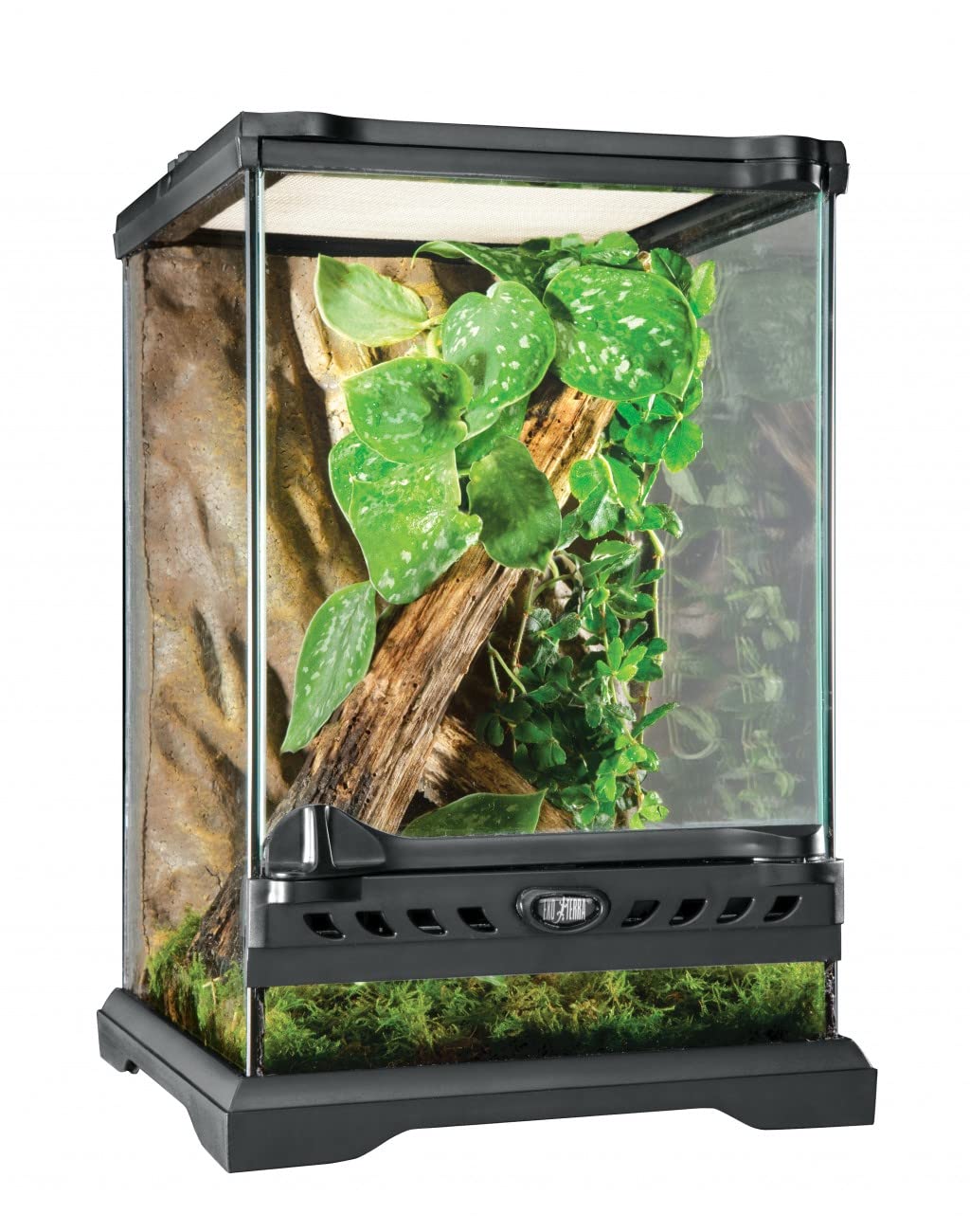

As an Amazon Associate, we may earn from qualifying purchases.
Tank vs. Wire: Choosing the Right Winter White Dwarf Cage
The debate between glass tanks and wire cages usually comes down to one factor: humidity. Winter White Dwarfs are prone to respiratory issues, making airflow critical. However, they also lose body heat faster than larger hamsters, requiring a draft-free environment.
Glass tanks retain heat and block drafts, which helps prevent colds during winter. The trade-off is ventilation. Without a proper mesh lid, humidity builds up from bedding and urine, creating a breeding ground for bacteria. Wire cages offer superior airflow but can let cold air sweep across the cage floor, chilling your dwarf hamster.
| Feature | Glass Tank (20+ Gallon) | Wire Cage (Bar Width < 0.5") | Plastic Tub Setup |
|---|---|---|---|
| Ventilation | Low (requires mesh lid) | High | Medium |
| Heat Retention | Excellent | Poor | Good |
| Cleaning Ease | Moderate (heavy) | Easy (disassemble) | Moderate |
| Escape Risk | Very Low | High if bars are wide | Low |
The Animal Humane Society recommends solid-bottom cages or aquariums with secure mesh covers to balance safety and air quality [src-serp-5]. Avoid wire cages with wide bar spacing, as dwarfs can squeeze through gaps as small as half an inch. If you choose a wire setup, ensure the floor is solid or covered with a tray to prevent foot injuries and heat loss.
For most owners, a 20-gallon glass tank or a deep plastic tub offers the best compromise. These setups maintain stable temperatures while allowing you to control ventilation with a drilled lid or mesh top. This approach minimizes the risk of respiratory infections, which are the leading cause of health issues in dwarf hamsters during colder months.
Essential food and enrichment trends
Best Hamster Cages for Winter White Dwarfs works best as a clear sequence: define the constraint, compare the realistic options, test the tradeoff, and choose the path with the fewest hidden costs. That order keeps the advice usable instead of decorative. After each step, pause long enough to check whether the recommendation still fits the reader's actual situation. If it depends on perfect timing, unusual access, or a best-case budget, include a simpler fallback.
The simplest way to use this section is to write down the real constraint first, compare each option against it, and choose the path that still works outside ideal conditions.
Setting up your new hamster habitat
A Winter White Dwarf needs more floor space than a standard small cage provides. Before introducing your hamster, build a habitat that supports natural digging and running behaviors. This setup protects their joints and keeps them calm during the first few days.
Use 6 to 8 inches of paper-based bedding. This depth allows Winter Whites to dig tunnels, which reduces stress and mimics their natural burrowing instincts. Avoid cedar or pine shavings, as the aromatic oils can damage their respiratory systems.

Select a wheel at least 8 inches in diameter to prevent back arching. A silent, solid-surface wheel is essential for indoor use and safe for small paws. Place it away from the sleeping area to minimize noise disruption.
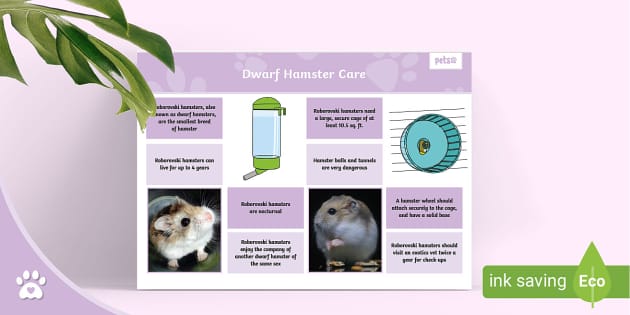
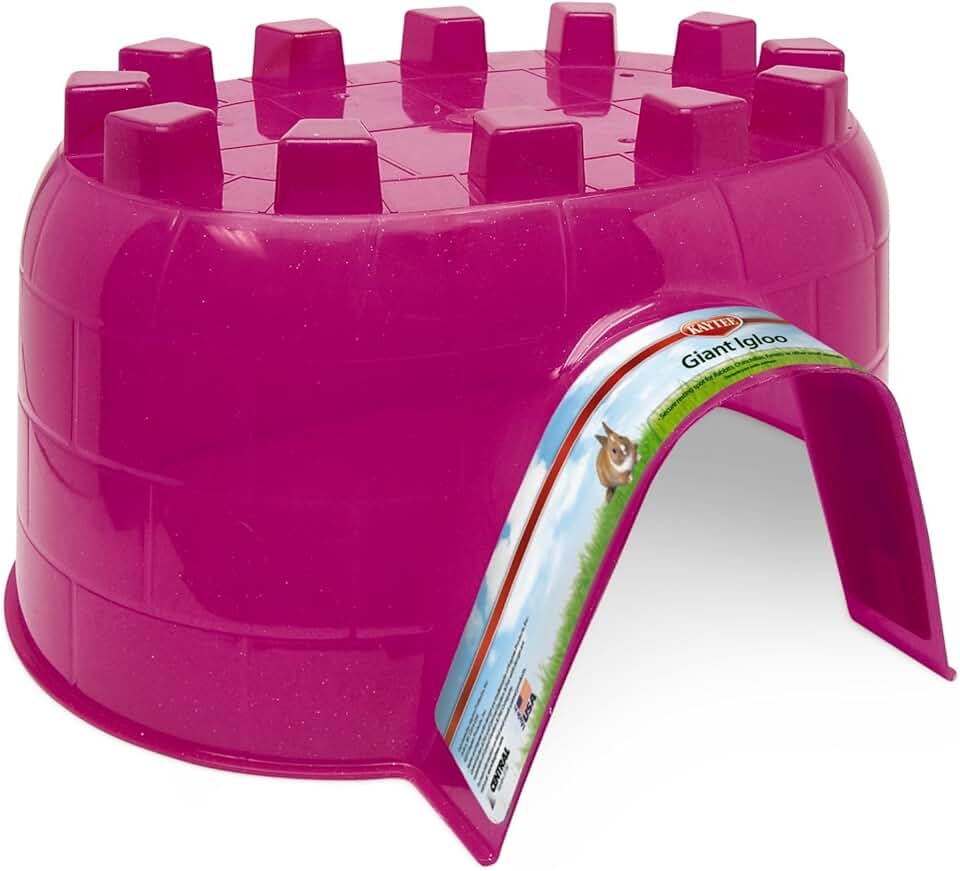
Provide at least two enclosed hides, such as wooden houses or ceramic igloos. These structures offer security and help regulate body temperature, which is critical for dwarf hamsters that are sensitive to cold drafts.
Common questions about dwarf hamster care
Prospective owners often worry about the specific needs of Winter White Dwarfs. These small rodents require precise habitat conditions to thrive, particularly regarding space and social dynamics.
What size cage does a Winter White Dwarf need?
Winter White Dwarfs need a minimum floor space of 450 square inches. While some budget cages claim to be sufficient, they often lack the ventilation and security needed for a healthy habitat. Look for cages with narrow bar spacing to prevent escapes. The Zoo Med All Glass Home is a popular choice for its secure, spacious design.
Can I keep two Winter White Dwarfs together?
While Syrian hamsters must be solitary, Winter Whites can sometimes be housed in same-sex pairs. However, this requires careful monitoring for aggression. If you notice fighting, separate them immediately. Always provide two hiding spots and duplicate food bowls to reduce resource guarding.
What bedding is best for Winter Whites?
Safe, dust-free bedding is essential for respiratory health. Avoid cedar or pine shavings, which contain harmful phenols. Paper-based bedding, such as Carefresh, is widely recommended by veterinarians for its absorbency and safety. Change the bedding weekly to maintain hygiene without stressing the animal.
No comments yet. Be the first to share your thoughts!