


Setting up the right habitat
A hamster’s home needs to be more than just a container; it is the foundation of their health and happiness. Hamsters are active burrowers that require ample space to run, dig, and explore. A cramped enclosure leads to stress, repetitive behaviors, and a shortened lifespan. When choosing a cage, prioritize floor space over height, as hamsters spend most of their time on the ground level.
Ventilation is equally critical. Wire cages allow for excellent airflow but can pose a risk if the bar spacing is too wide, allowing small hamsters to escape. Alternatively, aquariums or glass tanks provide a secure, draft-free environment, but they must be topped with a secure wire mesh lid to prevent overheating and ensure proper air circulation. Solid-bottom cages are generally preferred over wire-bottomed ones to protect your hamster’s feet from injury.
Avoid placing the cage in direct sunlight, near heating vents, or in drafty areas. Fluctuations in temperature can be fatal. A stable, indoor environment is ideal. If you experience power outages or extreme weather, monitor your hamster closely, as they can enter a dangerous torpor if they get too cold.
Best cages for dwarf and long-haired breeds
Choosing the right cage depends heavily on your hamster's specific breed needs. Dwarf hamsters, including Campbell's and Winter Whites, are highly social and energetic. They require ample floor space to run and explore, making wide, open layouts ideal. Long-haired varieties, such as the Syrian Longhair, face different challenges. Their dense coats can trap bedding material, leading to clumping and hygiene issues. For these breeds, a cage with smooth surfaces and easy-to-clean features helps prevent matting and keeps the environment sanitary.
Top-rated cage options
Selecting a cage involves balancing ventilation, security, and ease of maintenance. Below are three highly regarded options that cater to these diverse needs.
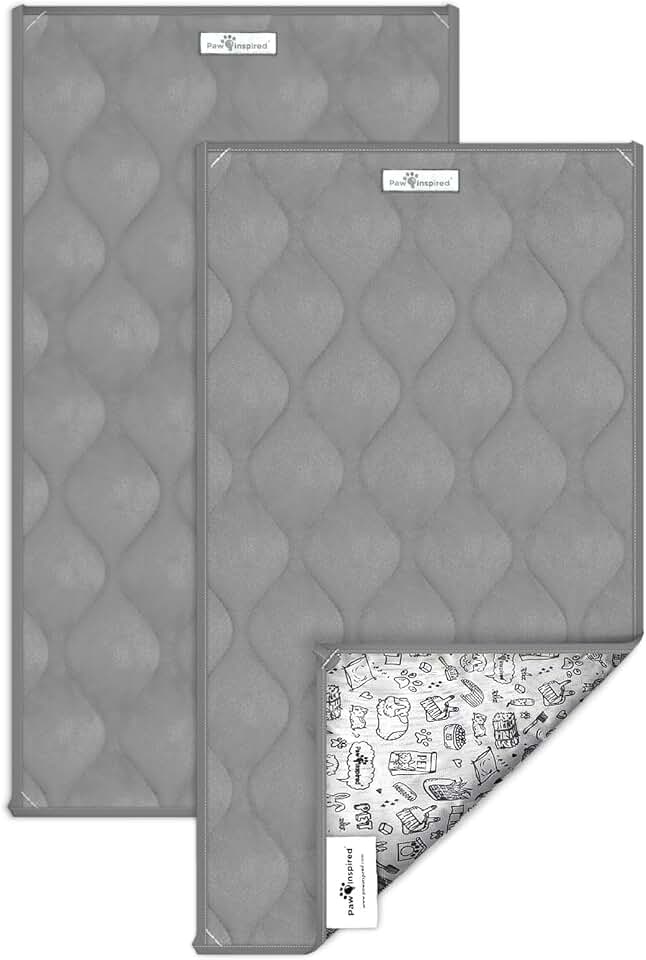
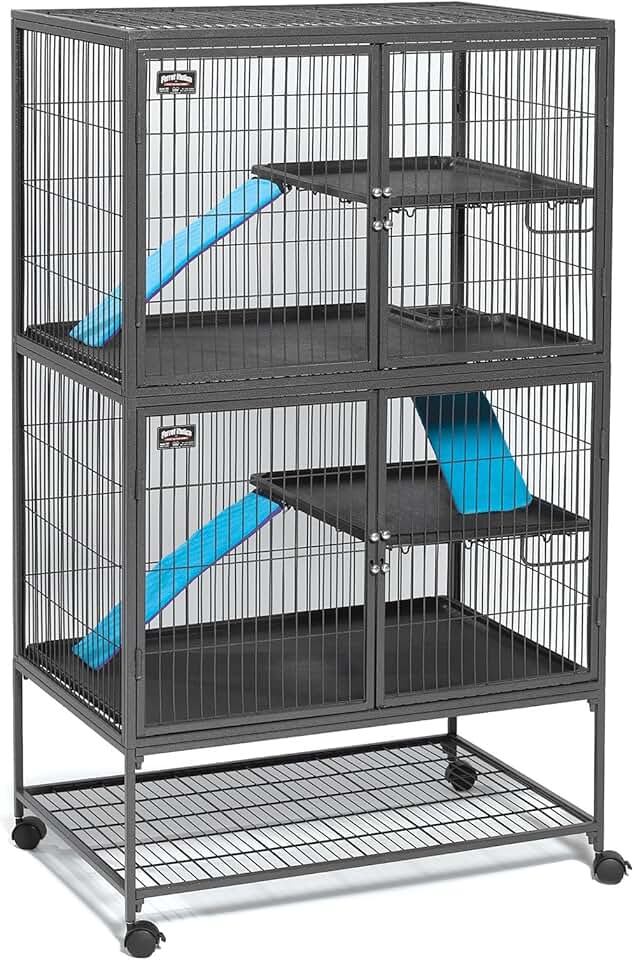
As an Amazon Associate, we may earn from qualifying purchases.
Comparing cage types
Different cage materials offer distinct advantages. Plastic cages retain heat well and are easy to wipe down, making them suitable for long-haired breeds that need a clean, dry surface. Glass aquariums provide excellent ventilation when topped with a secure wire lid, offering a dust-free environment that is gentle on sensitive coats. Wire cages offer maximum airflow and visibility, which is ideal for active dwarf hamsters, but require careful selection of bar spacing to prevent escapes.
| Cage Type | Ventilation | Cleaning Ease | Best For |
|---|---|---|---|
| Plastic | Moderate | Easy | Long-haired breeds |
| Glass | High (with lid) | Moderate | Long-haired breeds |
| Wire | Very High | Moderate | Dwarf hamsters |
When setting up the habitat, ensure the bottom is solid rather than wire to protect tiny feet. Proper ventilation is critical to prevent respiratory issues, especially in enclosed spaces. Regular cleaning and monitoring of bedding condition are essential for maintaining a healthy home for your hamster.
Choosing the right hamster food
Hamsters are natural foragers, but a diet of just seeds often leads to obesity and nutritional gaps. To support longevity and health, you need a species-appropriate mix that mimics their wild foraging behavior. The best commercial blends combine a base of small seeds and grains with dried vegetables, fruits, and occasionally insects for protein.
When selecting a food, look for brands that prioritize variety over uniformity. A healthy mix should look somewhat messy, with different colored pieces representing different nutrients. Avoid mixes that are mostly uniform yellow seeds, as hamsters will often pick out the tastiest parts and leave the rest, leading to an unbalanced diet.
For a reliable starting point, consider these recommended hamster food mixes that balance nutrition with foraging enrichment:

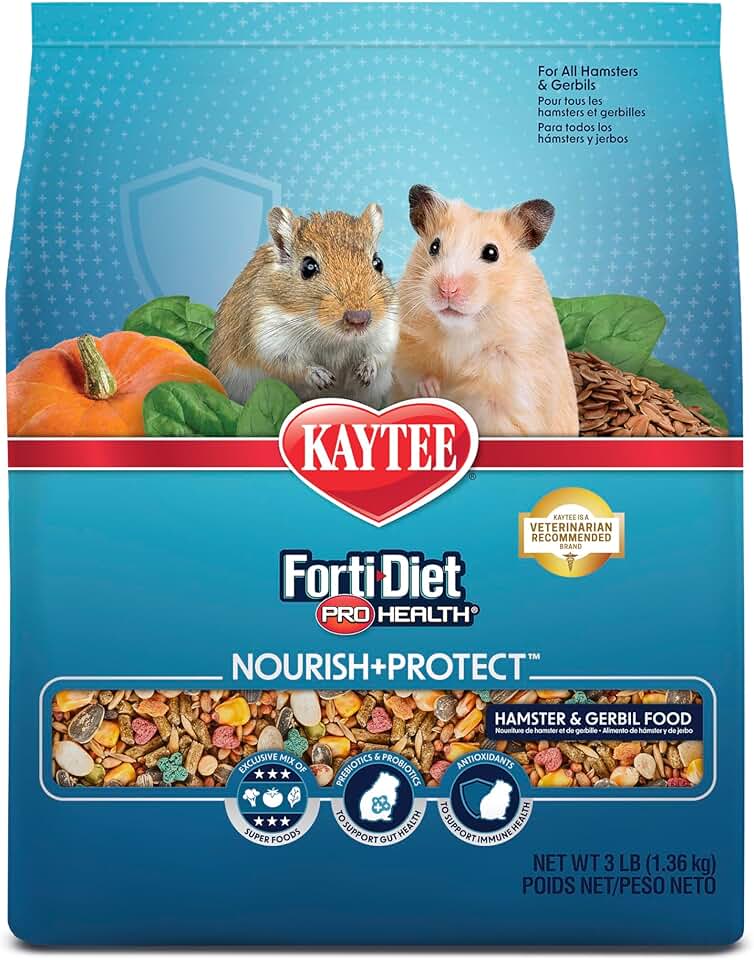

As an Amazon Associate, we may earn from qualifying purchases.
Supplementing commercial mixes with fresh foods like a small piece of apple or a leaf of spinach can add variety, but always introduce new foods slowly to avoid digestive upset. Fresh water should always be available in a sipper bottle, not a bowl, to keep it clean and prevent spills.
Understanding dwarf hamster lifespan
Dwarf hamsters typically live between 1.5 and 2.5 years, though some individuals may reach three years with exceptional care. This short window makes every day meaningful for owners. Unlike larger pets that accompany you for a decade or more, a dwarf hamster’s life is a rapid, vibrant burst of activity that requires focused attention from the start.
Your daily habits directly influence how long your hamster stays healthy. Diet plays a massive role; a balanced mix of high-quality pellets, limited seeds, and fresh vegetables prevents obesity and diabetes, which are common in captive dwarf breeds. Obesity can shorten their lifespan significantly by straining their small hearts and joints. Providing a spacious cage with deep bedding for burrowing also reduces stress, allowing their immune systems to function properly.
Regular vet check-ups are essential, even if your hamster seems fine. Hamsters are experts at hiding illness, a survival instinct from the wild. Early detection of issues like wet tail or dental problems can mean the difference between a few extra months and a full, healthy lifespan.
-
Provide daily fresh water and a balanced diet
-
Clean the cage weekly to prevent bacterial buildup
-
Monitor weight changes and eating habits weekly
-
Schedule an annual vet check with an exotic specialist
While you cannot extend their life indefinitely, you can ensure those 1.5 to 2.5 years are comfortable and active. Investing in proper housing and nutrition now pays off in a happier, longer-lived companion.
Common health questions for new owners
Hamsters are delicate creatures, and spotting illness early can mean the difference between a quick vet visit and a life-saving emergency. Because they hide symptoms until they are quite sick, new owners need to know exactly what to look for in the first few days and weeks. Below are the most common health concerns based on real owner questions and veterinary data.
No comments yet. Be the first to share your thoughts!